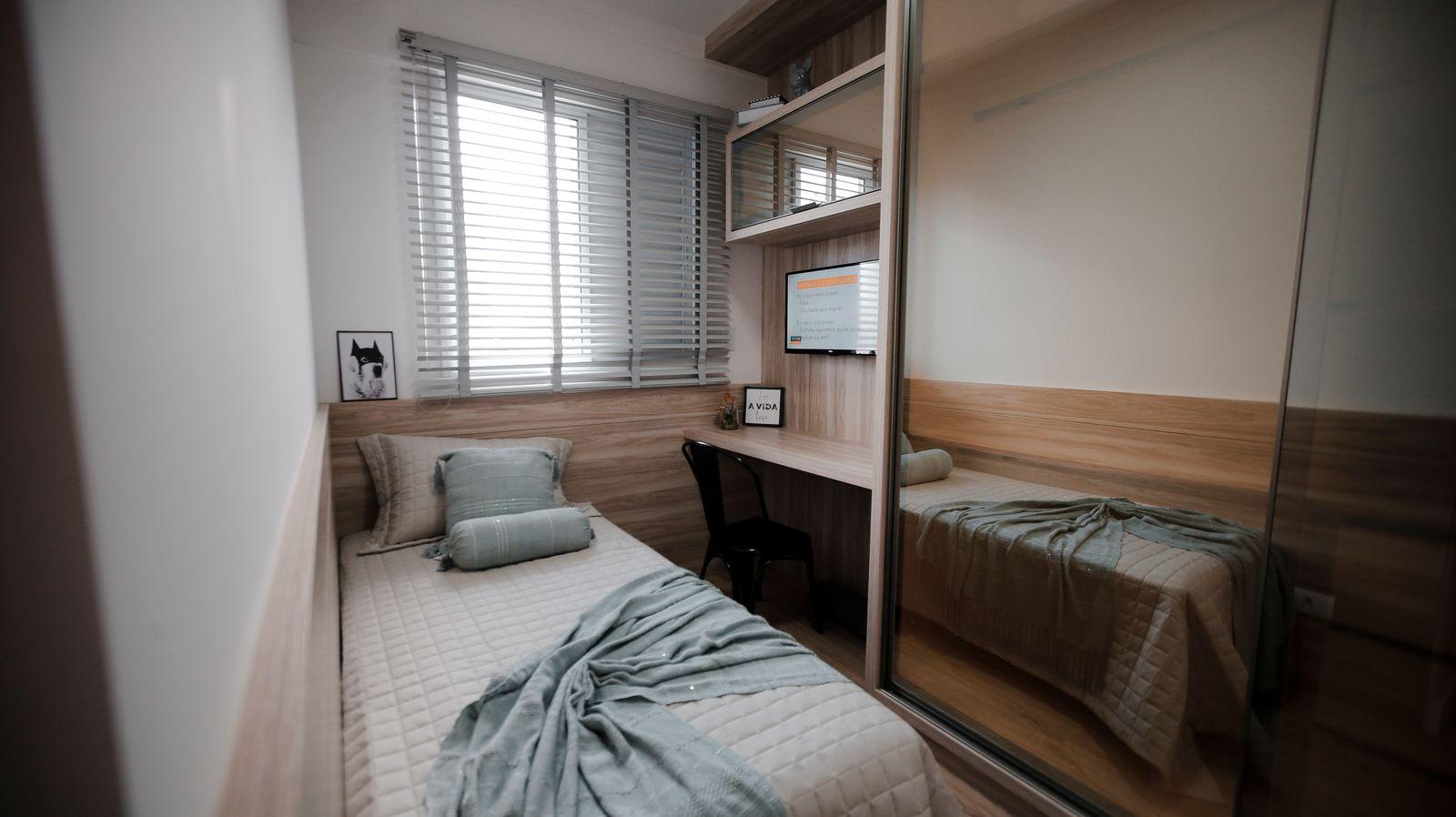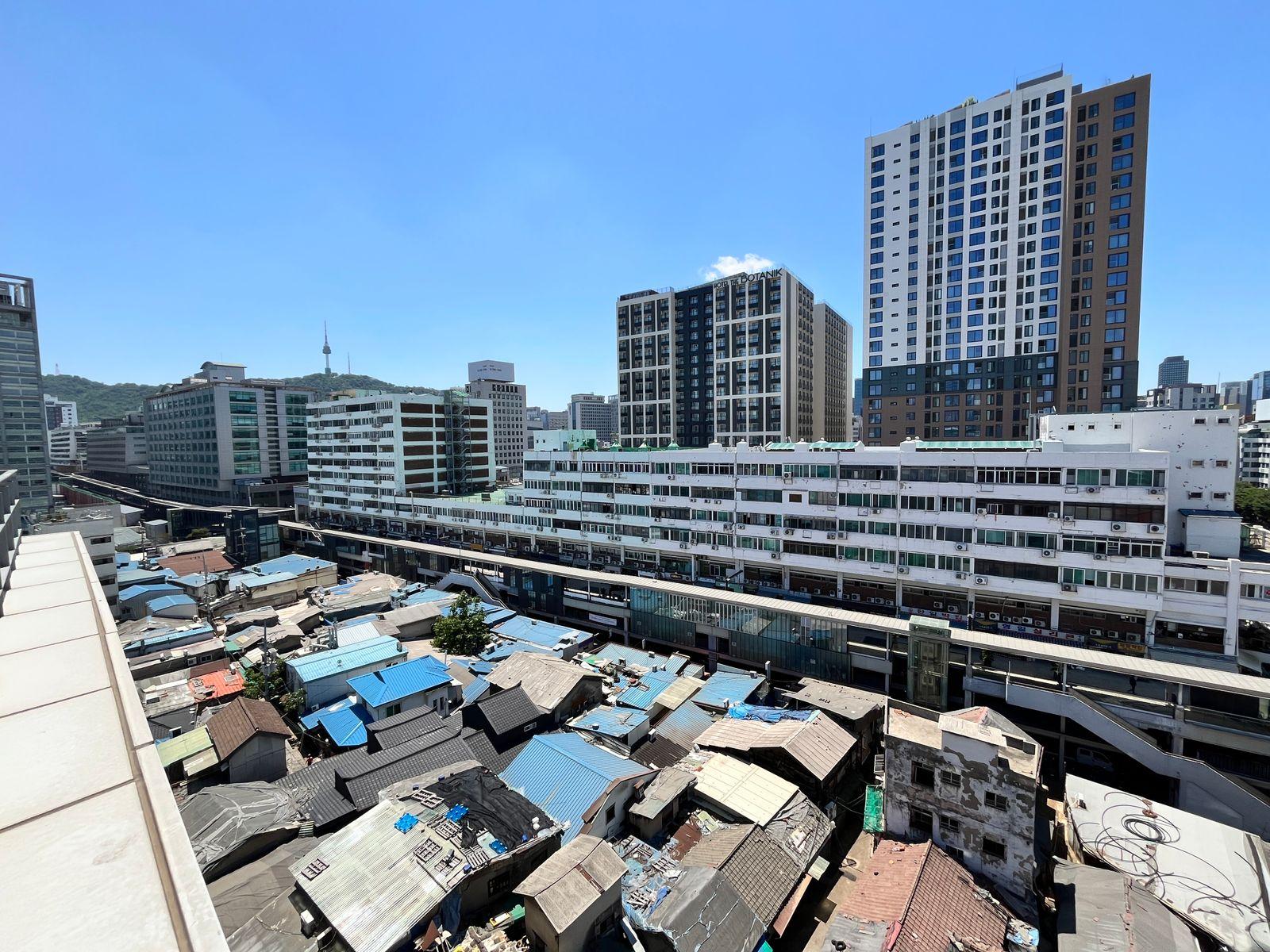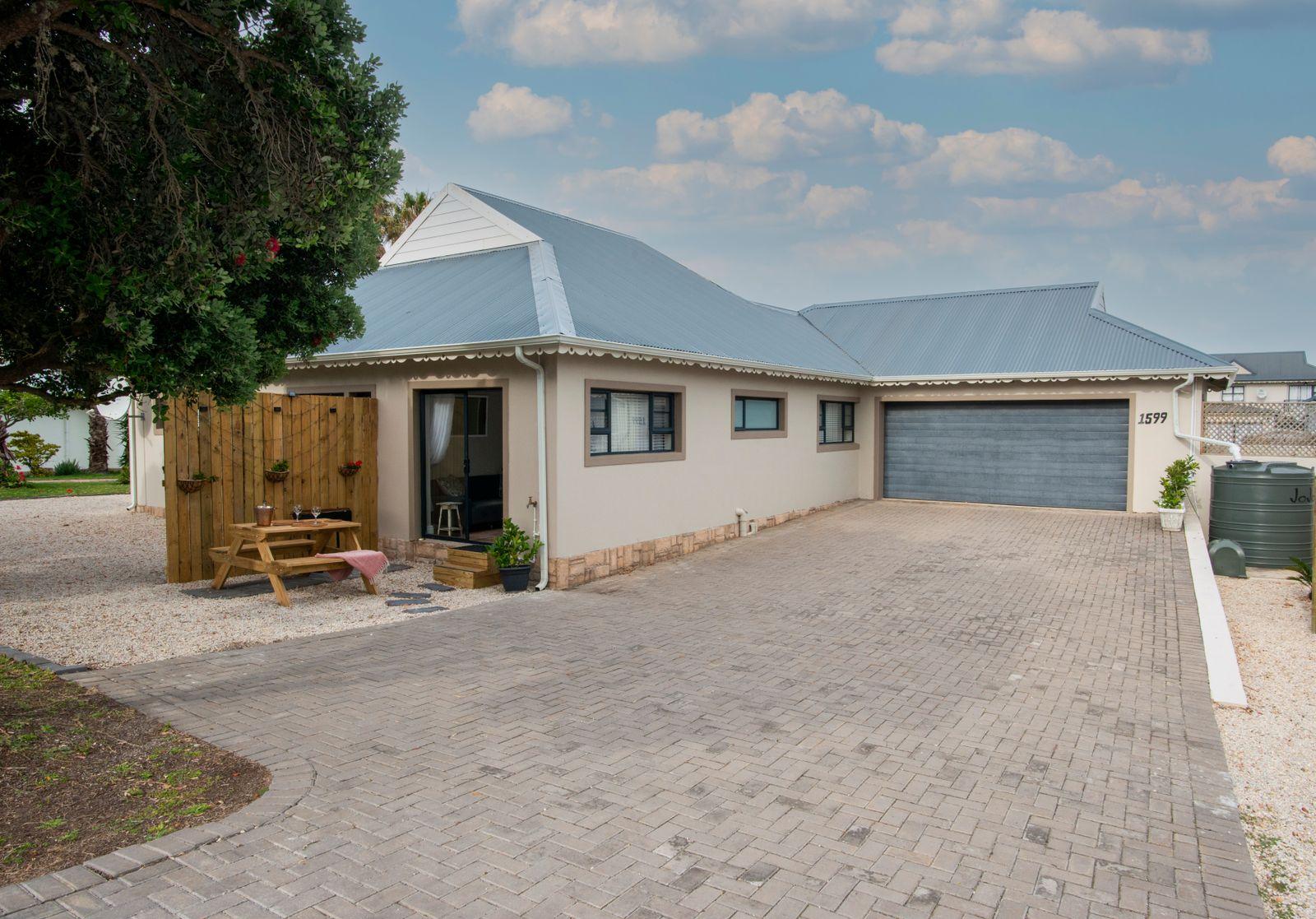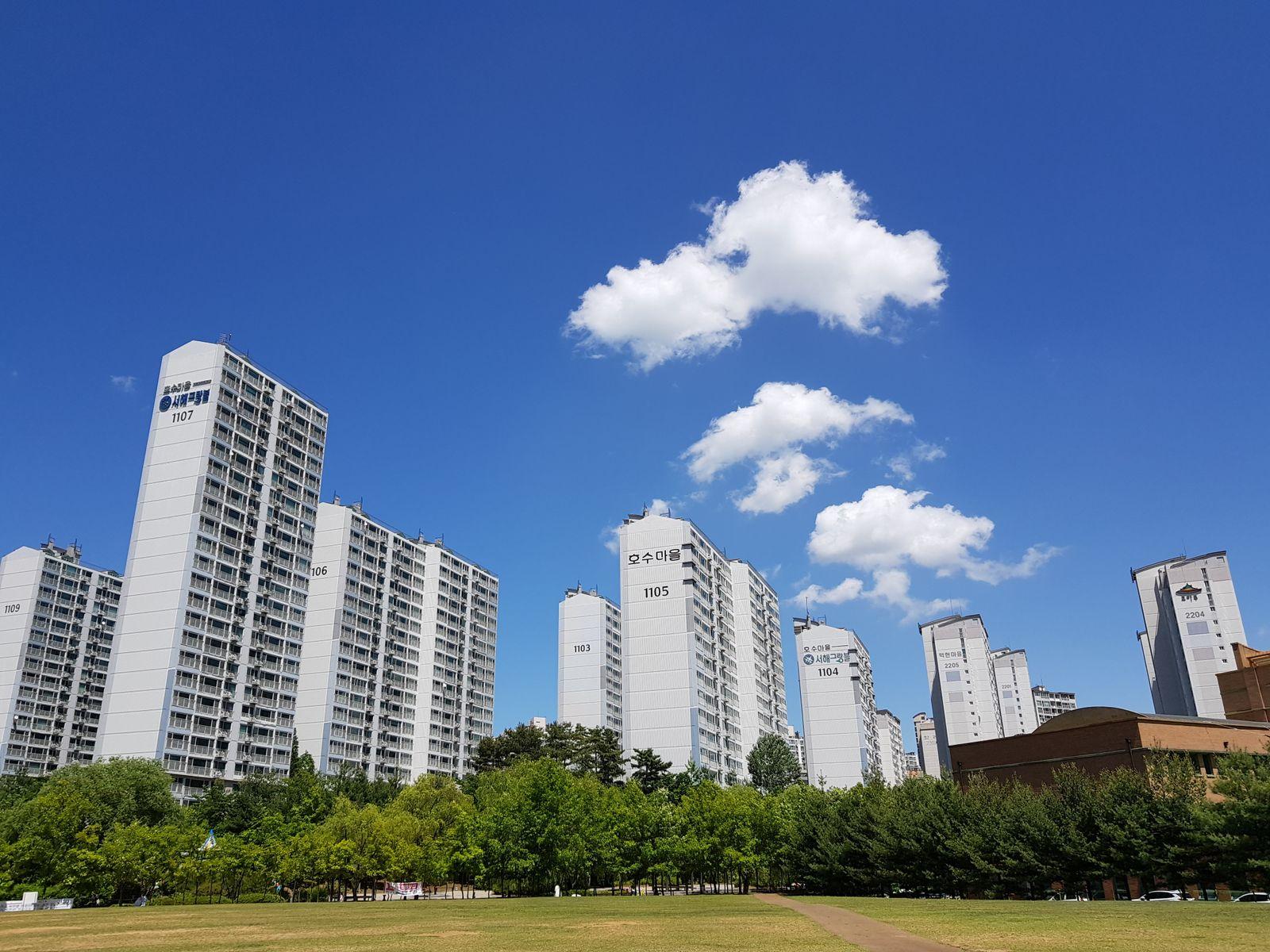
You found a studio, the rent looks fine, and then the agent mentions another number: gwanlibi (관리비), the monthly maintenance fee. For many newcomers, this is the line in the budget that keeps surprising them. Sometimes it's a small flat amount. Sometimes it's a long itemized bill that changes every month.
This guide explains how the maintenance fee in Korea works, what it typically pays for, what it usually doesn't, and how to read the bill. With that, you can compare homes honestly before you sign anything.
What Gwanlibi (관리비) Actually Is
Gwanlibi is what residents pay to run and maintain the building itself. That means the parts you share with everyone else. In some buildings, it also bundles part of your own utility use into the same bill. It is separate from your monthly rent, wolse (월세), and separate from your deposit, bojeunggeum (보증금).
The key thing to understand is that there's no single standard package that every building follows. Two places with the same rent can have very different maintenance fees. Two maintenance fees with the same number can cover completely different things. So the question is never just 'how much?' It's 'how much, and for what?'
💡 When you compare listings, add rent and maintenance fee together and treat that total as your real monthly housing cost. A cheaper rent with a heavier gwanlibi can easily end up costing you more.
What the Maintenance Fee Usually Covers
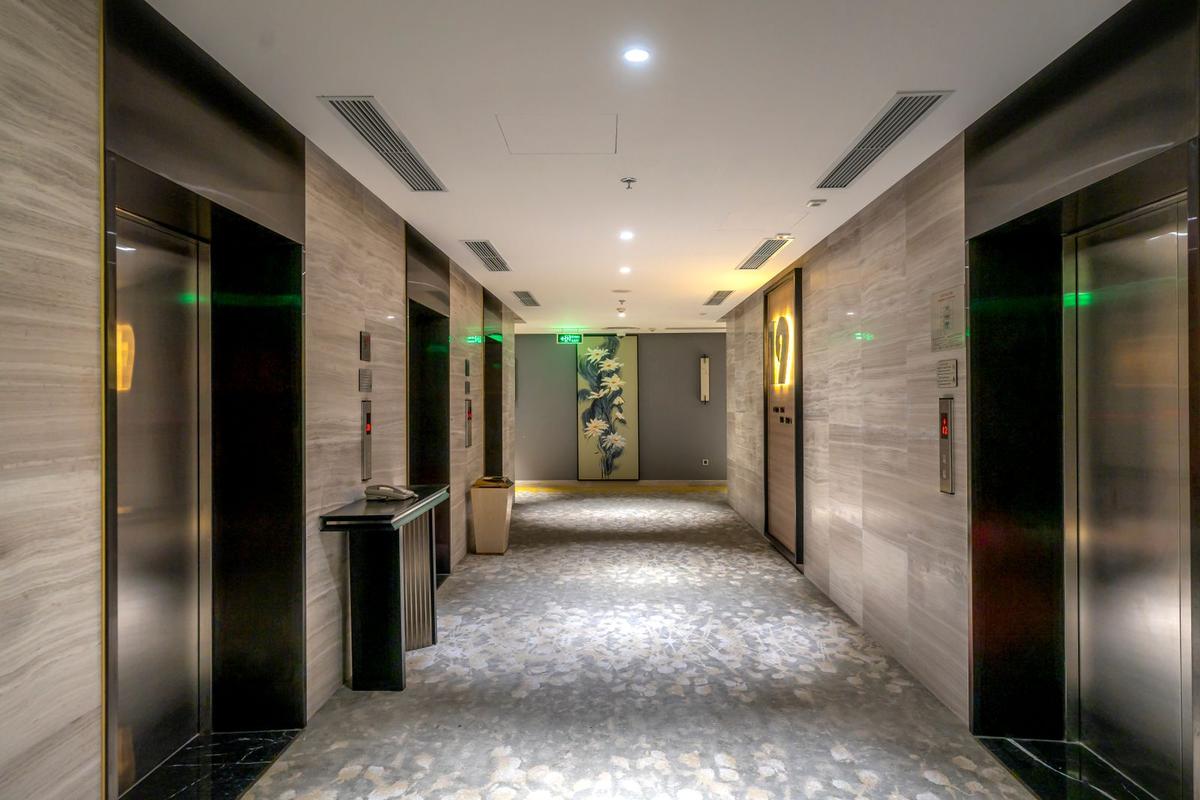
Most itemized bills split into two broad groups. The first group is shared costs, often labeled gongyong gwanlibi (공용관리비). Common items include:
In small buildings and many one-rooms, a flat fee may also quietly include water, basic internet, or cable TV. That's convenient, but only if you know it's there. Otherwise you might sign up for internet you already pay for.
A Note on the Long-Term Repair Reserve
In apartment complexes, the long-term repair reserve is generally treated as the owner's cost, even though tenants often pay it month by month through the bill. Because of this, many tenants ask the landlord to settle that amount when they move out. Whether this applies to your building, and how it's handled, depends on the building type and your contract. Ask your agent or the management office instead of assuming.
What It Usually Doesn't Cover
The second group on an itemized bill is your individual usage, often labeled gaebyeol sayongnyo (개별사용료). Depending on the building, these charges may appear on the gwanlibi bill or arrive as completely separate bills:
Heating deserves a special mention because it usually causes the biggest swing in winter. In buildings with central or district heating, it may show up on the maintenance bill. In many one-rooms and villas, it's on your separate gas bill. We cover heating costs in more detail on the Homes in Korea blog.
💡 Ask the agent one simple question: 'Which bills come to me separately?' In Korean: 따로 나오는 공과금이 뭐예요? (ttaro naoneun gonggwageumi mwoyeyo?). The answer often tells you more than the headline fee.
How Gwanlibi Differs by Building Type
Apartment Complexes (아파트)
Large apartment complexes, apateu (아파트), usually have a full management office and send a detailed bill every month. The total changes month to month because it reflects actual shared costs and your own usage. Many larger complexes also publish their fee data on K-apt (공동주택관리정보시스템), a government apartment management information site. There you can compare a complex's average fees with similar ones. Coverage depends on the complex, so check whether yours is listed.
Officetels (오피스텔)
Officetels, opiseutel (오피스텔), often have lobbies, several elevators, staff, and sometimes security. All of that is shared through the maintenance fee, so officetel fees can feel high compared with the unit size. Bills are often itemized. Check how heating and cooling are billed, because officetels vary a lot here.
One-Rooms and Villas (원룸, 빌라)
Smaller buildings, called wonrum (원룸) and billa (빌라), often use a fixed monthly amount set by the landlord, known as jeongaek gwanlibi (정액 관리비). It may include water, internet, and hallway cleaning, or almost nothing at all. There's usually no on-site management office, so the landlord is your main contact. Recent rule changes have pushed listings to show more detail about what these fixed fees include. Still, always ask for a breakdown yourself.
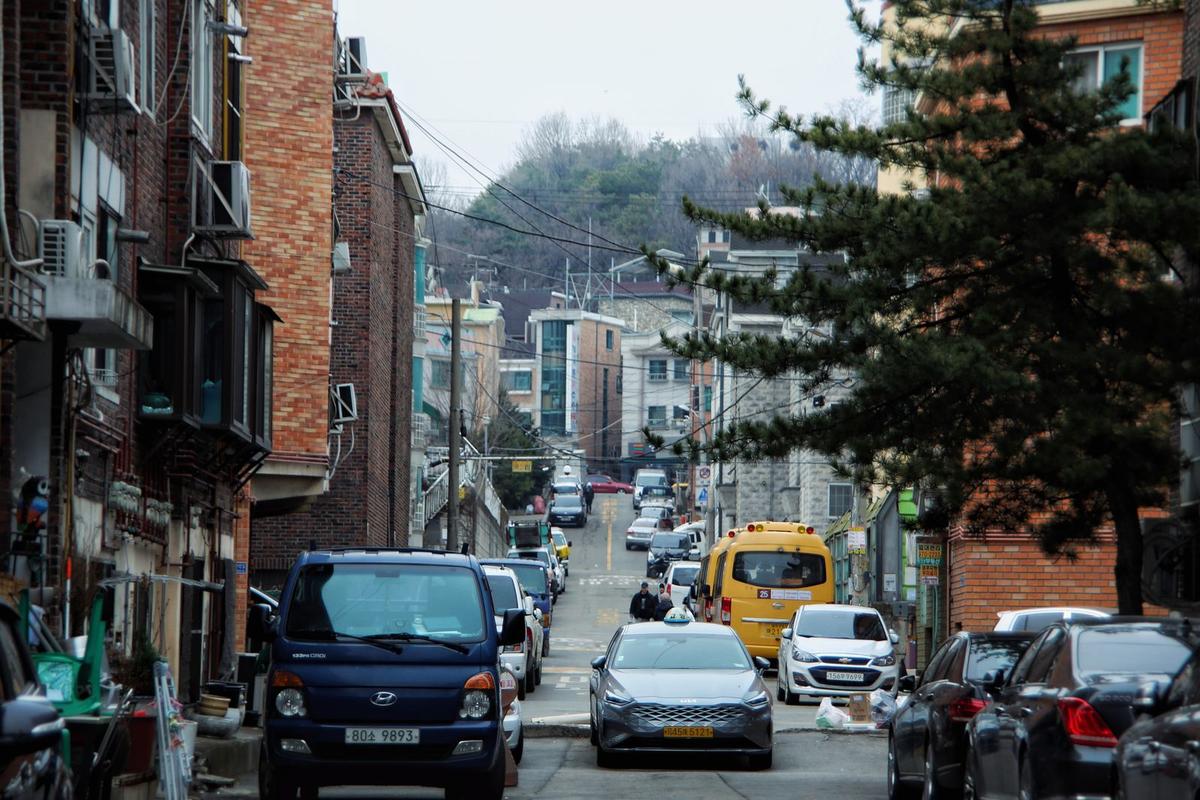
📍 If you're comparing buildings in one neighborhood, look at several listings side by side on the Homes in Korea map. Similar buildings on the same street often have similar fee structures, which makes outliers easy to spot.
Reading Your Monthly Gwanlibi Bill
The bill is called a gwanlibi gojiseo (관리비 고지서). It might be slipped under your door, left in your mailbox, sent by text message, or shown in an apartment app. It's almost entirely in Korean, but the layout is fairly consistent. Here's what to look for:

Payment is usually by bank transfer to that virtual account, or by setting up auto-debit, jadong iche (자동이체), from a Korean bank account. In some small buildings, the landlord simply collects the fixed fee along with rent. If that's your setup, make sure the amount and what it covers are written down somewhere, ideally in the contract.
💡 Point a camera translation app like Papago at the bill. It won't be perfect, but it's usually enough to tell water from elevator costs. Save a photo of each month's bill too. It's useful if a charge ever looks off or if you need records when you move out.
Questions to Ask Before You Sign
The best time to understand your maintenance fee is before the contract, not after the first bill. Bring these questions to your viewing:
Here's a hypothetical example to show why this matters. Say Studio A lists rent at ₩500,000 (about $360) plus a fixed ₩70,000 (about $50) fee that includes water and internet. Studio B lists ₩470,000 (about $335) plus ₩50,000 (about $36) that covers only shared areas. B looks cheaper at first. Once you add your own internet and water bills, the gap may shrink or disappear. These numbers are made up purely for illustration. Real fees vary widely by building and area, and the USD figures shift with the exchange rate.
💡 Get the answers in writing. A text message from the agent or landlord confirming what the fee covers is much better than a verbal promise you can't point to later.
Gwanlibi isn't complicated once you know the two halves: shared building costs and your own usage. Ask what's in it, check a real bill, and budget rent plus fees together. When you're ready to compare actual listings, Find a home on our map.
Follow @host_in_korea on Instagram for faster updates