You've just landed in Korea. Maybe your dorm doesn't open for a few weeks, your internship only runs four months, or you simply want to see a few neighborhoods before committing. Signing a one-year lease with a deposit that can run into millions of won doesn't make sense yet. This is where most budget-minded newcomers end up looking at two options: the goshiwon (고시원) and the share house (셰어하우스).
Both let you move in quickly, often with little or no deposit, and both are usually furnished. They feel very different to live in, though. This guide walks through what a goshiwon in Korea actually looks like, how share houses compare, what you'll realistically pay, and how to pick a place that's safe and livable while you find your feet.
What a Goshiwon Actually Is
The name comes from gosi (고시), Korea's notoriously tough state exams. Goshiwon were originally built for exam takers who needed a cheap, quiet place to sleep and study. Today they house students, young workers, people between jobs, and plenty of foreigners in their first weeks in the country.
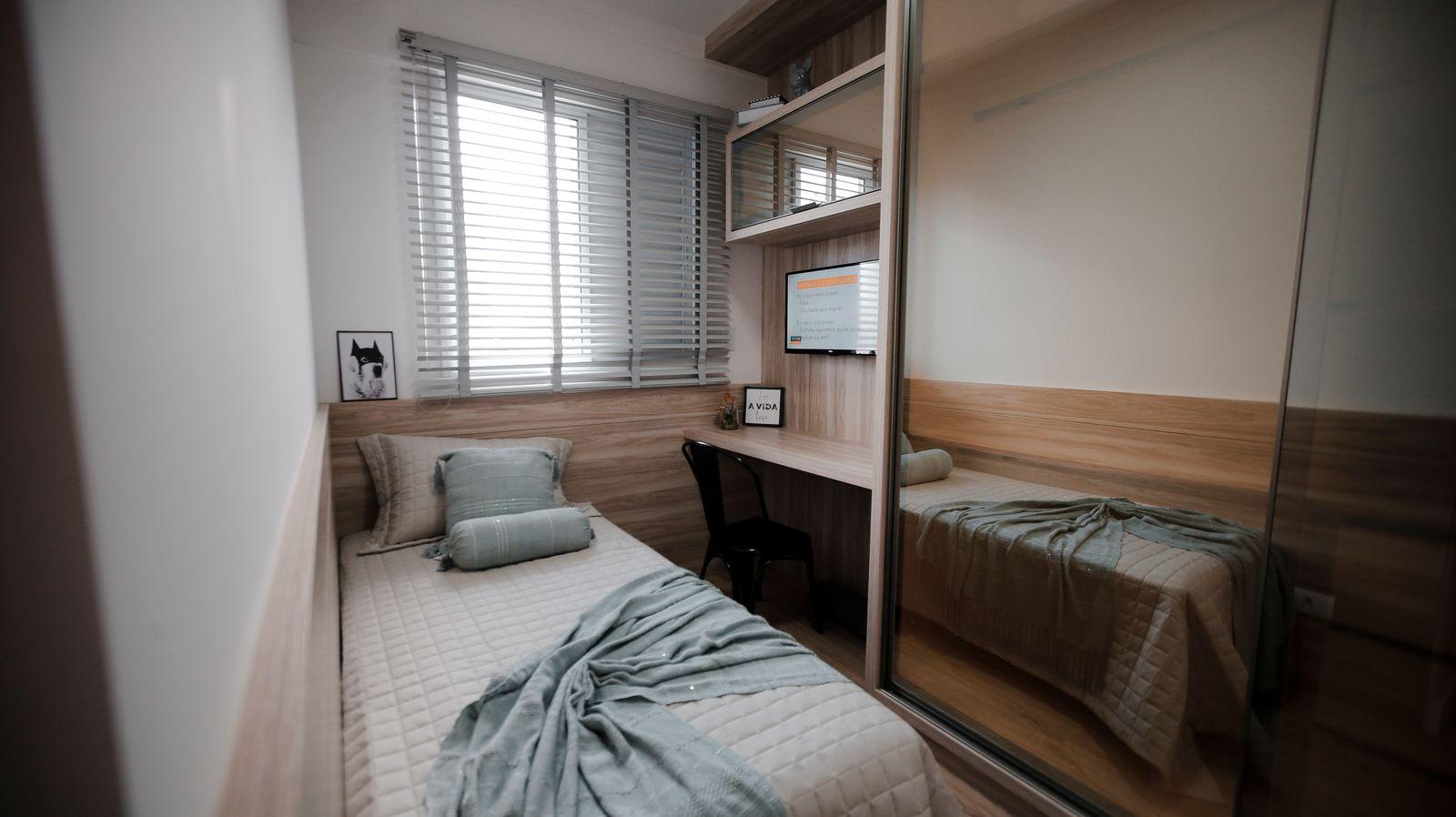
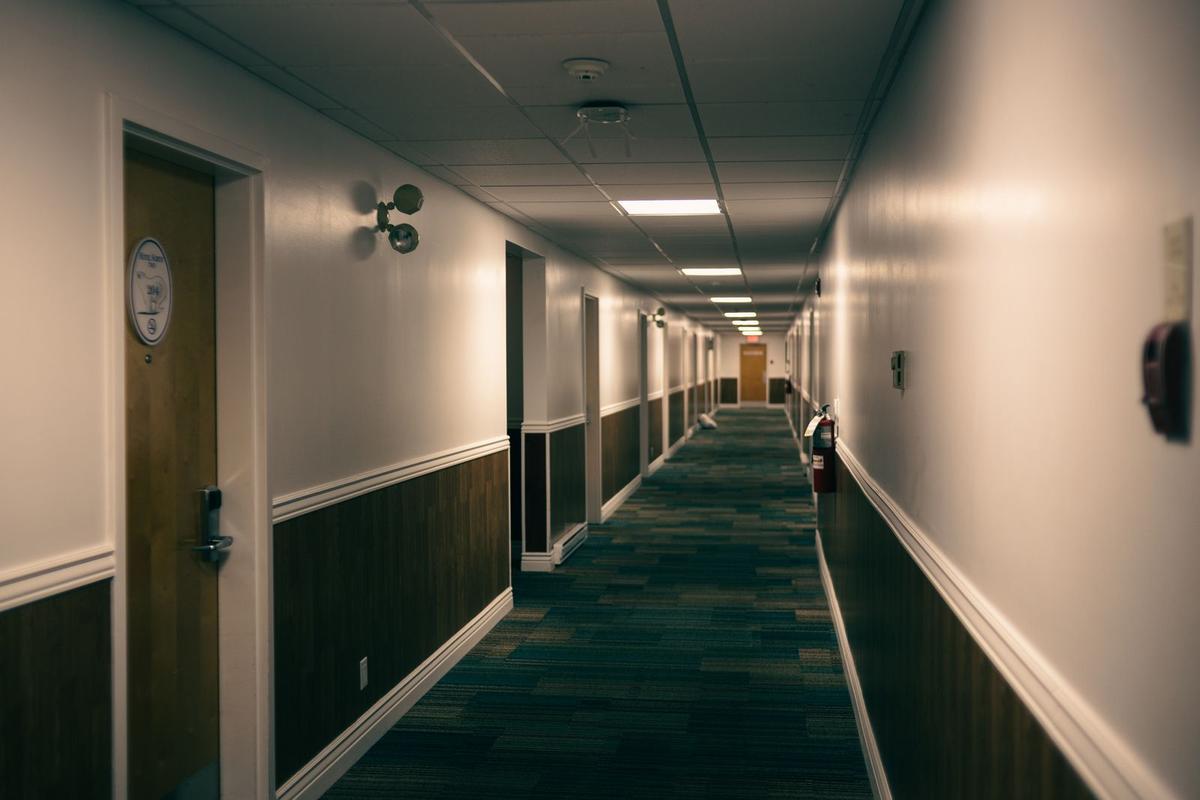
A typical room is small: a single bed, a desk, a little fridge, some shelves, and usually an air conditioner. Kitchens, and often bathrooms and showers, are shared. Many goshiwon put out free basics in the shared kitchen, such as rice, kimchi, and sometimes instant ramyeon. It's not a feast, but it helps when your budget is tight.
You'll see a few different names on signs and listings. They're used loosely, so always check what a specific place actually offers:
💡 Pay attention to the window. Listings often distinguish an outer window (외창), which faces outside, from an inner window (내창), which opens onto the hallway, or no window at all. Outer-window rooms cost more, but fresh air and daylight make a huge difference when the room is this small.
What a Share House Gives You Instead
A share house is a regular apartment or house split between several tenants. You get a private room (or a bed in a shared room), plus access to a living room, a full kitchen, bathrooms, and usually a washing machine. Some are run by companies that manage many houses, and others by individual landlords.
The main appeal is space and people. You'll have a real kitchen instead of a single shared stove, room to sit somewhere other than your bed, and housemates who can tell you where the good grocery store is. Many share houses near universities attract a mix of Korean and international residents, which can make settling in much less lonely.
The trade-offs: you'll live with house rules and cleaning rotations, your experience depends a lot on your housemates, and share houses more often ask for a deposit and a minimum stay. That minimum is commonly a month or longer, so check before you sign if your plans are short.
📍 You'll find both share houses and goshiwon clustered around university areas and busy commuter hubs, such as Sinchon, Hongdae, and the streets near major campuses. Those areas are convenient, but they can also be noisier and pricier than a neighborhood one or two subway stops away.

What They Cost and What's Included
Prices vary a lot by city, neighborhood, window type, bathroom, and season, so treat these as rough ballpark ranges you'll commonly see in Seoul listings, not guarantees. Always check current listings.
What's usually included is where these options shine compared with a regular rental. Most goshiwon bundle electricity, water, internet, and heating or cooling into the rent. Share houses often include internet and basic furniture, but utilities may be included, split between housemates, or charged as a flat fee. Ask exactly which one applies.
Watch for these extra costs before you commit:
How to Choose a Safe, Livable Room
Quality ranges from spotless and well-run to genuinely grim, often within the same block. If you possibly can, visit in person. If you're still abroad, ask for a live video walkthrough rather than relying on listing photos, which tend to be taken with wide-angle lenses and good lighting.
Safety deserves real attention. A deadly fire at a goshiwon in central Seoul in 2018 put the risks of older, crowded buildings in the spotlight. When you visit, check for the following:
Questions to Ask the Manager
Contracts, Deposits, and Your ARC Address
Goshiwon contracts are usually simple: you pay a month in advance, often on the same date each month, and give notice when you plan to leave. Even if the manager is relaxed about it, ask for something in writing that shows the room number, the monthly rent, the move-in date, and any deposit. Keep transfer records from your banking app.
Share house contracts tend to be more detailed. Read the minimum stay, the deposit return conditions, the early termination rules, and what counts as damage. If any of that is only in Korean, run it through a translation app and ask the manager to confirm the key points by message so you have a record.
The detail newcomers most often overlook is the address for your Alien Registration Card (외국인등록증), also called the Residence Card. When you apply, immigration asks for proof of where you live. Many goshiwon and share houses can provide a document confirming your residence, but requirements can differ by immigration office and by visa type, and not every operator is willing. Ask before you pay, and check your local immigration office's current document list.
Your registered address also matters for opening a bank account and setting up a phone plan. We cover both in detail on the Homes in Korea blog, so it's worth reading those guides alongside this one.
When to Move On to a Real Rental
For most people, a goshiwon or share house works best as a bridge rather than a long-term home. A common pattern looks like this: spend your first one to three months somewhere cheap and flexible, get your residence card and bank account sorted, learn which neighborhoods you actually like, and then sign a proper lease for a one-room or officetel.
Signs you're ready to move on include a stable income or scholarship, plans to stay at least a year, and a clear sense of your daily commute. If you'd rather stay social, a good share house can be a perfectly comfortable home for a full year too. There's no rule that you have to upgrade.
💡 While you're living short-term, use the time to browse. Compare neighborhoods and price ranges on the Homes in Korea map so you know what a fair deal looks like by the time you're ready to sign a longer lease.
Starting small is a smart move, not a compromise. When you're ready for something more permanent, Find a home on Homes in Korea and make your next move with confidence.
Follow @host_in_korea on Instagram for faster updates