The first time you scroll through Korean rental listings, the prices can look like a code. You will see things like “1000/60” or “전세 2억” next to a tiny studio photo, and someone in a group chat will tell you to “budget for key money.” None of it is complicated once you know the system, but the system is genuinely different from renting in most other countries.
This guide breaks down jeonse vs wolse, the in-between option called ban-jeonse, what “key money” really means, and the practical steps that protect your deposit. It is written for students, interns, and expats who want to understand the money before they sign anything.
What “Key Money” Actually Means in Korea
In expat conversations, “key money” almost always means the security deposit, bojeunggeum (보증금). This is a lump sum you hand to the landlord at move-in and get back when you move out, minus any agreed deductions such as unpaid bills or damage beyond normal wear. It is not a fee. It is your money, held by the landlord for the length of the lease.
Korean does have a separate term that translates more literally as key money: gwolligeum (권리금). This is a premium paid to a previous tenant for a commercial space, like a café or shop, and it is generally not refundable. You should not normally run into gwolligeum when renting a room, studio, or apartment to live in.
💡 If anyone asks you for non-refundable “key money” on a residential rental, stop and ask exactly what the payment is, who receives it, and whether it appears in the written contract. A legitimate residential deposit is refundable and written into the lease.
How to read a Korean listing
Korean listings usually show prices in units of man-won (만원), which is ₩10,000. So a listing that says “1000/60” means a deposit of 1,000 man-won and monthly rent of 60 man-won:
Large amounts are often written with eok (억), which is ₩100,000,000. “전세 2억” means a jeonse deposit of ₩200,000,000 (about $145,000).
Wolse (월세): Deposit Plus Monthly Rent
Wolse is the arrangement most foreigners end up with, and it is the closest to renting elsewhere. You pay a deposit up front and then monthly rent for the length of the contract. The deposit is smaller than with jeonse, but in Korea it is still usually much larger than the one or two months of rent you might expect back home.
Many small studios (one-rooms, 원룸) and officetels (오피스텔) near universities and business districts are offered as wolse, so if you are here for a semester, an internship, or a first-year contract, this is where your search will probably start.
Jeonse (전세): One Big Deposit, No Monthly Rent
Jeonse is the uniquely Korean option. Instead of paying monthly rent, you give the landlord a very large deposit, often a substantial share of the property's value, and live there without monthly rent. At the end of the contract, the landlord returns the full deposit. You still pay your own maintenance fees and utilities.
Why would a landlord agree to this? Traditionally, landlords use the deposit as low-cost capital, for example to invest, pay down a loan, or fund another property, and they benefit from that money instead of collecting rent. That is also where the risk comes from: your deposit is only as safe as the landlord's ability to pay it back.
Why jeonse is harder for foreigners
None of this means jeonse is off-limits. Long-term residents with stable income and solid paperwork do use it. It simply means jeonse needs more homework, not less.
Ban-Jeonse (반전세) and the Deposit–Rent Trade-Off
Between the two sits ban-jeonse, literally “half jeonse”: a larger-than-usual deposit with lower monthly rent. In practice, many Korean rentals sit on a sliding scale where you can trade more deposit for less rent, or the other way around.
Here is a purely hypothetical example to show how it works. The same studio might be offered as:
These numbers are illustrative only, not market prices. The real ratio depends on the landlord, the area, and interest rates at the time. Korea also has a legal cap on the conversion rate between deposit and rent (전월세 전환율) in certain situations, and the figure changes with interest rates, so check the current rule or ask your agent if you are negotiating a conversion.
💡 A bigger deposit lowers your rent, but it also puts more money at risk. Before choosing Option C over Option A, ask yourself whether the monthly saving is worth having that much more cash tied up with one landlord.
How to Protect Your Deposit Before and After You Sign
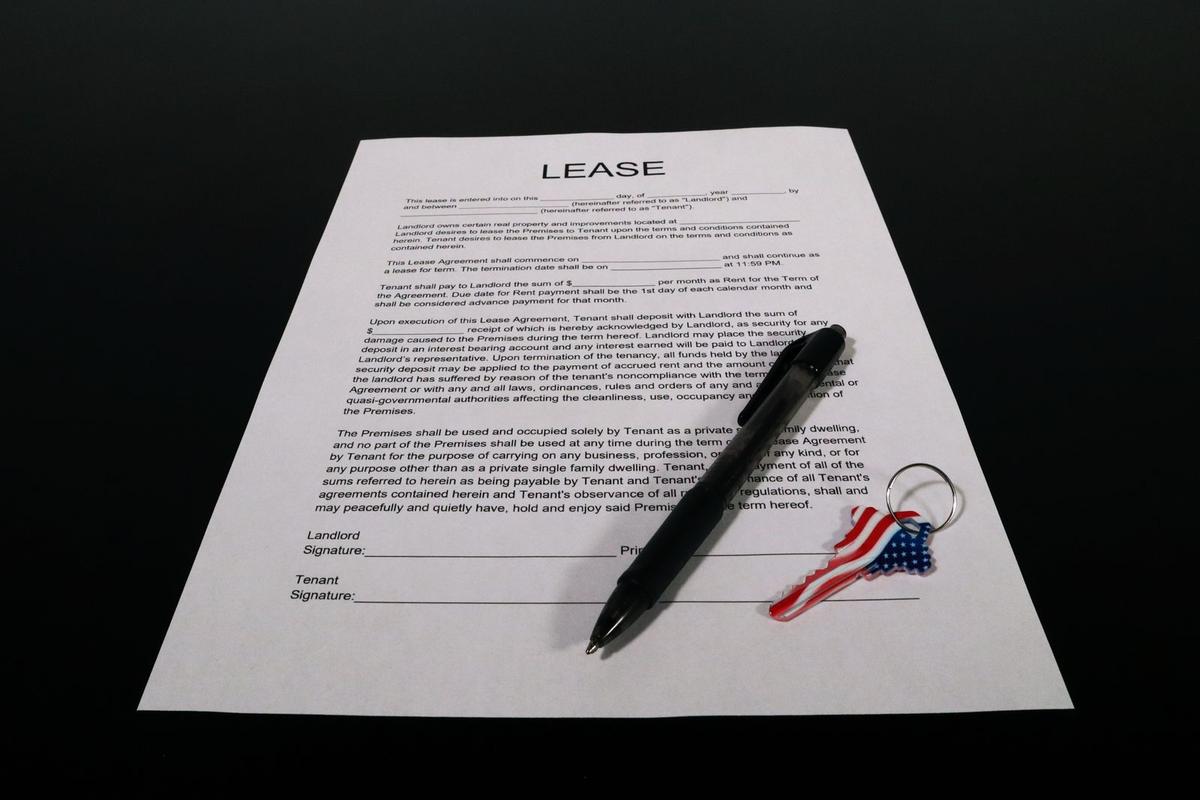
Whether you choose jeonse or wolse, these steps are worth doing every single time. They take a little effort and they are the main tools Korean renters use to protect their money.
📍 Your local community center (주민센터) is the place for the fixed date stamp and address-related paperwork. Bring your residence card, passport, and the signed lease, and expect to wait a little during busy hours.
Getting your money back at the end is its own process. We cover inspections, deductions, and timing in our move-out guide on the Homes in Korea blog.
Jeonse vs Wolse: Which One Should You Choose?
There is no universally right answer, but your situation usually points clearly in one direction.
💡 Compare total cost, not just rent. Add up monthly rent, the maintenance fee, estimated utilities, the agent fee, and what your deposit could otherwise earn sitting in a savings account. Two listings with very different headline numbers sometimes end up surprisingly close.
When you start comparing real listings, it helps to see deposit and rent side by side by neighborhood. You can browse homes and filter by area on the Homes in Korea map to get a feel for what each arrangement looks like in practice.
Quick Questions to Ask Before You Sign
Once the numbers make sense, renting in Korea gets a lot less intimidating. Know your deposit, check the paperwork, and you will walk into that agent's office with confidence. Ready to start looking? Find a home that fits your budget and your timeline.
Follow @host_in_korea on Instagram for faster updates