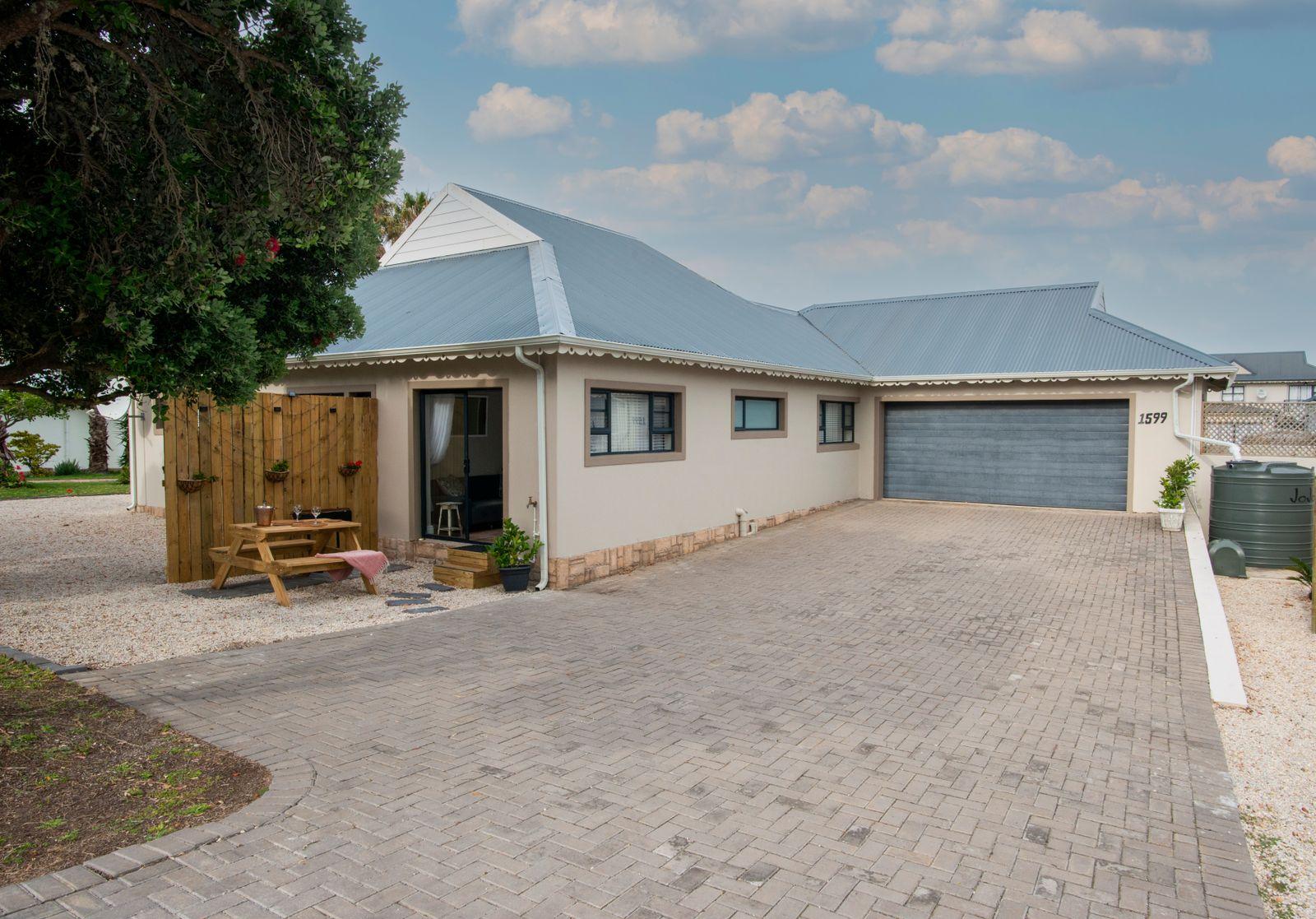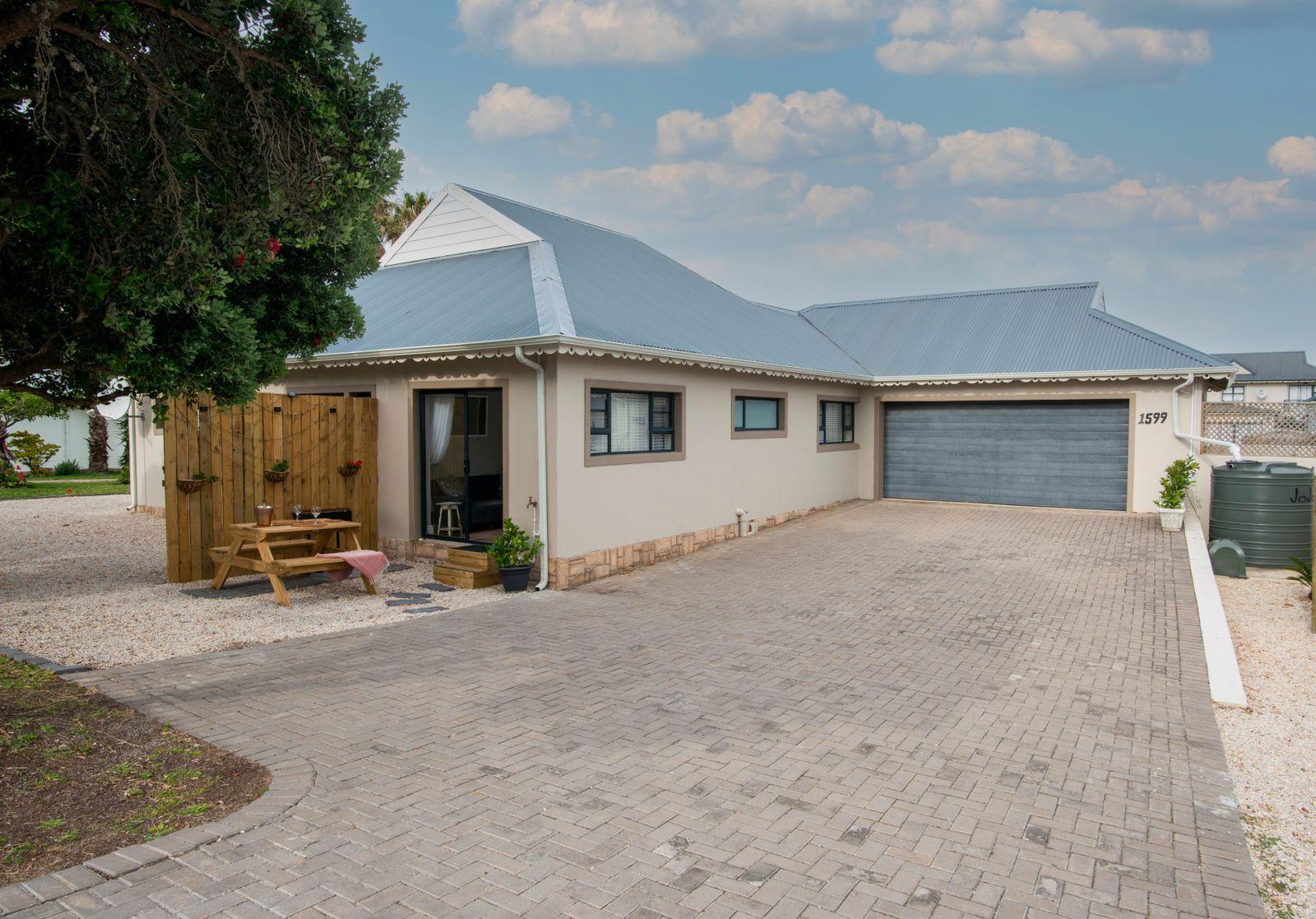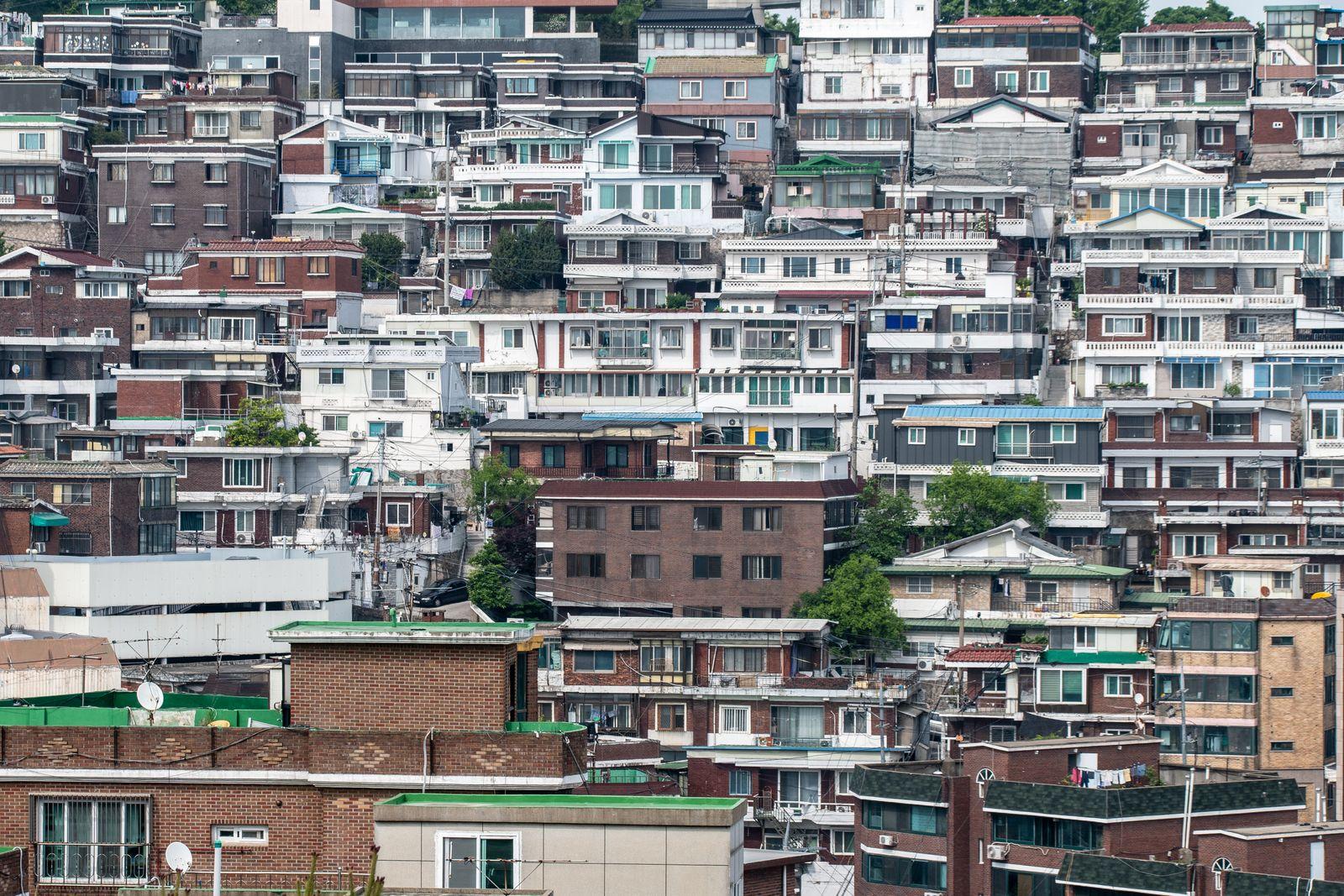
The first time you scroll through Korean rental listings, three words keep coming up: officetel, one-room, and villa. They look familiar, but they don't mean what they mean back home. A villa isn't a mansion, an officetel isn't an office, and a one-room might sit inside a villa.
This guide isn't about the search process itself. We cover that, plus lease clauses and move-in tips, on the Homes in Korea blog. Here we focus on one question: which type of building should you actually live in? We'll walk through officetel vs one-room vs villa honestly, including what each one costs you beyond the rent.
Three words you'll see on every listing
💡 Because one-room is a layout and villa is a building type, the categories overlap. When something is unclear, ask the broker what type of building the unit is registered as. That answer affects your address registration and how your deposit is protected.
Officetel: convenience with a monthly price tag
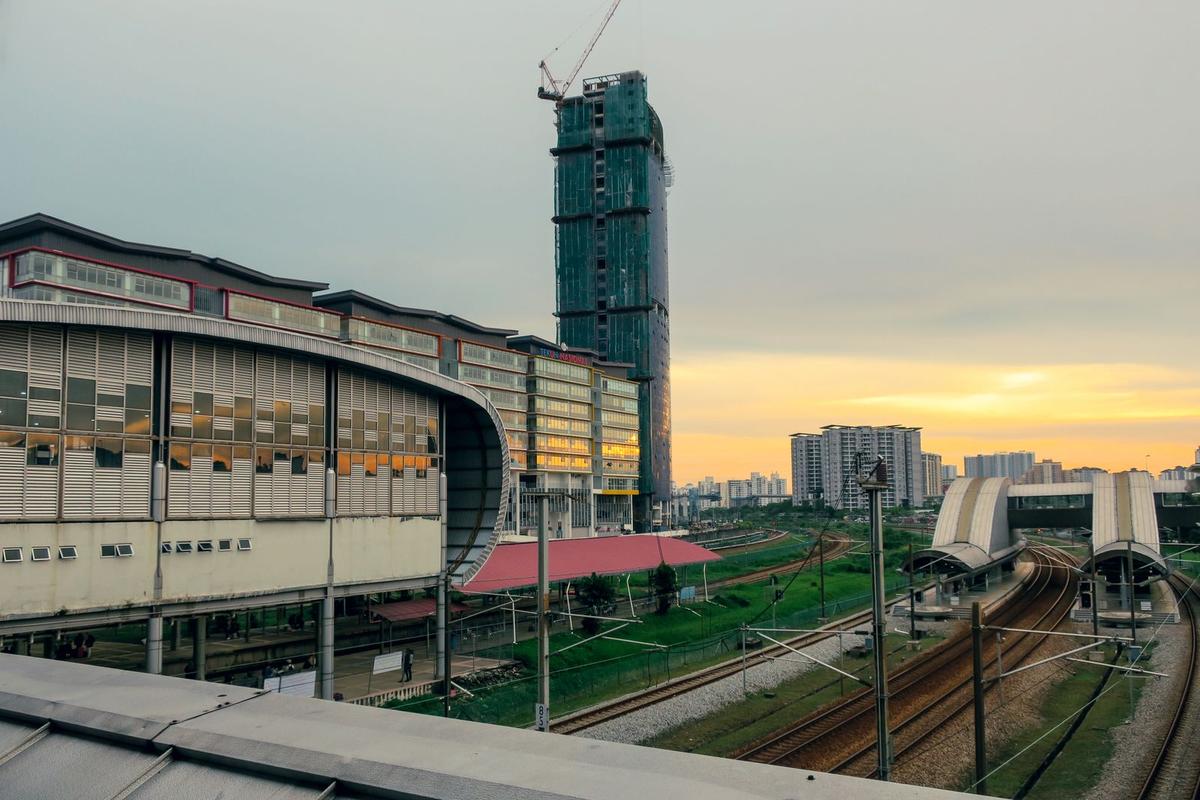
Officetels are the default choice for many interns and young professionals, and the reasons are easy to see.
The trade-offs are real, though:
📍 Officetels cluster around major subway stations and business districts. On the map, look within a few blocks of the station you'll use every day, then compare one or two stops further out.
One-room: the classic student studio
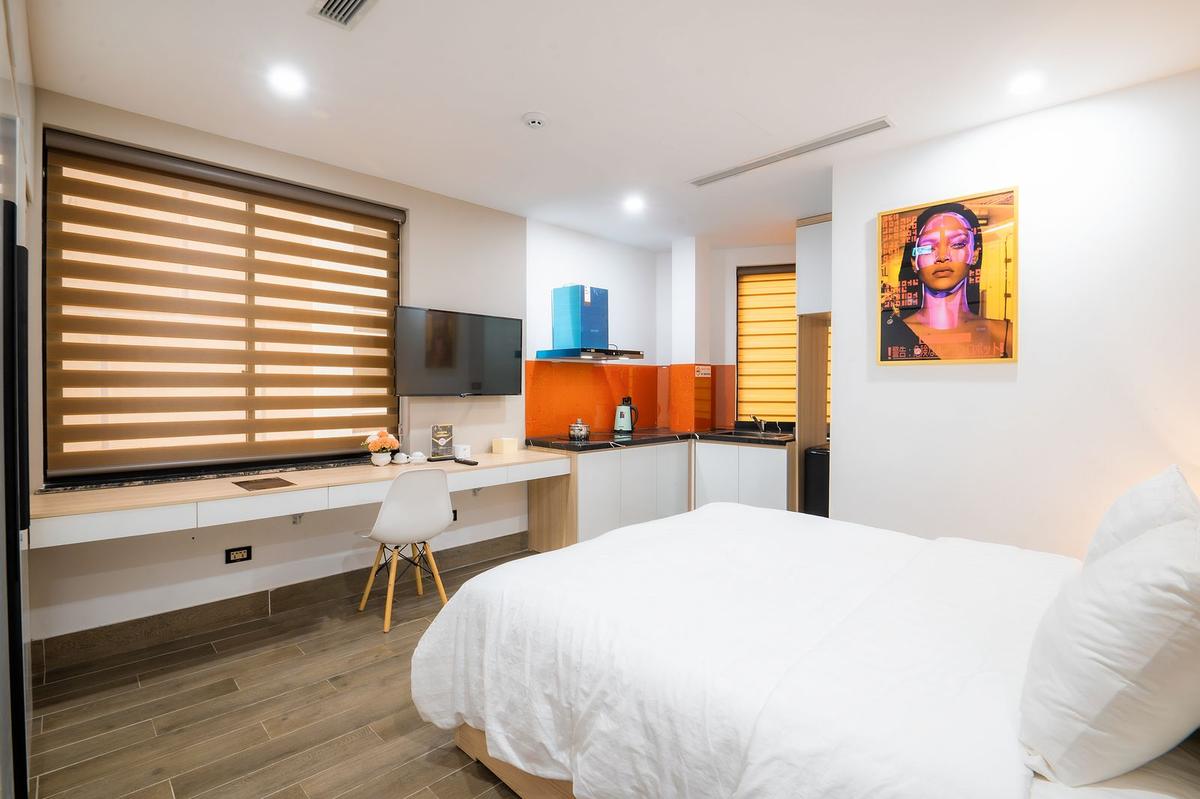
Walk through any university neighborhood and you'll see rows of four- or five-story buildings full of one-rooms. They're the budget workhorse of Korean housing.
What to watch out for:
Villa: more space, more homework
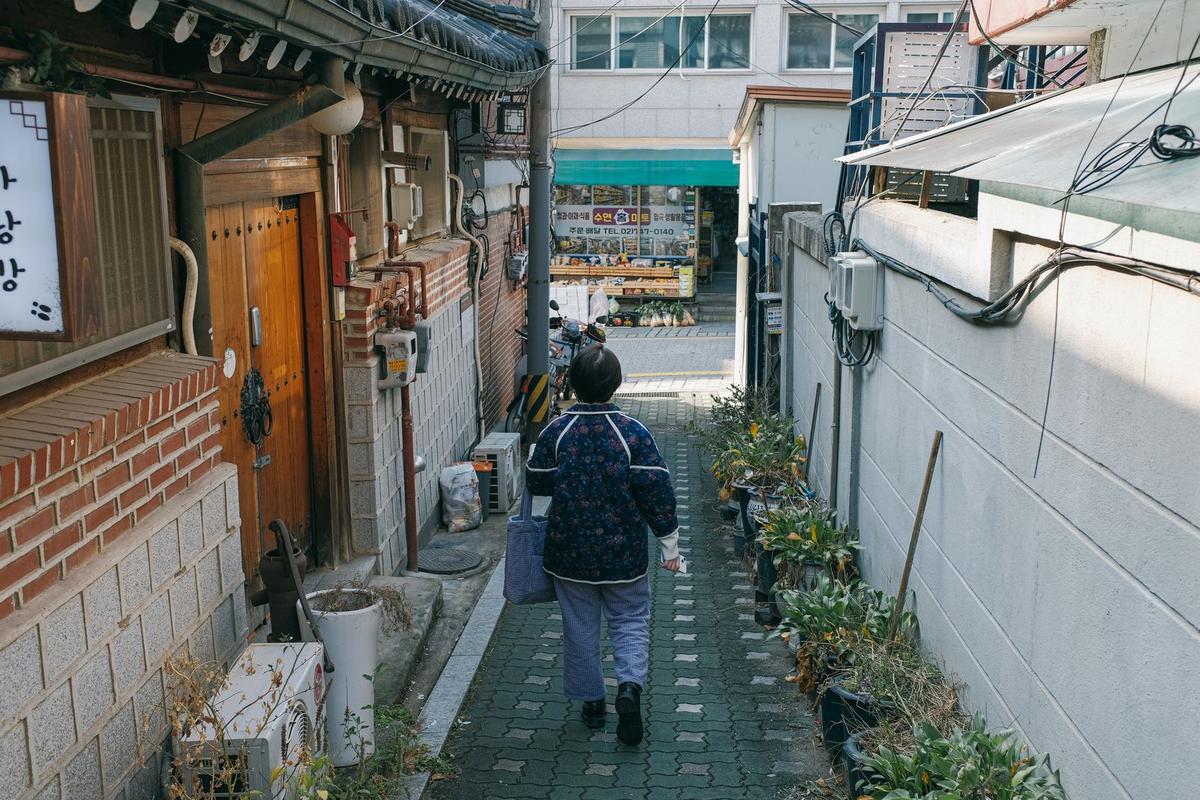
If you're living with a partner or roommates, or you just want a bedroom separate from your kitchen, villas are where the space is. They tend to sit on quieter residential streets, and you often get more square meters for the money than in an officetel.
The homework part: villas are often older, may not have an elevator or parking, and maintenance depends on an individual landlord rather than a management office. Villa prices can also be harder to verify than apartment prices. In recent years Korea has seen widely reported jeonse (전세) fraud cases, and many involved villas. If you're paying a large deposit, check the property registry (deunggibu deungbon, 등기부등본) and look into whether jeonse deposit insurance (전세보증보험) is available for that unit. Eligibility rules change, so confirm the current conditions.
Compare the real monthly cost, not just the rent
The cheapest-looking listing isn't always the cheapest home. Add up rent, the management fee, and the utilities you pay separately. Here's a hypothetical example (not real quotes) to show how the math works:
Once winter heating bills arrive, that gap can shrink or grow, depending on how each building is heated and insulated. So for every listing, ask: what does the management fee include, how is the unit heated, and roughly what did the last tenant pay in winter? Also compare deposits (bojeunggeum, 보증금). A lower monthly rent often comes with a higher deposit.
Which one fits your situation?
What to check at a viewing, by building type
Officetel
One-room
Villa
💡 Visit once in daylight and once in the evening if you can. Street noise, lighting on the walk home, and how busy the entrance gets all change after dark.
Ready to compare officetels, one-rooms, and villas in the neighborhoods you're considering? Find a home on the Homes in Korea map and line them up side by side.
Follow @host_in_korea on Instagram for faster updates