Getting sick in a new country is stressful, and most of that comes from not knowing the system. The good news: once you know the steps, it's easy to see a doctor in Korea. Small clinics take walk-ins, waits are usually short, and visits are affordable if you're on national health insurance. What trips people up is knowing where to go and what happens at each step.
This guide walks you through a typical first visit, from picking the right clinic to reading the instructions on your medicine packet. Cold and flu season is close, so it's worth reading this before you actually need it.
Step 1: Pick the right kind of clinic
Korea doesn't really have a "see your GP first" system. Most people go straight to a small specialist clinic in their neighborhood. These are called uiwon (의원), and you'll find them stacked on the upper floors of buildings near almost every subway station.
Here's how the levels work:
- Uiwon (의원), the neighborhood clinic: Your first stop for most everyday problems. Walk-ins are normal and it's the cheapest option.
- Byeongwon (병원), the hospital: Bigger, with more departments and sometimes inpatient beds. Useful for X-rays, scans, or minor procedures.
- General and university hospitals (종합병원 / 상급종합병원): For serious or complicated conditions. At the largest tertiary hospitals you generally need a referral letter, jinryo uiroeseo (진료의뢰서), from a clinic first. Without one, insurance covers much less.
The sign outside tells you the specialty. These are the ones you'll actually use:
- Naegwa (내과), internal medicine: Colds, fever, stomach bugs, general health worries. If you're not sure where to go, start here.
- Ibiinhugwa (이비인후과), ENT: Sore throats, blocked sinuses, ear pain. These get very busy in winter.
- Gajeong-uihakgwa (가정의학과), family medicine: The closest thing Korea has to a general practitioner.
- Jeonghyeong-oegwa (정형외과), orthopedics: Sprains, back pain, sports injuries.
- Pibugwa (피부과), dermatology: Rashes, acne, skin allergies.
- Sanbuingwa (산부인과) and chigwa (치과): OB/GYN and dentist.
💡 Search the specialty in Hangul (for example, 내과) on Naver Map or Kakao Map. You'll see opening hours, reviews, and often whether the clinic is open right now. Check the hours carefully, though. Many clinics close for about an hour at lunchtime, and most open on Saturday mornings but close on Sundays.
Step 2: What to bring and how check-in works
- Your ID: Bring your residence card (외국인등록증) or passport. Clinics check photo ID to confirm your health insurance, so don't leave it at home.
- Insurance details: If you're enrolled in National Health Insurance (국민건강보험), your registration number is usually enough. You don't need a separate card.
- Your medications and allergies: A short list in English, ideally with generic drug names, saves a lot of back-and-forth.
- A payment card: You pay at reception after seeing the doctor, and most clinics take cards.
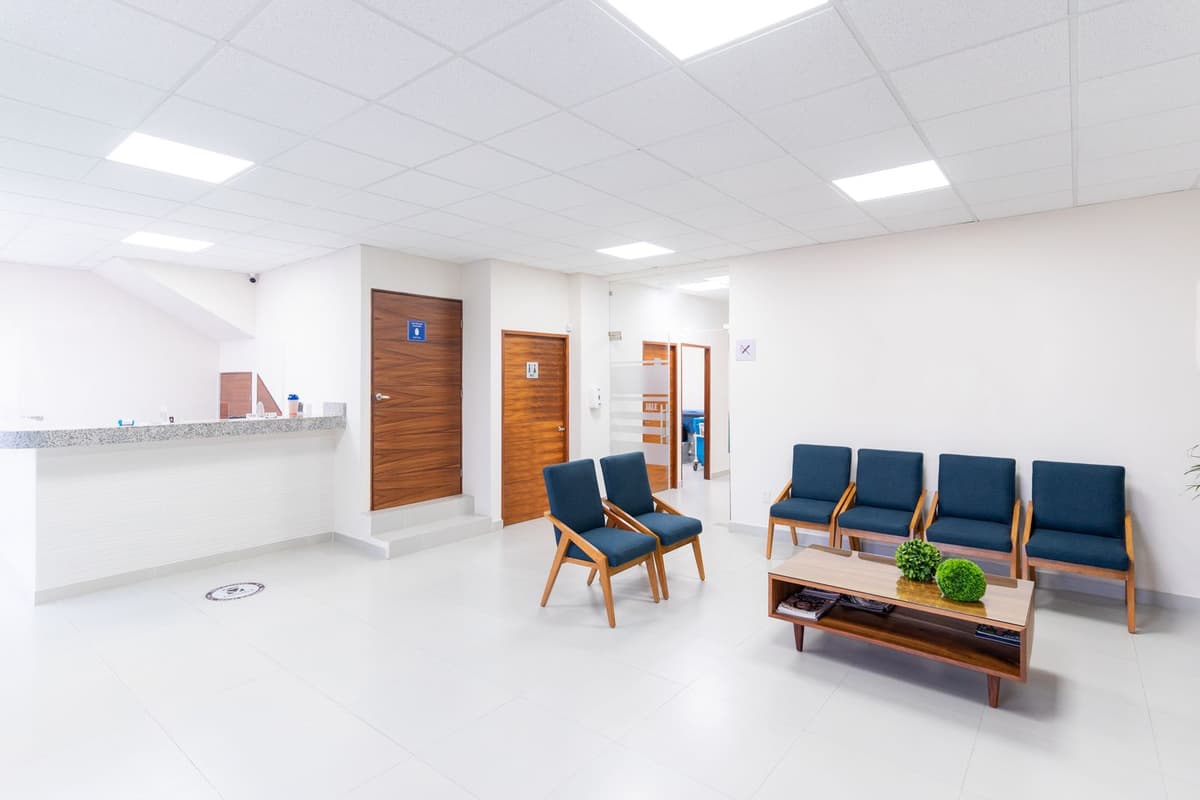
At reception (접수, jeopsu), say it's your first visit: "Cheoeum wasseoyo (처음 왔어요)." Staff will hand you a short form for your name, phone number, and symptoms. Then you wait to be called. At a quiet neighborhood clinic that's often not long, but Monday mornings and flu season can get crowded.
💡 Some clinics use queue apps like Ddocdoc (똑닥) for remote check-in. The app is mostly in Korean, but if your local clinic is always packed, ask reception whether they use one. It can save you a long wait.
Step 3: Talking to the doctor without perfect Korean
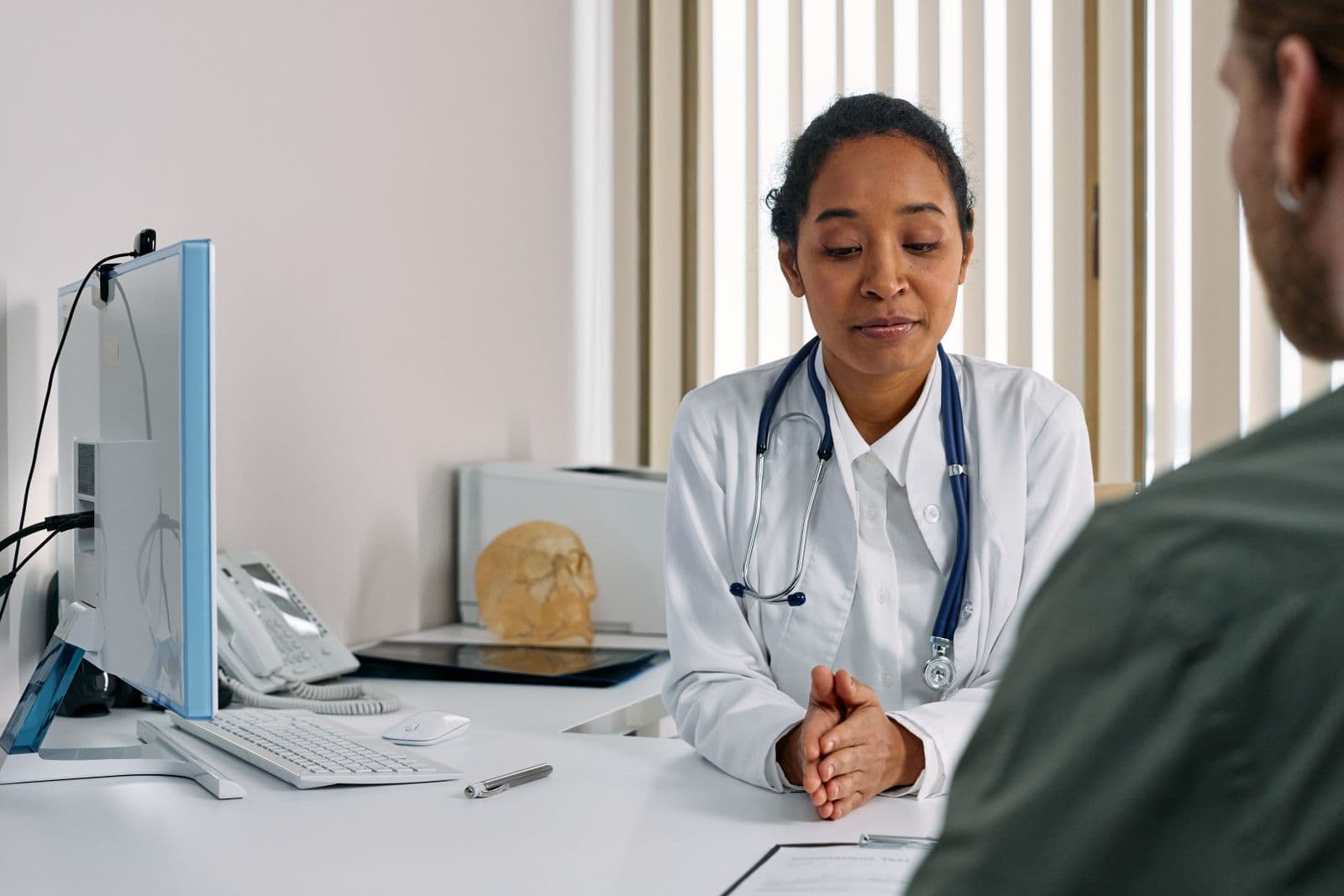
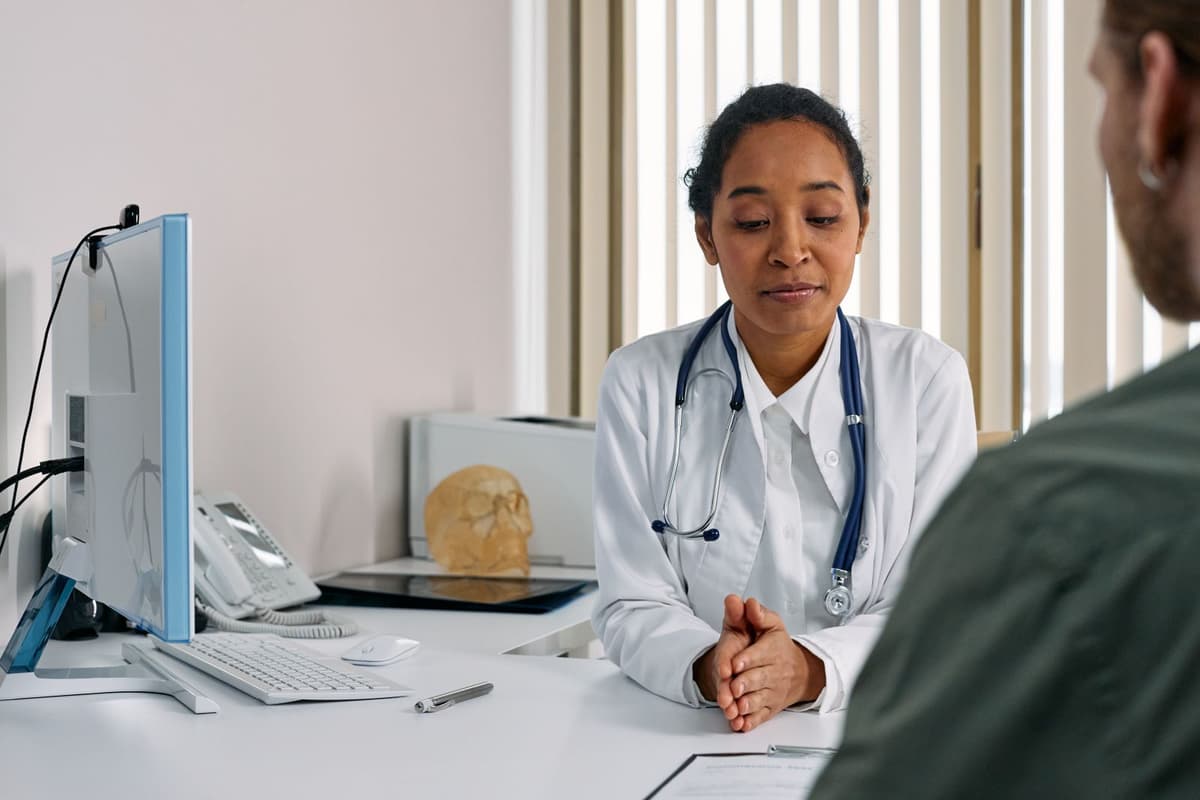
Consultations in Korea are quick, often just a few minutes. Many doctors know medical terms in English, especially in Seoul, but don't count on a long conversation. Do a little prep and you'll get much more out of those minutes.
- Write your symptoms down first: When it started, how bad it is, whether you have a fever, and what you've already taken. Translate it with Papago and show the doctor your screen.
- Learn a few simple phrases: "Yeori nayo (열이 나요)" means I have a fever. "Mogi apayo (목이 아파요)" means my throat hurts. "Gichimi nayo (기침이 나요)" means I have a cough. "Baega apayo (배가 아파요)" means my stomach hurts.
- Say your allergies clearly: "___ allereugiga isseoyo (___ 알레르기가 있어요)" means I'm allergic to ___. Show the name written down as well.
- Call for interpretation: The Korea Travel Hotline (1330) offers interpretation in several languages, and in Seoul the 120 Dasan Call Center has foreign-language support too.
For something serious where you really need English, many large university hospitals in Seoul run international healthcare centers with coordinators. They usually cost more and need an appointment, so save them for complicated issues, not a common cold.
💡 Need a sick note for school or work? Ask before you leave the clinic. A confirmation of treatment (진료확인서, jinryo hwaginseo) is often enough. A formal medical certificate (진단서, jindanseo) is a separate document that usually costs more. Fees vary by clinic, and it's worth asking your school or employer which one they accept.
Step 4: Picking up medicine at the pharmacy
Korean clinics generally don't hand out medicine themselves. The doctor gives you a prescription (처방전, cheobangjeon), and you take it to a pharmacy (약국, yakguk). There's almost always one right downstairs or next door.
- Hand over the prescription: Give it to the pharmacist, along with your ID if they ask. Any pharmacy can fill it, not just the closest one.
- Wait a few minutes: Pills often come sealed in small pouches, one pouch per dose, so you don't have to count anything.
- Read the instructions: You'll often see 식후 30분 (sikhu samsip-bun), which means "30 minutes after a meal," along with 아침 (morning), 점심 (lunch), and 저녁 (evening). If you're unsure, point at the label and ask the pharmacist to confirm.
- Pay at the counter: With insurance, prescription medicine is usually inexpensive.
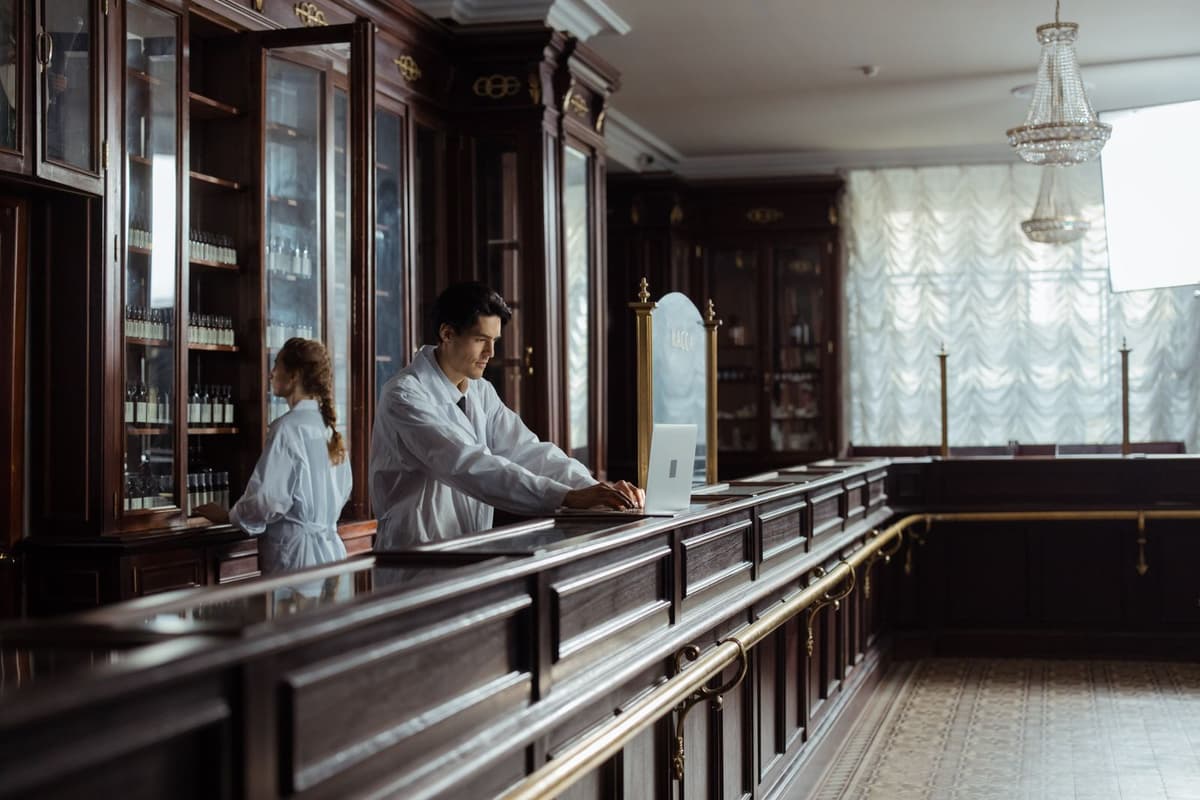
For minor problems you can skip the doctor entirely. Pharmacists sell over-the-counter cold medicine, painkillers, and digestive aids, and they'll suggest something if you describe your symptoms. Late at night, 24-hour convenience stores carry a short list of basic medicines such as fever reducers and digestive tablets.
📍 When you're choosing where to live, look at what's on the ground floors around the building. A 내과 and a 약국 within walking distance make a big difference when you're sick in the middle of January. You can check the neighborhood around each listing on the Homes in Korea map.
Step 5: What a doctor visit costs
What you pay depends almost entirely on whether you're enrolled in National Health Insurance (NHIS).
With National Health Insurance
Most foreigners staying in Korea for six months or more are enrolled in NHIS, and international students on D-2 visas are generally included too. As an insured patient you pay only part of the bill. Your share is smallest at a neighborhood clinic and gets bigger at larger hospitals.
As a rough ballpark, not a quote: a simple clinic visit for something like a cold often costs around ₩5,000–₩10,000 (about $3.60–$7.20), plus a few thousand won at the pharmacy. Tests, injections, and treatments that insurance doesn't cover (비급여, bigeumyeo) cost extra. If you're unsure, ask at reception before you agree to anything.
Without insurance
If you've just arrived and aren't enrolled yet, or you're on a short-term visa, you pay the full uninsured rate. A basic neighborhood clinic visit is usually still manageable, but scans, ER visits, and hospital stays add up quickly. Travel or private insurance really helps here.
- Ask for receipts: Request a receipt (진료비 영수증, jinryobi yeongsujeung) and an itemized statement (진료비 세부내역서, jinryobi sebu naeyeokseo). Private insurers usually want both.
- Check your status: Not sure whether you're covered, or confused by an NHIS bill? The NHIS call center (1577-1000) offers service in foreign languages.
- Keep your premiums paid: Unpaid premiums can restrict your coverage and may cause problems when you extend your visa. Check with NHIS or immigration if you've fallen behind.
Nights, weekends, and emergencies
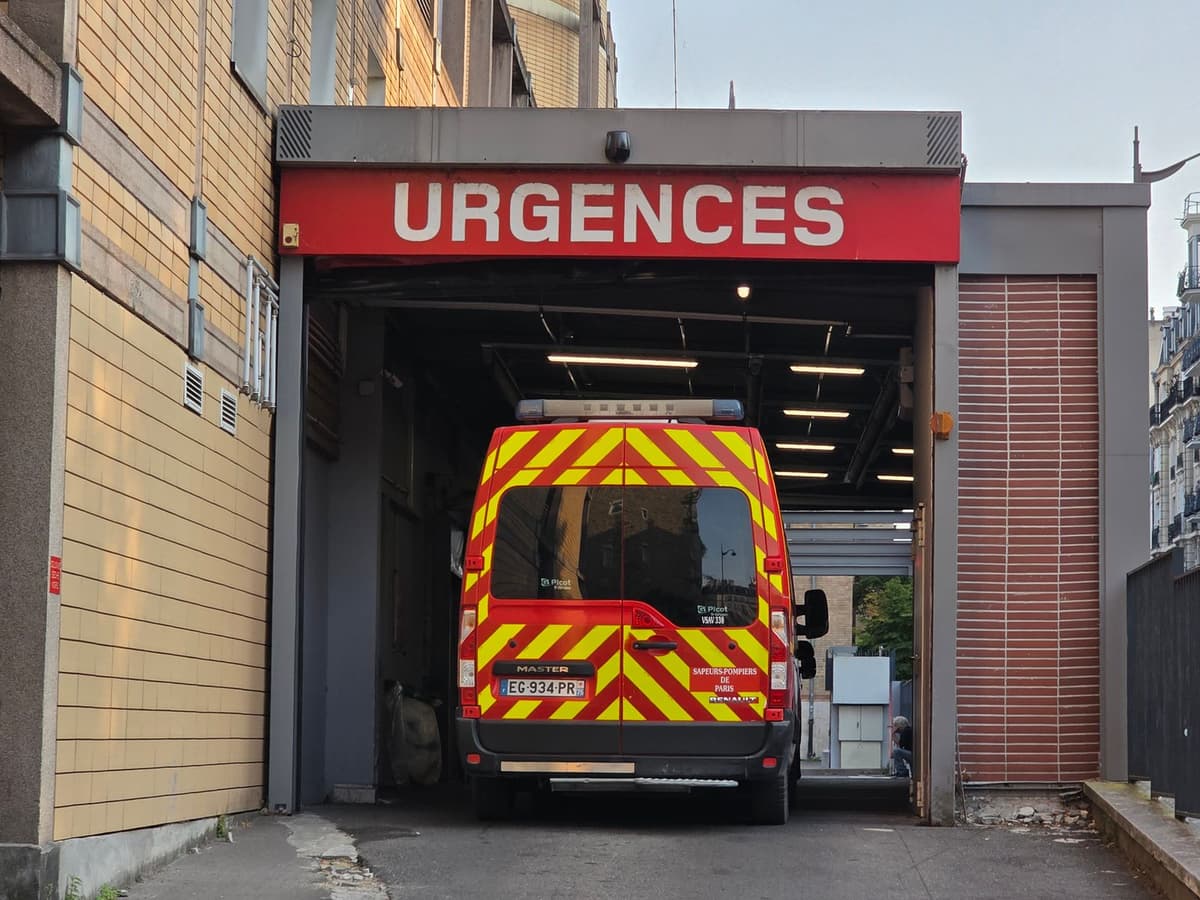
- Real emergency: Call 119 for an ambulance. Operators can connect you to interpretation if you need it.
- Emergency room (응급실, eunggeupsil): Large hospitals have 24-hour ERs. If it isn't urgent, expect a long wait and extra charges. Going to a clinic the next morning is usually the better choice.
- Finding what's open: The E-Gen emergency medical portal (응급의료포털, e-gen.or.kr) and its app show which hospitals and pharmacies are open at night and on holidays. Naver Map's "open now" filter helps too.
- The holiday trap: Many clinics close for several days over Seollal and Chuseok. Before a long holiday, stock up on basics like fever reducers, cold medicine, and anything you take regularly.
💡 Keep a note on your phone with your address in Korean, your residence card number, your allergies, and the nearest hospital. If you ever have to call 119 or take a taxi to the ER, it will save you a lot of stress.
Still settling in? The Homes in Korea blog has more practical guides on everyday life here, from getting ready for winter to finding your way around a new neighborhood.
Life in Korea gets a lot easier when your home is close to what you need: a clinic, a pharmacy, and a subway stop. Browse foreigner-friendly rooms near your school or office and Find a home that fits the way you live.