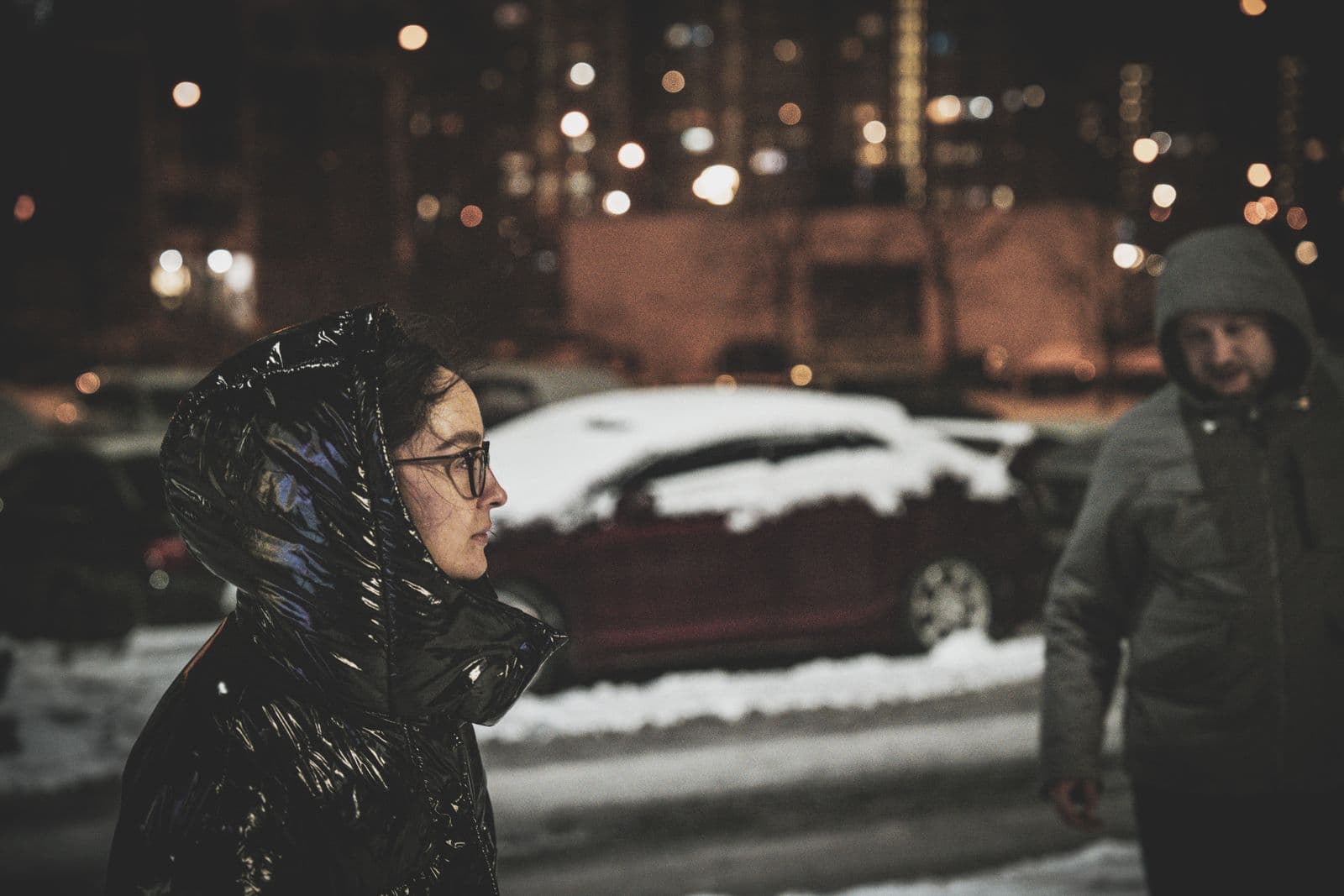
If you arrived in Korea this fall, you've probably been enjoying crisp, sunny days and colorful leaves. Enjoy them, because they don't last long. By December, temperatures in Seoul regularly drop below freezing, and January can bring cold snaps that feel much harsher than the number on your weather app.
The good news: your first Korean winter is very manageable if you prepare a little early. This guide covers what to buy, how Korean heating actually works, and the small habits that keep your room warm, dry, and mold-free, all before the first real cold snap hits.
Why Korean Winter Catches Newcomers Off Guard
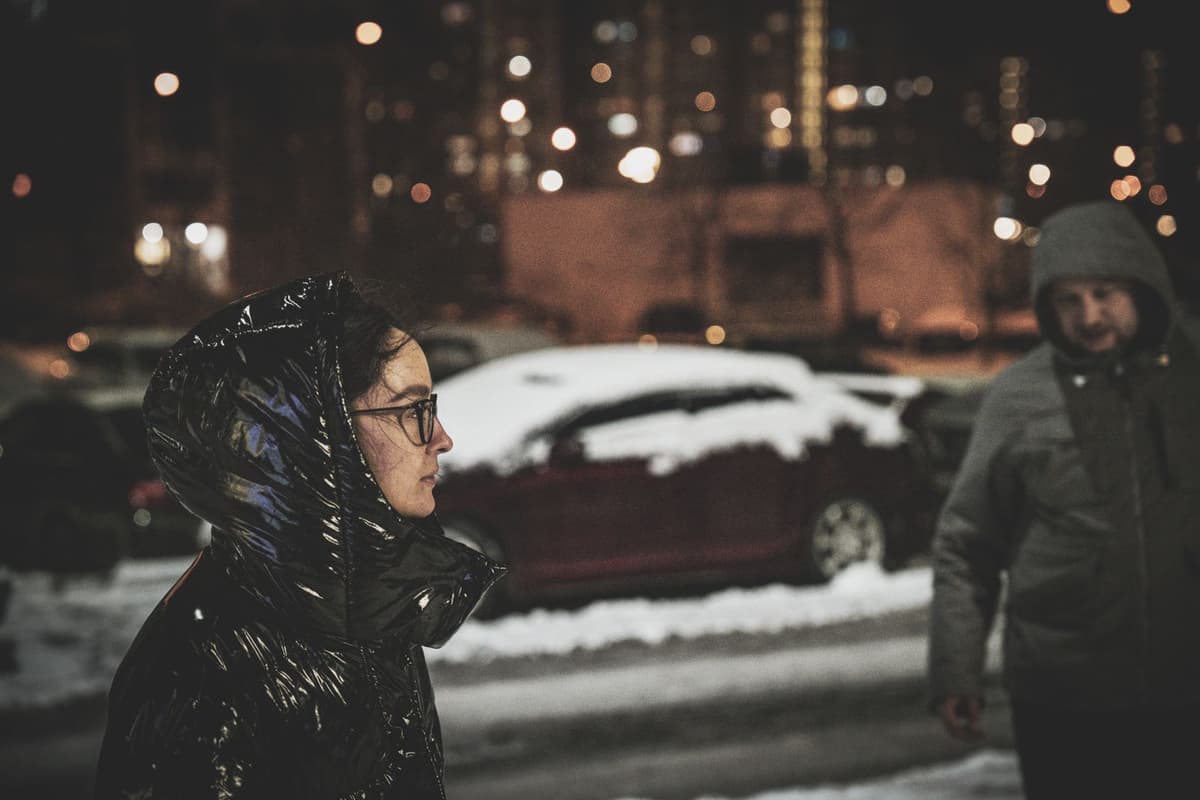
Plenty of people arrive thinking, "I've lived through cold winters before." Then the wind hits. Korean winters, especially in Seoul and the surrounding Gyeonggi area, are shaped by dry, cold air from the northwest. That means low humidity, strong wind chill, and mostly clear skies rather than constant snow.
There's a traditional saying, samhan saon (삼한사온), meaning "three cold days, four warm days." The pattern isn't as reliable as it used to be, but you'll still notice the weather swinging between bitter cold spells and milder stretches. That's why layering matters more than owning one giant sweater.
The other surprise is indoors. Most Korean homes use ondol (온돌), floor heating that warms the room from the ground up. It's wonderfully cozy once you get used to it, but older buildings can have drafty windows, and heating costs depend heavily on how you use it.
📍 Where you live matters. Seoul and inland areas tend to be colder than Busan or Jeju, and mountainous Gangwon-do usually gets the most snow. Once you're settled, check daily conditions on Naver Weather or the Korea Meteorological Administration (기상청) app.
Clothing: Build Your Core Winter Wardrobe
You don't need a whole new closet. You need a few key pieces that work together.
- A long padded coat (롱패딩): This is basically Korea's unofficial winter uniform, and for good reason. A knee-length (or longer) coat with a hood blocks the wind from your legs and neck. Down filling is the warmest and lightest; synthetic filling is cheaper and handles damp weather well.
- Thermal base layers (내복): Thin thermal tops and leggings under your regular clothes make a huge difference. Uniqlo's Heattech is popular, and Korean brands like SPAO (스파오) and Topten (탑텐) sell similar lines.
- Warm shoes with real grip: Sidewalks, stairs, and subway entrances can get icy, and black ice (블랙아이스) is a real hazard. Choose waterproof shoes or boots with textured rubber soles. Smooth-soled sneakers are what usually send people sliding.
- Hat, scarf or neck warmer (넥워머), and gloves: The wind goes straight for your ears, neck, and hands. Touchscreen gloves are worth it, since you'll be checking maps and bus times outside.
- Thick socks: Cheap, easy, and easy to forget. Grab a few pairs of wool or thermal socks.
💡 Layer instead of bundling. Subways, cafes, classrooms, and offices are often heated quite strongly. If you're wearing one heavy sweater under your coat, you'll overheat every time you go inside. Thin layers let you adjust.
Your Home: Stay Warm Without a Scary Gas Bill
Get to know your boiler (보일러)
Most homes are heated by a gas boiler controlled from a small panel on the wall. Learn it before December, not during your first freezing night. Common buttons include heating (난방), hot water (온수), away mode (외출), and timer/reservation (예약). If the labels are only in Korean, take a photo and run it through Papago or Google Lens.
Next, find out how heating is billed. In many one-rooms and officetels, you pay for city gas (도시가스) separately based on usage. In some buildings, heating is partly included in the monthly management fee (관리비). Ask your landlord or agent directly so January's bill isn't a surprise. Costs vary a lot by building, insulation, and habits, so be wary of anyone quoting you an exact number.
A few habits locals swear by: keep a steady, moderate temperature instead of switching the heat fully on and off, and use away mode (외출) rather than turning the boiler off completely when you leave during a cold snap. Pipes in Korea can freeze and burst (동파) in extreme cold, and a little background heat helps prevent that.
Gear that makes a real difference
- Electric heated mat (전기장판) or hot-water mat (온수매트): Warm your bed instead of your whole room. This is one of the most common ways Koreans save on heating. Look for an auto-off timer and the KC safety certification mark (KC 인증).
- Window insulation film (단열 뽁뽁이): This bubble-wrap-style film sticks to glass with just water and peels off easily. It's a cheap way to cut drafts from single-pane or older windows. If you're unsure, a quick message to your landlord never hurts.
- Draft stoppers (문풍지): Foam or fabric strips for gaps around doors and window frames. Run your hand along the edges on a windy day and you'll find where the cold gets in.
- Thick curtains: Heavier or blackout curtains help keep heat in at night, especially on north-facing windows.
- Indoor slippers (실내화): Ondol warms the main floor, but bathroom tiles and entryways stay freezing.
- Space heaters, used carefully: They help in drafty rooms, but they use a lot of electricity, and Korea's residential electricity pricing is progressive (누진제), so heavy use can push you into a higher rate. Never leave one running unattended.
💡 Still house hunting? Ask about winter before you sign. Are the windows double-glazed? Which way does the room face (south-facing rooms get more sun)? Is the heating individual or central? You can compare options and filter listings on the Homes in Korea map and ask these questions before your move-in date.
Fight Dry Air and Condensation
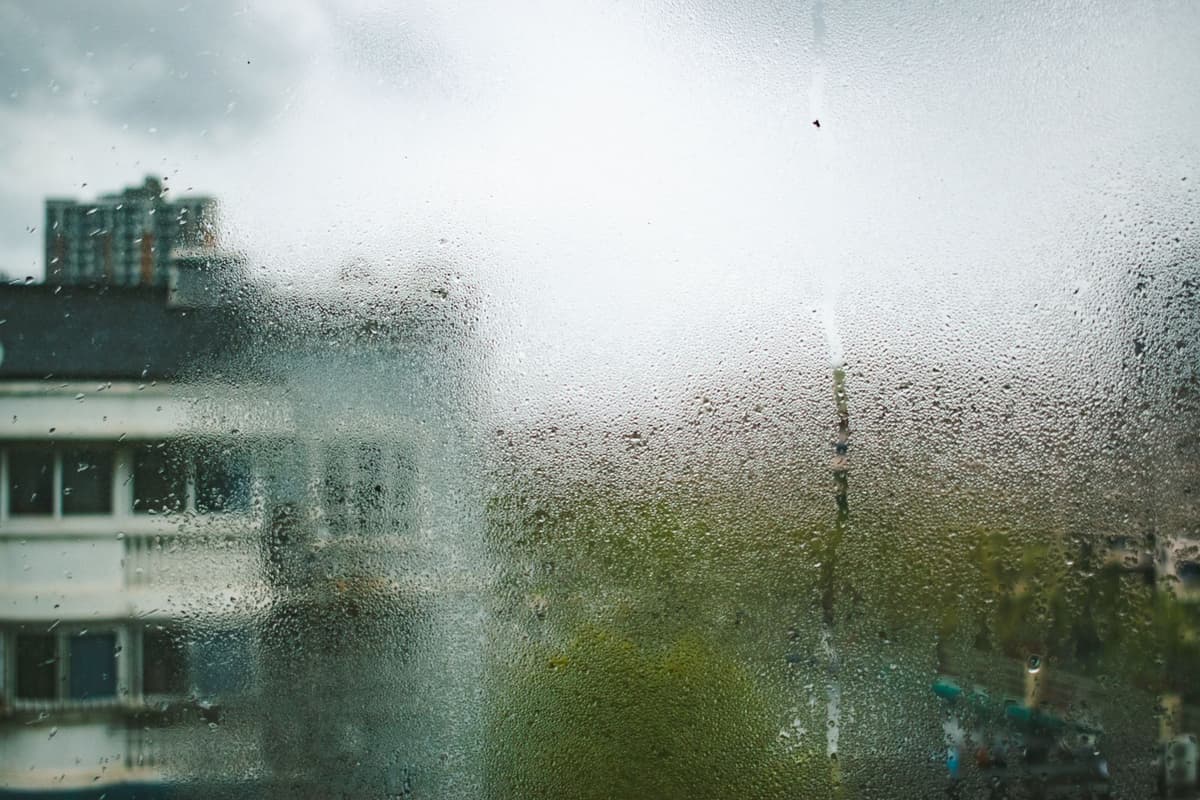
Korean winter air is dry, and floor heating dries it out even more. Many newcomers wake up with a scratchy throat, cracked lips, or itchy skin. On the flip side, when warm indoor air meets cold window glass, you get condensation (결로), which can lead to mold (곰팡이) if you ignore it.
- A humidifier (가습기): Even a small desktop one helps you sleep better. Clean it often and change the water daily, since a dirty humidifier can do more harm than good.
- Lip balm, hand cream, and body lotion: Korean drugstores like Olive Young (올리브영) have endless options. Buy more than you think you need.
- Wipe your windows in the morning: A quick wipe with a cloth or squeegee stops water from pooling on the sills and frames where mold loves to grow.
- Ventilate (환기) daily: It sounds backwards, but opening the windows for about 10 minutes, once or twice a day, lets moist air out. Your room will warm back up quickly.
- Moisture absorbers (제습제): Put disposable moisture-absorbing boxes in closets and under the sink. You'll find them at any supermarket or Daiso.
Small Essentials That Make Daily Life Easier
- Hand warmers (핫팩): Disposable packs are sold at convenience stores, pharmacies, and Daiso, and a pack usually costs just a few thousand won (a few dollars). Slip one in your coat pocket for long commutes or waiting at the bus stop. Rechargeable USB versions are a good reusable option.
- KF94 masks: They keep your face warm, and fine dust (미세먼지) levels can rise in late winter and early spring. Check the AirKorea (에어코리아) app on hazy days.
- A good thermos or tumbler: Hot tea on the way to class or work is a small luxury that adds up.
- An indoor drying rack (빨래건조대): Laundry dries slowly in winter. If your washing machine sits on an unheated balcony (베란다), it can freeze during extreme cold. Building managers sometimes post notices asking residents to avoid using washers during severe cold snaps, so watch for those.
Where to Shop, and Why Before December
You can find nearly everything on this list without going far from home.
- Daiso (다이소): Your first stop for insulation film, draft stoppers, slippers, hand warmers, and moisture absorbers. It's budget-friendly and everywhere.
- Uniqlo, SPAO, Topten: Reliable for thermals, fleece, and padded coats at mid-range prices.
- E-mart, Homeplus, Lotte Mart: Good for electric mats, humidifiers, and bulk household supplies.
- Coupang (쿠팡) and other online shops: Fast delivery and huge selection. Some services may require a Korean phone number or payment method, so set that up early if you can.
- Dongdaemun and local markets: Worth a visit for cheap scarves, gloves, and socks if you enjoy browsing.
📍 Larger multi-floor Daiso stores, like the one near Myeongdong Station, usually carry the widest winter range in one place.
Why shop early? Popular padded coat sizes and colors can sell out once the cold arrives, and the first real cold snap often lands in November. Electric mats and humidifiers also get snapped up quickly when temperatures drop. Buying in October or early November means you're ready, not scrambling.
Your Pre-December Checklist
- Learn your boiler panel and test the heating and hot water now.
- Ask your landlord or agent how heating and gas are billed.
- Buy a long padded coat and thermal layers.
- Get waterproof shoes with grippy soles.
- Pick up an electric mat with a timer and KC mark.
- Insulate your windows with bubble film and draft stoppers.
- Set up a humidifier and moisture absorbers.
- Stock up on hand warmers and KF94 masks.
- Save your landlord's contact so you know who to call if the boiler breaks or a pipe freezes.
Enjoy the Cozy Side of Korean Winter
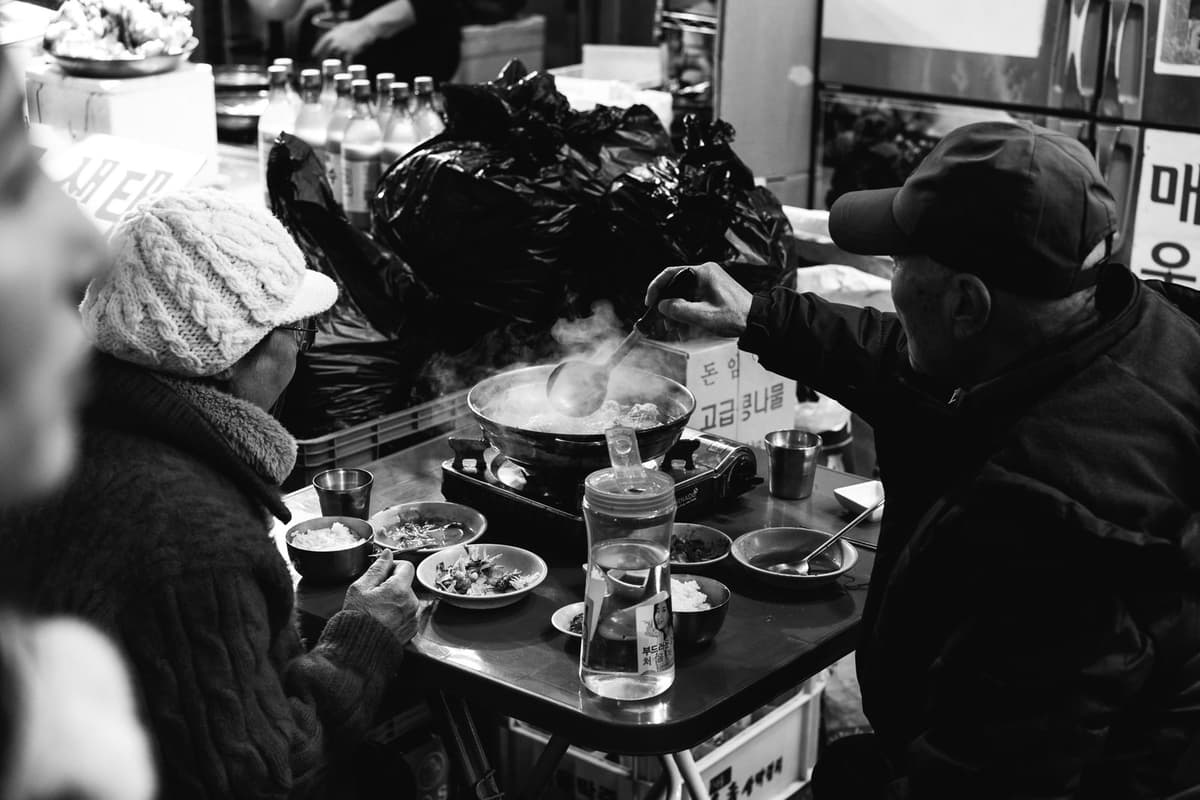
Once you're prepared, winter in Korea is genuinely fun. There's warm hotteok (호떡) and bungeoppang (붕어빵) from street stalls, steaming bowls of soup at your local restaurant, and that unbeatable feeling of coming home to a heated floor. A little planning in October turns your first Korean winter from something to survive into something to enjoy.
For more practical guides on settling into life here, browse the Homes in Korea blog.
Still looking for a warm, well-insulated place before the cold sets in? Compare foreigner-friendly rooms near your school or office. Find a home