

Korean Apartment Size Guide: Exclusive Area vs. Supply Area
September 25, 2026
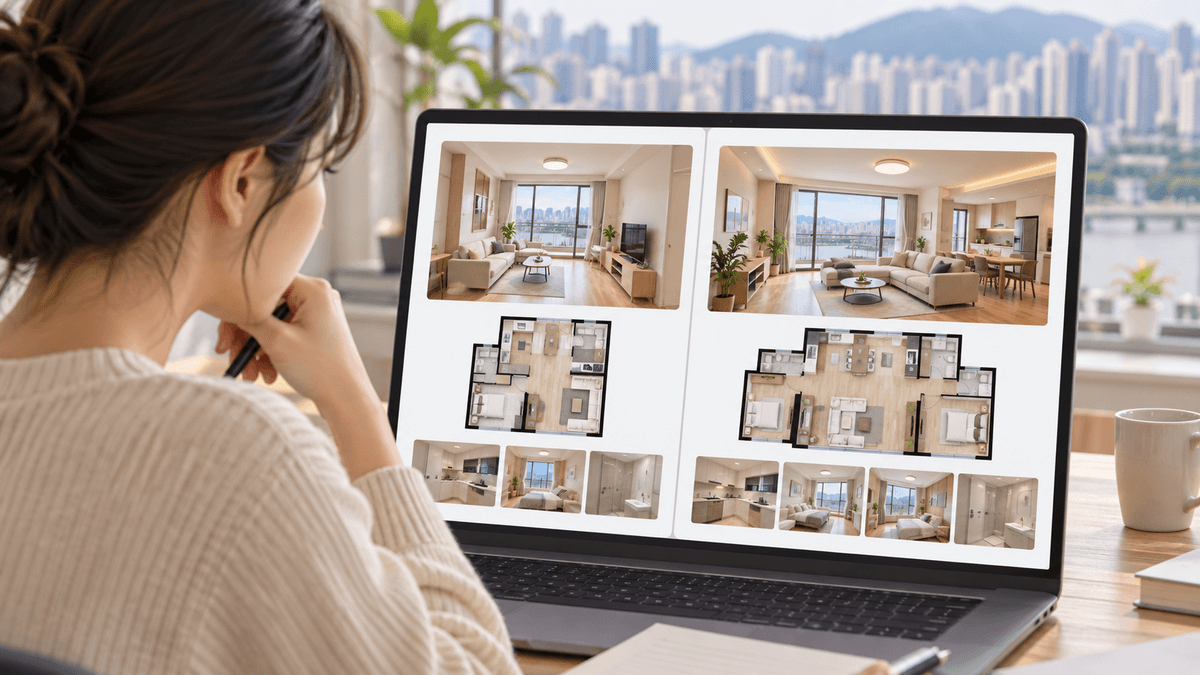
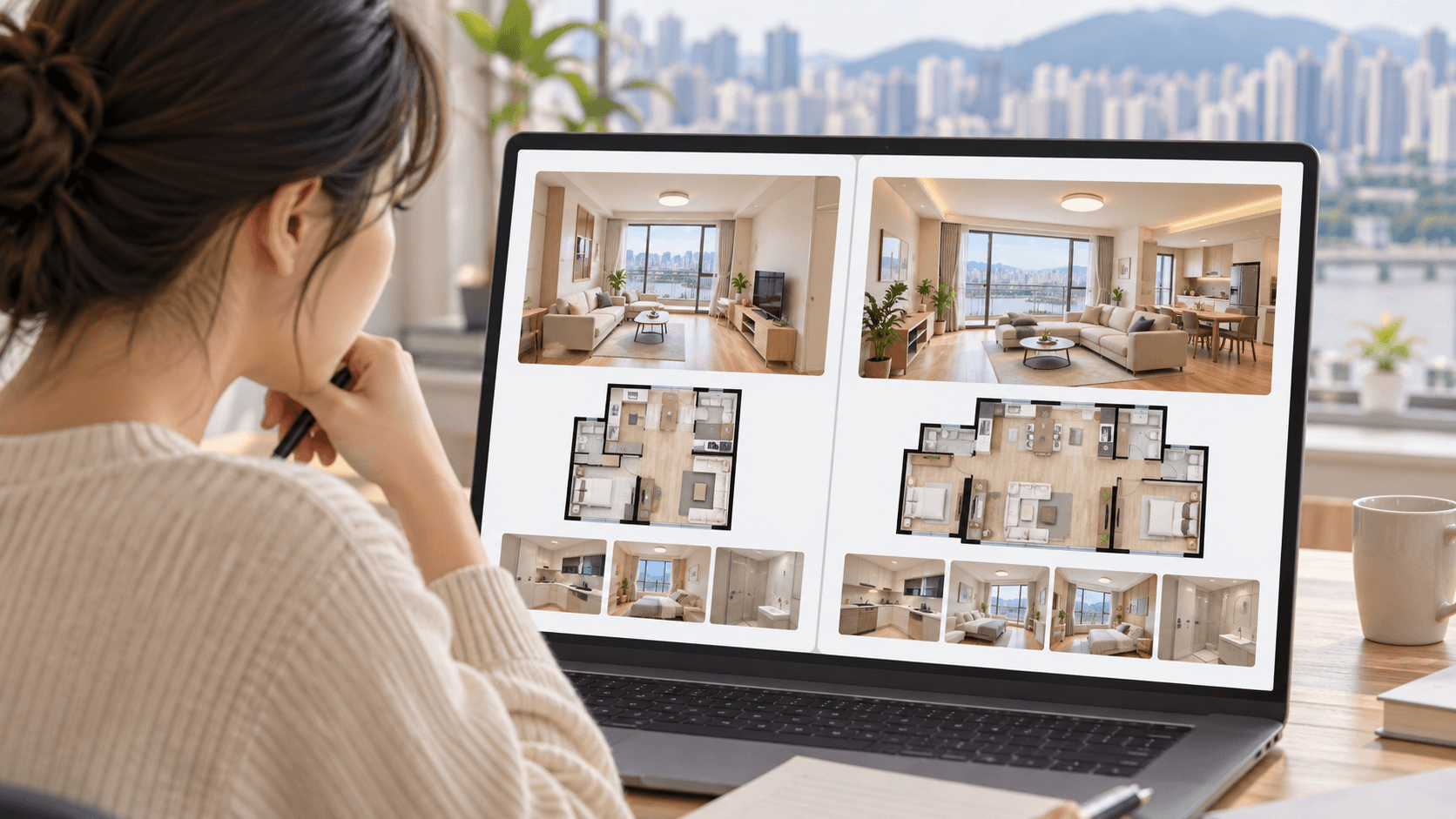
When looking for a home in Korea, you may notice that a single listing shows two different floor-area figures.
Exclusive Area: 59㎡
Supply Area: 80㎡
The reason the same apartment can have two different numbers is that each figure includes a different range of spaces.
When comparing homes in Korea, it is more useful to understand what the Exclusive Area and Supply Area actually include than to simply focus on the larger number.
In this guide, we explain the difference between Exclusive Area and Supply Area, which figure best represents your actual living space, and how to read both square meters (㎡) and pyeong when browsing Korean housing listings.
1.Why Does One Apartment Show Different Sizes?
The Exclusive Area and Supply Area measure different parts of the property.
Exclusive Area | 전용면적
The Exclusive Area refers to the private residential space used exclusively by one household.
Simply put, it is the main indoor living space that belongs to your unit.
This generally includes: Bedroom, Living room,Kitchen, Bathroom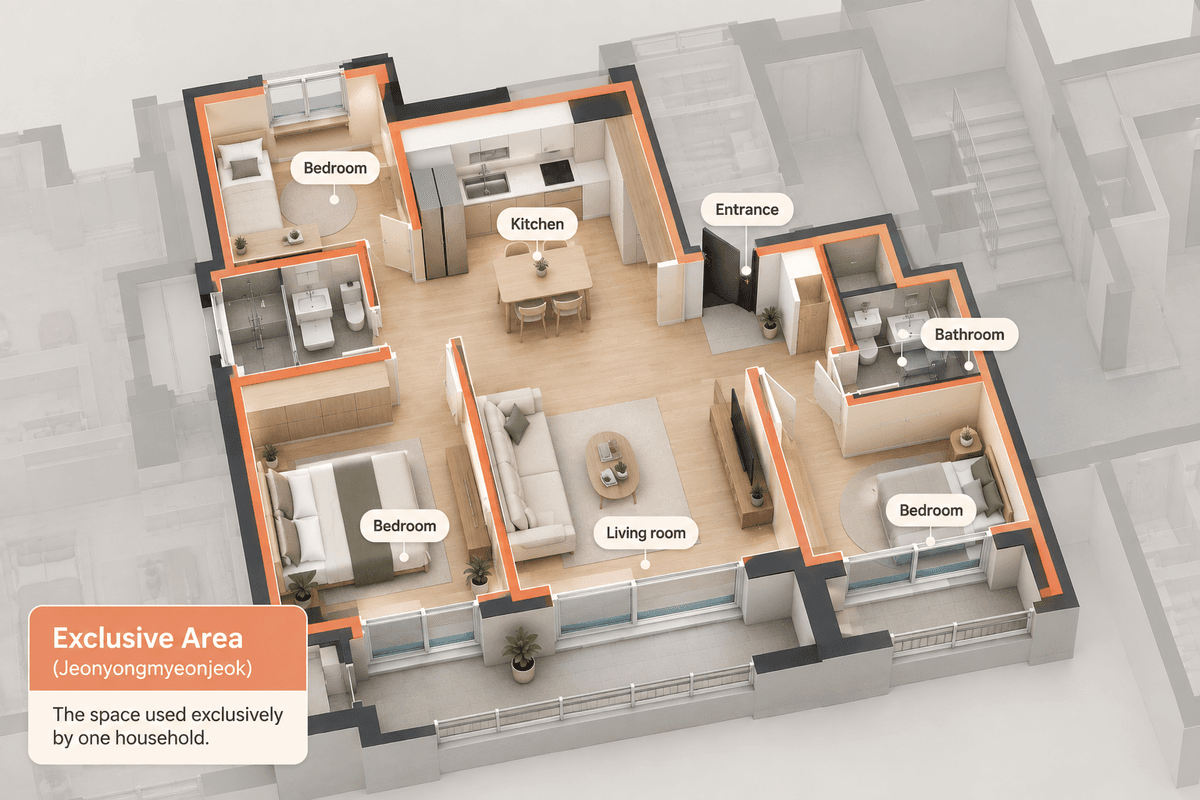
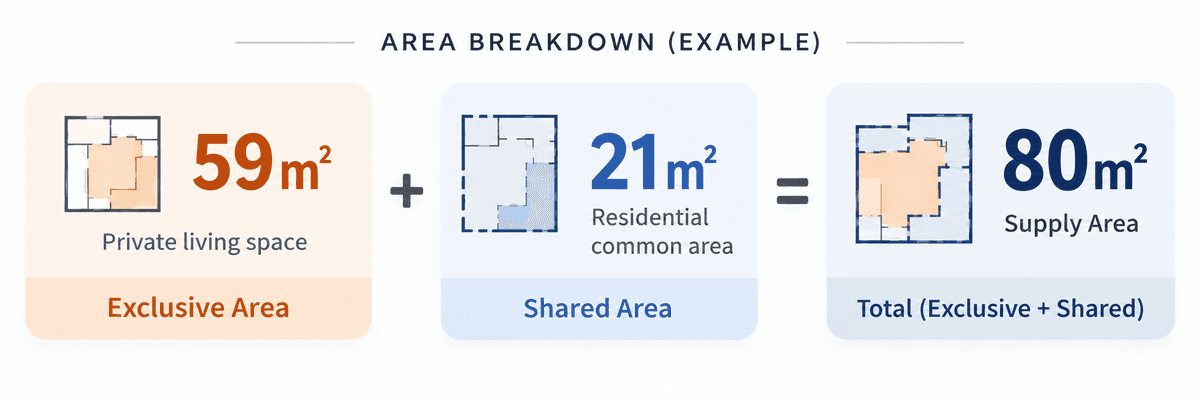
As shown in the image above, the Exclusive Area focuses on the private living space inside your unit.
It is the most useful figure to check first when comparing the actual interior living space of different listings.
※ Spaces such as balconies may be treated separately and are not necessarily included in the Exclusive Area.
Residential Common Area | 공용면적
An apartment building also has spaces that residents share.
For example: Hallways, Staircases Elevator lobbies
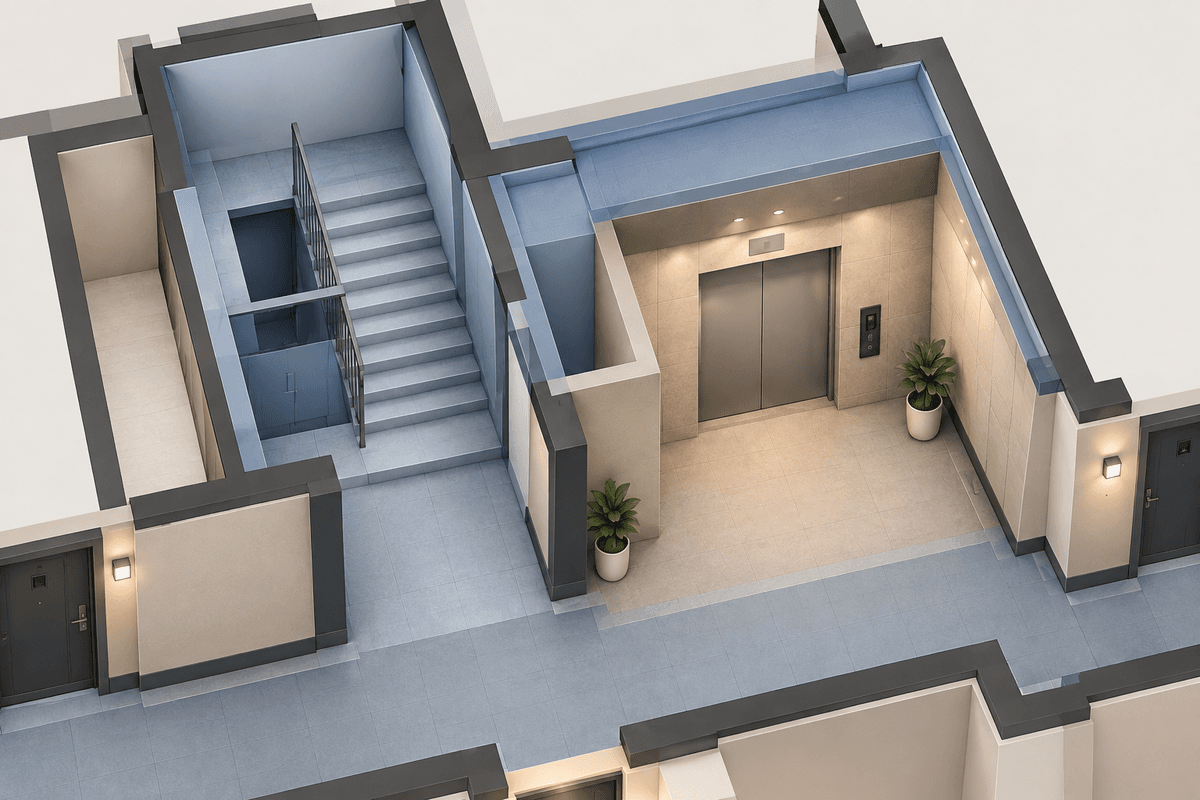
These spaces are not part of your private unit. Instead, they are common areas shared by residents of the building.
A portion of these shared spaces is allocated to each unit as its Residential Common Area.
Supply Area | 공급면적
The Supply Area combines your private living space with your share of the Residential Common Area.
For example:
Exclusive Area: 59㎡
Residential Common Area: 21㎡
59+21 = 80
Supply Area: 80㎡
💡This is why the same apartment can be shown with two different size figures.
The 59㎡ Exclusive Area represents the private living space of the unit, while the 80㎡ Supply Area also reflects its share of the residential common areas.
2. Check the Exclusive Area First When Comparing Actual Living Space
When comparing the interior size of different listings, it is best to check the Exclusive Area first.
For example, imagine two listings with the following information.
HOUSE A : Exclusive Area: 59㎡
Residential Common Area: 21㎡
Supply Area: 80㎡
HOUSE B : Exclusive Area: 59㎡
Residential Common Area: 26㎡
Supply Area: 85㎡
If you only look at the Supply Area, HOUSE B may appear larger.
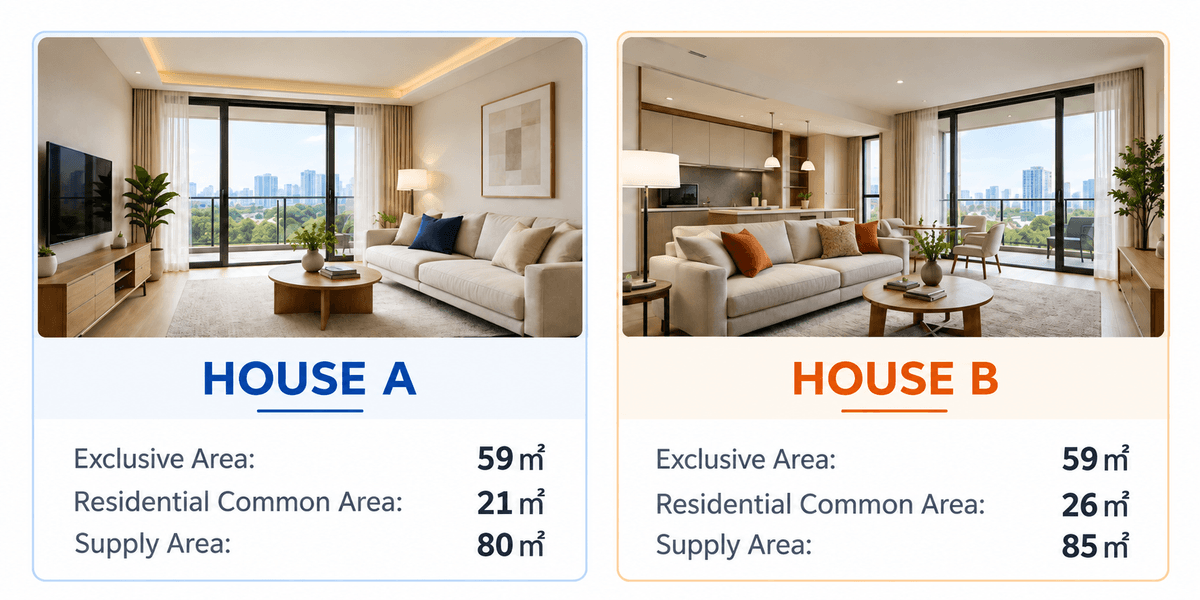
However, both homes have the same Exclusive Area of 59㎡.
This means that, based on the listed figures, both homes offer the same amount of private interior living space.
Then, to see the difference more clearly, compare the Exclusive Area itself.
HOUSE A
Exclusive Area: 59㎡
HOUSE B
Exclusive Area: 74㎡
In this case, HOUSE B has a larger actual interior living area.
👍CHECK!
A larger Supply Area does not necessarily mean that the bedroom, living room, or other private spaces inside the home are larger by the same amount. When comparing the actual interior space of different listings, the Exclusive Area is the most important figure to check first.
3. Understanding “Pyeong,” a Commonly Used Unit in Korea
In Korea, square meters (㎡) are used for official floor-area measurements, but the traditional unit pyeong is still commonly used in everyday conversation.
For example, people often say: A home in the 20-pyeong range, An apartment in the 30-pyeong range,
A simple conversion is 1 pyeong ≈ 3.3㎡
To convert square meters into pyeong.
㎡ ÷ 3.3 ≈ pyeong
For example : 59㎡ ≈ 17.9 pyeong
74㎡ ≈ 22.4 pyeong
84㎡ ≈ 25.5 pyeong
You can use these figures as a quick reference when reading Korean housing listings.
4. How to Read the Area Information in an Actual Listing
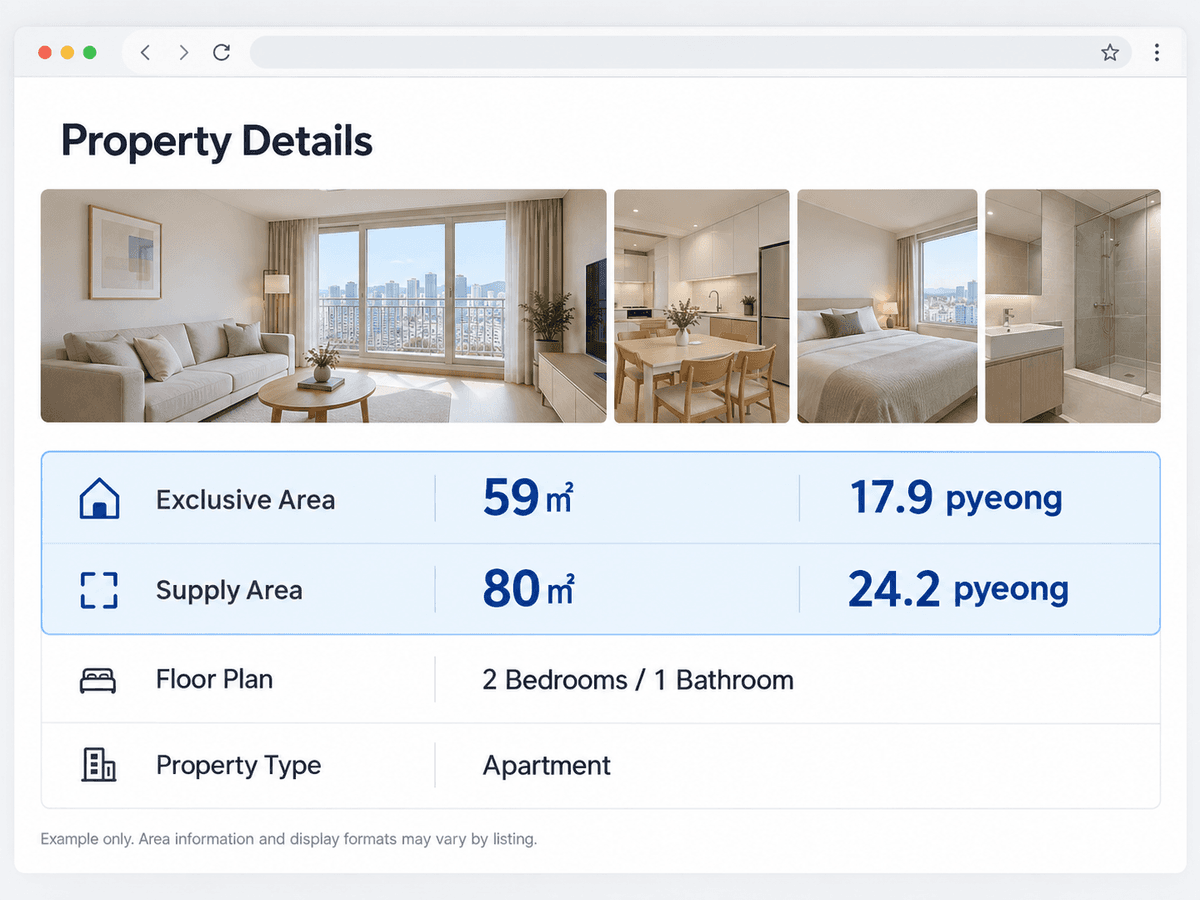
Imagine that a listing shows the following information.
Exclusive Area : 59㎡
Residential Common Area: 21㎡
Supply Area : 80㎡
In this case
59㎡ → The private interior space used exclusively by the tenant
80㎡ → The Supply Area, which includes the Exclusive Area plus the Residential Common Area
When comparing the actual living space of different listings, it is better to compare the 59㎡ Exclusive Area first rather than the 80㎡ Supply Area

5.What to Check When Comparing Home Sizes in Korea
✔️ Exclusive Area | 전용면적
Check this first when comparing the actual interior living space of different homes.
✔️ Residential Common Area | 주거공용면적
Shared residential spaces such as hallways, staircases, and elevator lobbies. A portion of these common areas is allocated to each unit.
✔️ Supply Area | 공급면적
The total area that includes both the Exclusive Area and the Residential Common Area.
✔️ Floor Plan | 평면도
Even if two homes have the same Exclusive Area, the space can feel different depending on the layout, so it is helpful to check the floor plan as well.
✔️ ㎡ & Pyeong | ㎡, 평
If the size is shown in pyeong, check which type of area the pyeong figure is based on.
Understanding these terms makes Korean housing listings much easier to compare.
Check the Exclusive Area first, then use the Supply Area, floor plan, and pyeong information for additional context.
A few basic terms can make finding the right home in Korea much simpler😊.
Now that you know how to read Korean apartment sizes, you can compare listings with more confidence. Homes in Korea helps foreigners find furnished rooms and monthly rentals across Seoul with the details you need to understand each home.