


What is 'Gwanlibi'? A Guide to Utility Bills & Maintenance Fees for Foreigners in Korea
September 18, 2026
Finding your first apartment in Korea is an exciting milestone, but budgeting for it can sometimes be confusing. Many international students and expats find a room that perfectly fits their monthly rent budget, only to be surprised by an additional envelope in their mailbox: the Gwanlibi (관리비) and utility bills.
To help you manage your housing budget without any surprises, here is everything you need to know about Korean maintenance fees and how to easily pay your utility bills.
Rent vs Gwanlibi: What’s Included in Your Monthly Maintenance Fee?
In Korea, your monthly housing expense is usually divided into two main parts: the base rent (월세, wolse) and the maintenance fee (관리비, gwanlibi).

It is crucial to understand that what is included in your Gwanlibi varies heavily depending on the type of housing and the specific landlord. There is no universal standard, so you must always check your contract.
- One-rooms (Studio apartments): Gwanlibi typically ranges from 50,000 to 100,000 KRW. This often covers internet, cable TV, water, and cleaning of common areas (hallways, recycling bins).
- Officetels (High-rise studios): Gwanlibi is usually much higher (100,000 to 150,000+ KRW) because it includes building security, elevator maintenance, and parking facilities. In these buildings, internet and cable are often notincluded.
Always ask your real estate agent: "Gwanlibi-e mwoga poham-dwaeyo?" (What is included in the maintenance fee?).
Electricity & Gas: Why You Get Separate Bills and How Much to Expect
Even if your Gwanlibi includes water and internet, electricity and gas are almost always billed separately based on your personal usage.
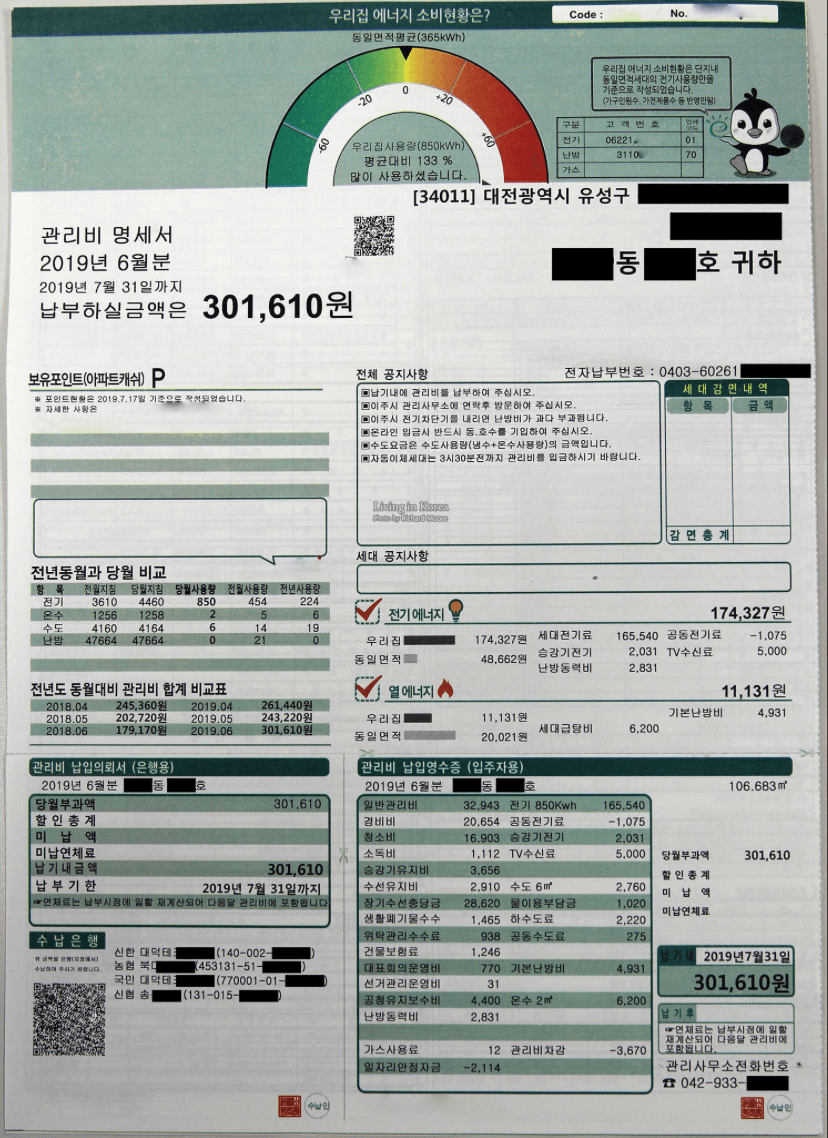
Korea experiences hot, humid summers and freezing winters. In the summer, your electricity bill will spike due to air conditioning. In the winter, your gas bill will increase significantly because Korean apartments use Ondol (underfloor heating) which is powered by gas boilers. Depending on your usage, expect to pay anywhere from 20,000 to 80,000 KRW a month for these utilities.
Decoding Your Korean Utility Bill: Key Korean Words to Look For
When you receive your paper bills in your mailbox, they can look intimidating. Here are the three main keywords you need to identify to know what you are paying for:
- 수도요금 (Sudo Yogeum): Water bill. (Often included in one-room Gwanlibi, but billed separately in officetels).
- 전기요금 (Jeongi Yogeum): Electricity bill. Look for the logo of KEPCO (한국전력공사).
- 도시가스 (Dosi Gas): City gas bill, used for hot water and floor heating.
How to Pay: Convenience Stores, Mobile Banking, and Direct Transfers Made Easy
Paying utilities in Korea is incredibly convenient once you know the methods. You don't need to visit a bank branch in person.
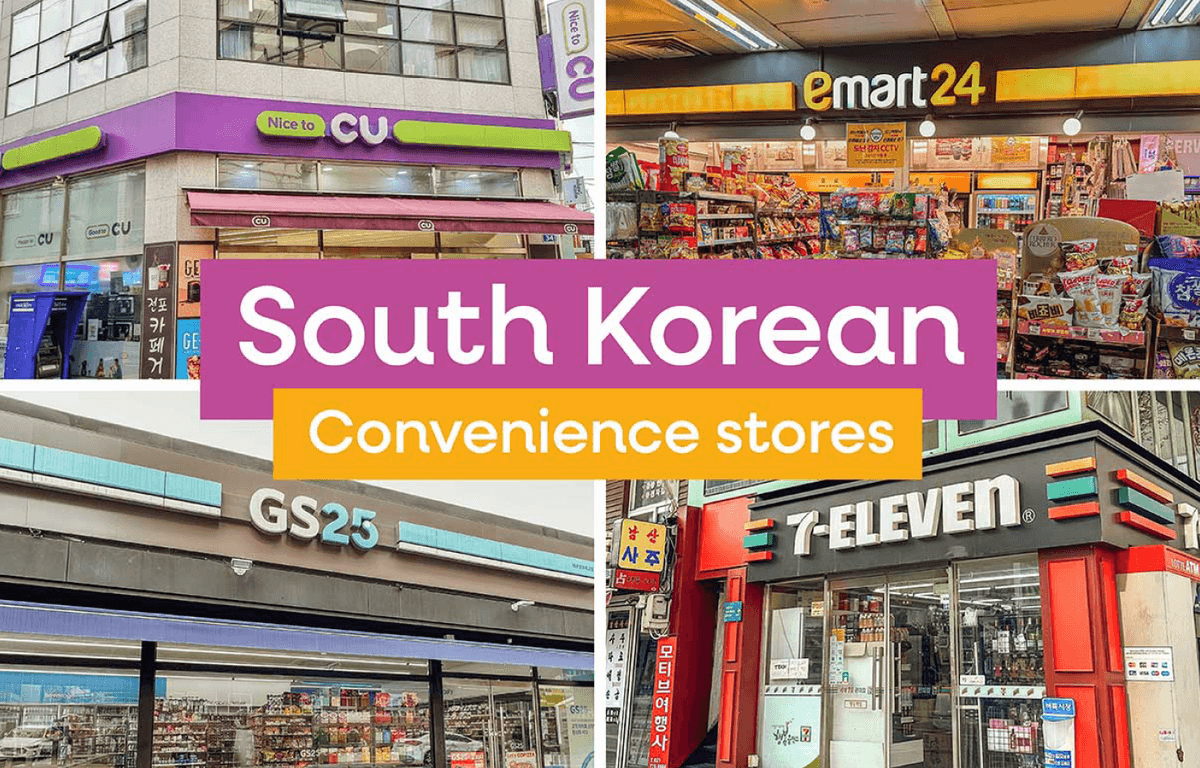
- Convenience Stores (CVS): This is the easiest method for newcomers who don't have a Korean bank account yet. Simply take your paper bill to any major convenience store (CU, GS25, 7-Eleven, Emart24). Hand the bill to the cashier, and you can pay the exact amount using cash or a local card.
- Direct Bank Transfer (가상계좌): Look at your bill for the section labeled "가상계좌" (Virtual Account). You will see a list of account numbers for various banks (Shinhan, Kookmin, Woori, etc.). You can use your mobile banking app or an ATM to transfer the exact billing amount to the virtual account corresponding to your bank.
- Auto-Pay (자동이체): Once you have your Alien Registration Card (ARC) and a Korean bank account, you can call the utility company or use their app to set up automatic monthly deductions. This is the best way to ensure you never miss a payment!