What Is a Goshiwon (Micro Studio) in Korea? A Foreigner's Guide to Booking One Short-Term
Aug 21, 2026
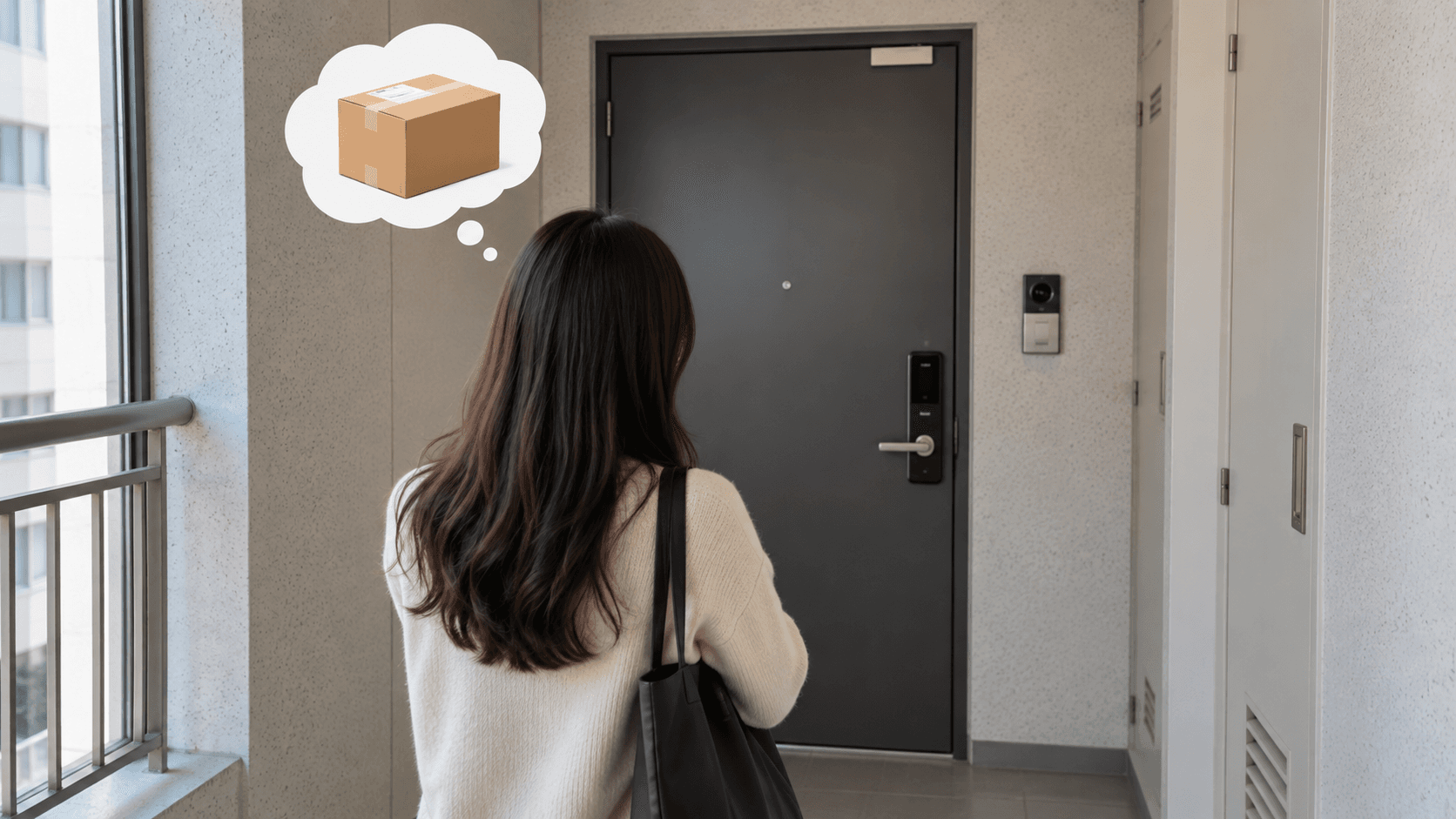
You land in Seoul, your sublet falls through, and you need somewhere to sleep by Thursday. Before you panic-book a pricey hotel for a month, let a local secret save you: goshiwons (고시원) are Korea's network of furnished micro studios where you can move in same-day, pay a fraction of hotel rates, and leave whenever you're ready — no year-long lease required.
What Exactly Is a Goshiwon?
A goshiwon (고시원, literally "exam study hall") started life decades ago as cramped but cheap housing for students grinding through Korea's notoriously difficult civil-service and bar exams. Tiny rooms, shared kitchens, maximum focus. The name stuck even as the concept evolved — you'll also see the same room type listed as a "Micro Studio" on English-language rental platforms, which is a much friendlier way of saying the same thing: a small, furnished, private room with a lockable door.
Today, goshiwons are having a full-on revival — and foreigners are a big reason why. Buildings near Hongdae, one of Seoul's busiest expat-friendly neighborhoods, now report that foreign tenants make up more than 30% of residents. It's easy to see why: low deposits, no long contract, and a room you can inspect and sign up for on the same afternoon.
What You Actually Get Inside the Room
Don't let the word "micro" scare you. A typical goshiwon room runs 1–5 pyeong (평, the Korean unit for floor area — roughly 3–15 square meters). Inside you'll generally find:
- 🛏️ A single bed
- 💡 A small desk and chair
- 👔 A wardrobe or built-in storage
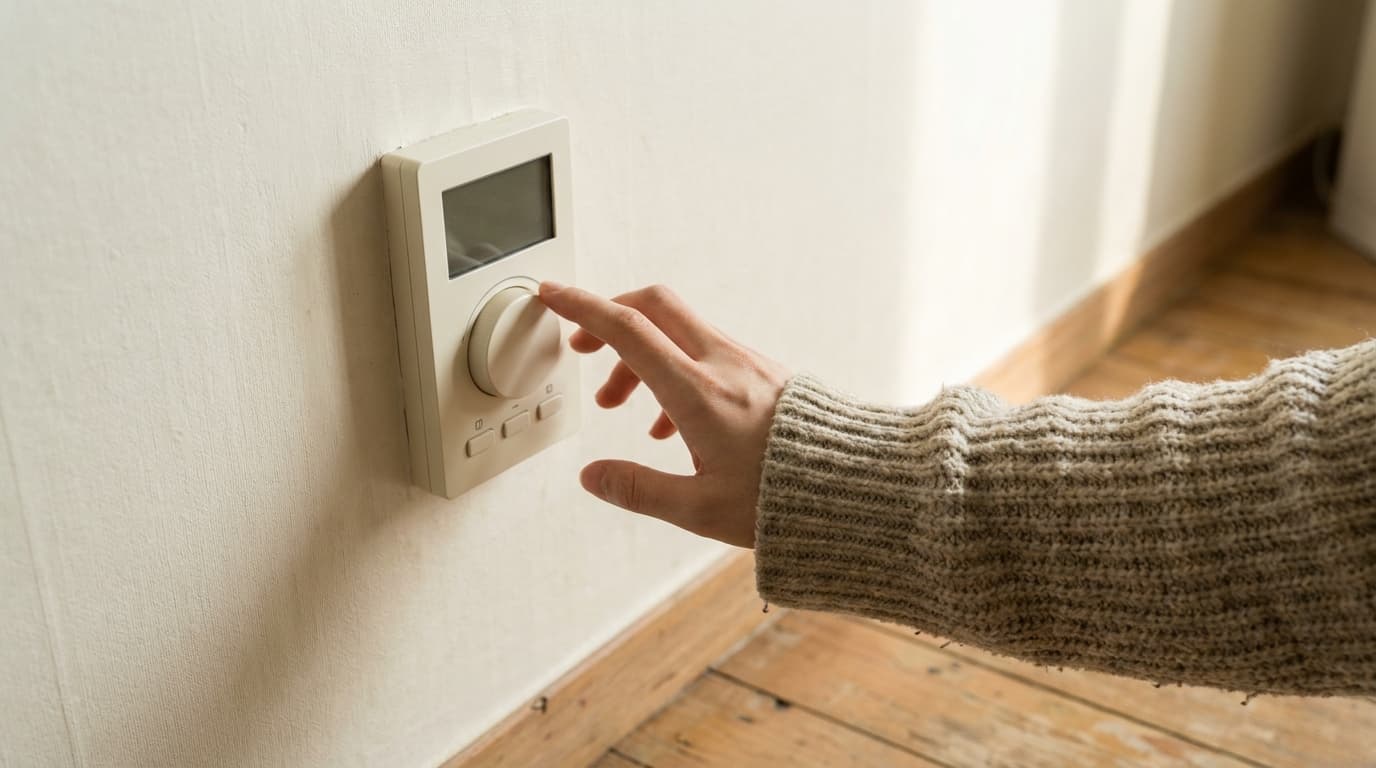
- ❄️ Air conditioning
Some rooms include a private ensuite bathroom; others share facilities with a handful of neighbors down the hall. That single feature — private vs. shared bathroom — is the biggest quality divider in the market.
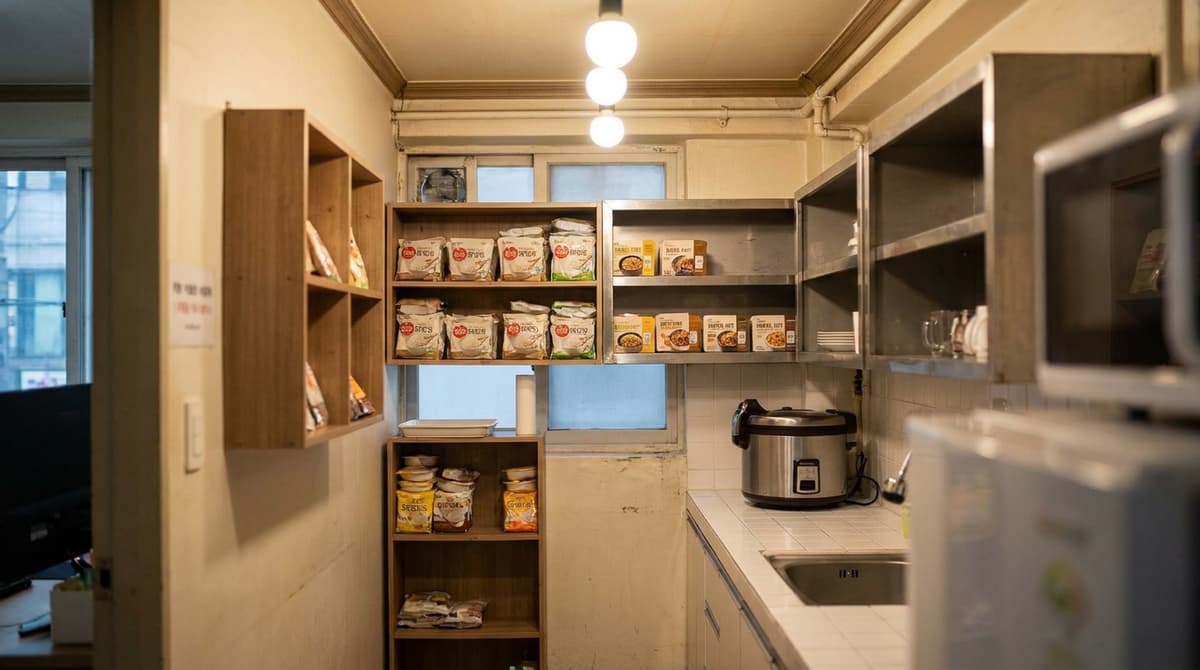
Standard included utilities usually cover electricity, water, and Wi-Fi. Many buildings sweeten the deal further with a shared kitchen stocked with free rice and kimchi, and either coin-operated or included laundry.
💡 TIP: If working from your room matters to you, ask specifically about Wi-Fi speed before you sign anything. Shared bandwidth across many small rooms can be slow during peak evening hours.
How Much Does a Goshiwon Cost?
Here's the short version: far less than an apartment, and often far less than a long hotel stay. Costs break down roughly by tier:
Budget goshiwon(shared bathroom) — ₩250,000–₩400,000/month (~$180–$290 USD)
Standard gositel(고시텔, a rebranded, slightly upgraded goshiwon aimed at young professionals — private bathroom, newer building) — ₩450,000–₩600,000/month (~$325–$435 USD)
Premium gositel(larger room, better furnishings, sometimes a window that actually lets in light) — ₩650,000–₩900,000/month (~$470–$650 USD)Gositelis essentially the same concept with better marketing — expect nicer common areas and a private bathroom as standard.Location matters enormously.
A 2026 survey of ten goshiwons near Hongdae found monthly fees of₩900,000–₩1,000,000(~$650–$720 USD) — premium pricing for a prime, trendy district. If you're flexible about neighborhood, outer areas like Dongjak-gu or Gwanak-gu offer comparable quality closer to₩300,000–₩400,000/month(~$215–$290 USD), still with solid subway access.
Weekly and Short-Stay Rates
Many goshiwons also offer daily or weekly rates — a flexibility you simply won't find with standard Korean housing, which typically locks you into a one- or two-year contract.
Weekly ratestypically run₩100,000–₩150,000(~$72–$108 USD). Budget areas near universities come in at the lower end of that range, around₩100,000–₩120,000/week(~$72–$87 USD).
💡 TIP: Weekly rates make goshiwons a serious competitor to budget guesthouses — and you get your own lockable room instead of a dorm bed.
The Deposit Advantage
This is where goshiwons genuinely shine for newcomers. Standard Korean apartment leases — even short-term ones — typically require a jeonse or key-money deposit of ₩5,000,000–₩20,000,000 (~$3,600–$14,500 USD) just to get the keys. Goshiwon deposits are ₩0–₩500,000 (~$0–$360 USD). That's the whole deposit. It changes the math completely when you've just arrived and haven't sorted your banking yet.
How to Actually Book One
This is the part most guides skip. Goshiwons don't have a single centralized booking platform like hotels do — but the process is simpler than you'd expect.
Finding a Building
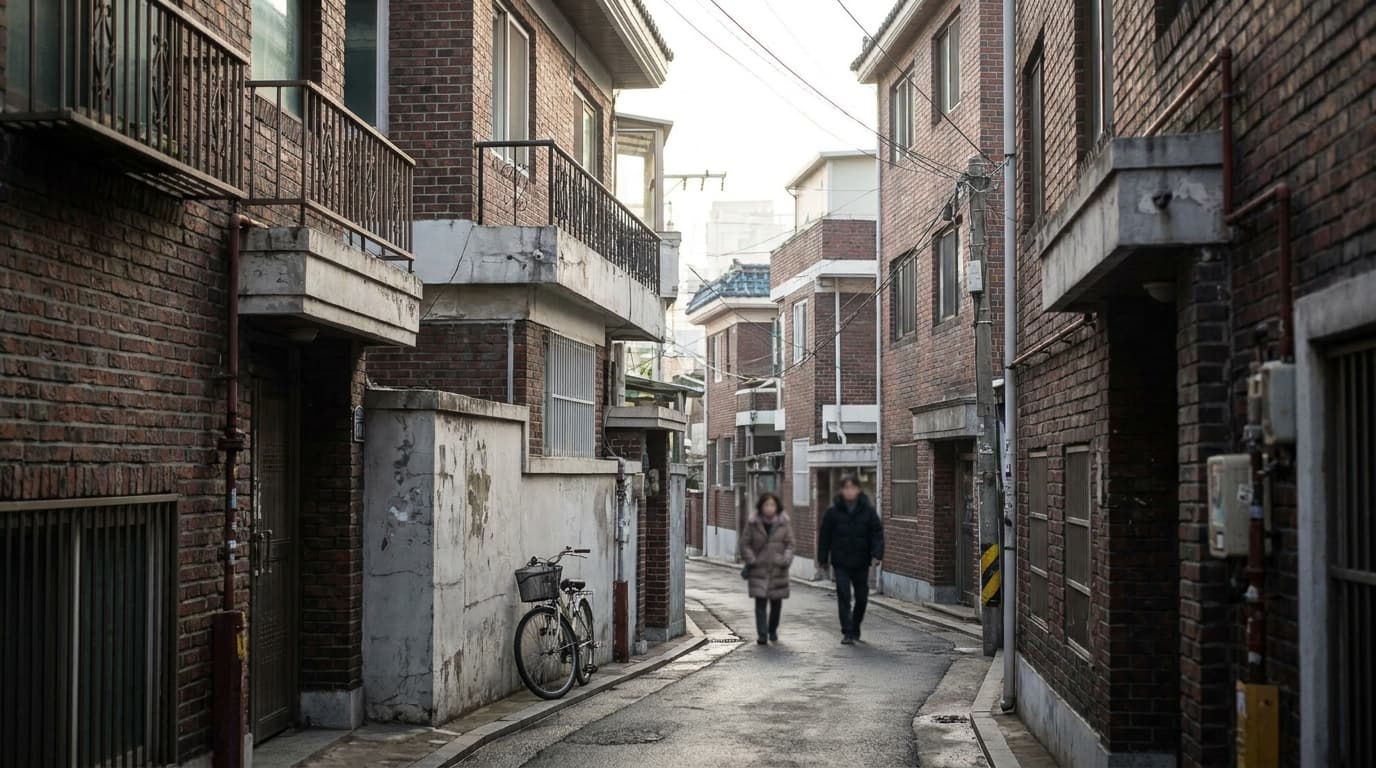
📍 Walk the streets within 10 minutes of a major subway station, especially near universities (Hongdae, Sinchon, Anam, Sillim, Noryangjin). Look for buildings with 고시원 or 고시텔 on the exterior — usually a vertical banner or a small lobby sign.
Online searches for "goshiwon near [neighborhood name]" in both English and Korean (고시원 + neighborhood) will surface local listing sites and building websites.
The Walk-In Visit
① Show up at the building and ring the lobby buzzer or speak to whoever's at the front desk. ② Ask to see a room — "방 볼 수 있어요?" (bahng bol su isseoyo?) means "Can I see the room?" Most staff will understand even basic English requests. ③ Check the bathroom situation (private or shared), window, Wi-Fi, and laundry before agreeing.
You can often sign up and move in the same day.
Documents You'll Need
The paperwork is refreshingly minimal:
- 💡 Passport — always required
- 💡 ARC (Alien Registration Card) — bring it if you have one, but many goshiwons don't require it for foreigners
💡 TIP: Download a translation app like Papago before you go. Staff at smaller buildings often have limited English, and being able to type a question and show the screen goes a long way.
Timing Your Search
High-foreigner-traffic goshiwons near universities fill fast — vacancy at popular locations lasts only 2–3 days. Peak arrival seasons are spring (March–May) and fall (September–October), when semesters start and new expats flood in. During those windows, start looking 1–2 weeks before you need the room.
Who Is a Goshiwon Actually Good For?
A goshiwon is genuinely excellent if you:
- 💡 Just arrived and need somewhere to land while apartment-hunting (the classic use case: 1–3 months)
- 💡 Are on a short work placement or language program
- 💡 Want to test a neighborhood before committing to a full lease
- 💡 Are budget-conscious and rarely in your room anyway
It's less ideal if you:
- 💡 Work from home full-time and need space and quiet
- 💡 Prioritize privacy or need room for guests
- 💡 Plan to stay longer than 6 months (at that point, a one-room apartment starts making more financial sense)
Contracts run month-to-month with roughly two weeks' notice to leave — which means you're never trapped, but also that your neighbors aren't either.
A Note on the Neighborhood Vibe
Seoul's goshiwon map has quietly shifted. What was once a last-resort housing type for exam-prep students and low-income tenants is now a legitimate first stop for Americans, Chinese, Japanese, and European residents navigating Korea's notoriously complex rental market. The buildings near Hongdae specifically have leaned into this — some feel closer to compact serviced apartments than the cramped study halls of the original concept.
Seoul saw 257 registered goshiwons in 2019, a pandemic-era drop to 61 in 2021, and a partial recovery to 125 by 2024. The market is smaller than it once was, but the buildings that remain are increasingly clean, foreigner-friendly, and surprisingly well-located.
Korea has a way of making even temporary feel like home — and a goshiwon, for all its modest square footage, tends to be where a lot of Seoul stories actually begin.