Share Houses in Seoul for Foreigners: What They Cost, Who They're For & How to Book One (2026)
Aug 21, 2026
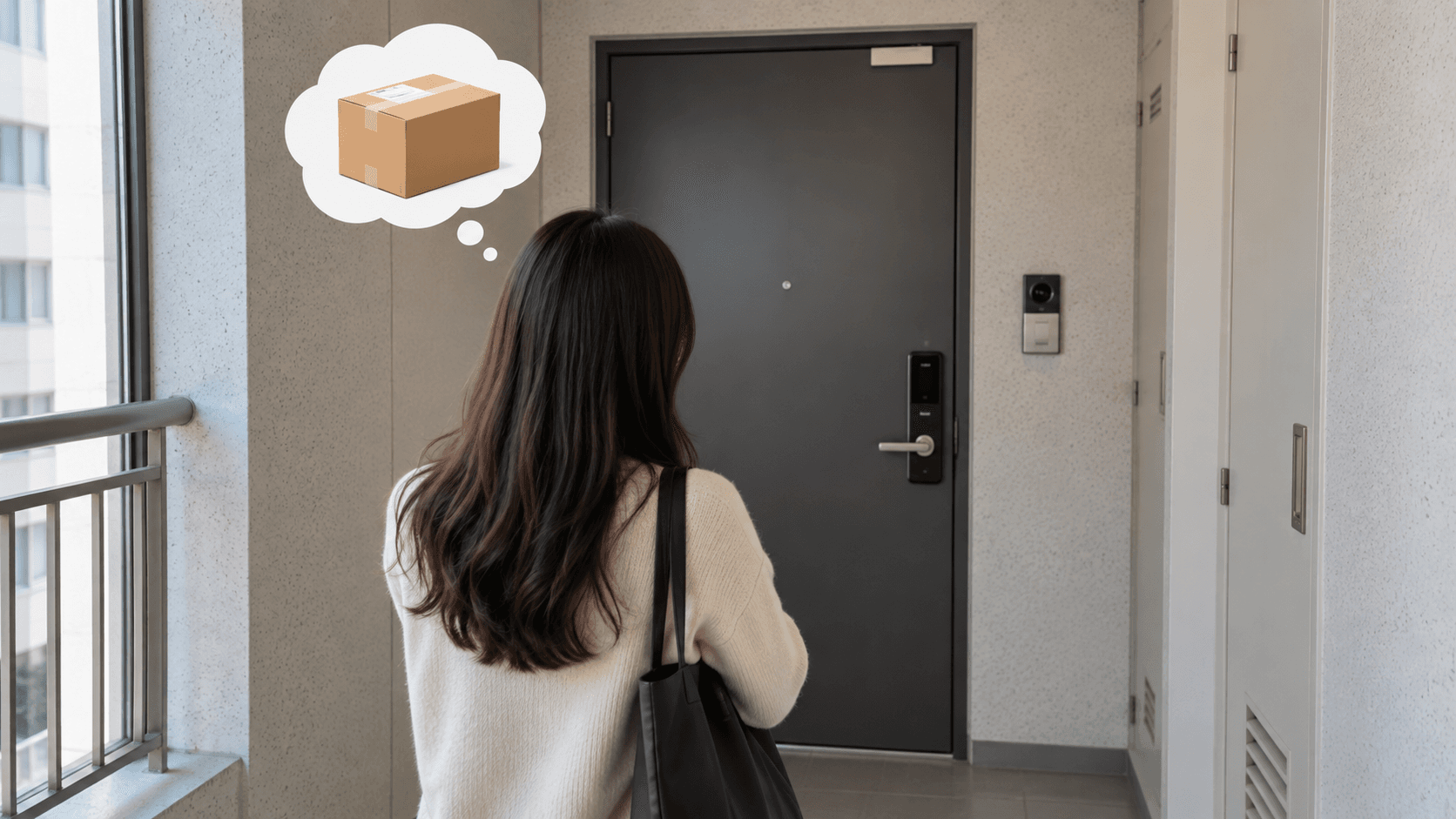
You've accepted the job offer, booked the flight, and suddenly realized you need somewhere to actually live — without a Korean guarantor, a mountain of deposit cash, or the ability to navigate a lease written entirely in Korean. Welcome to the moment that sends most newcomers straight to Seoul's share house market.
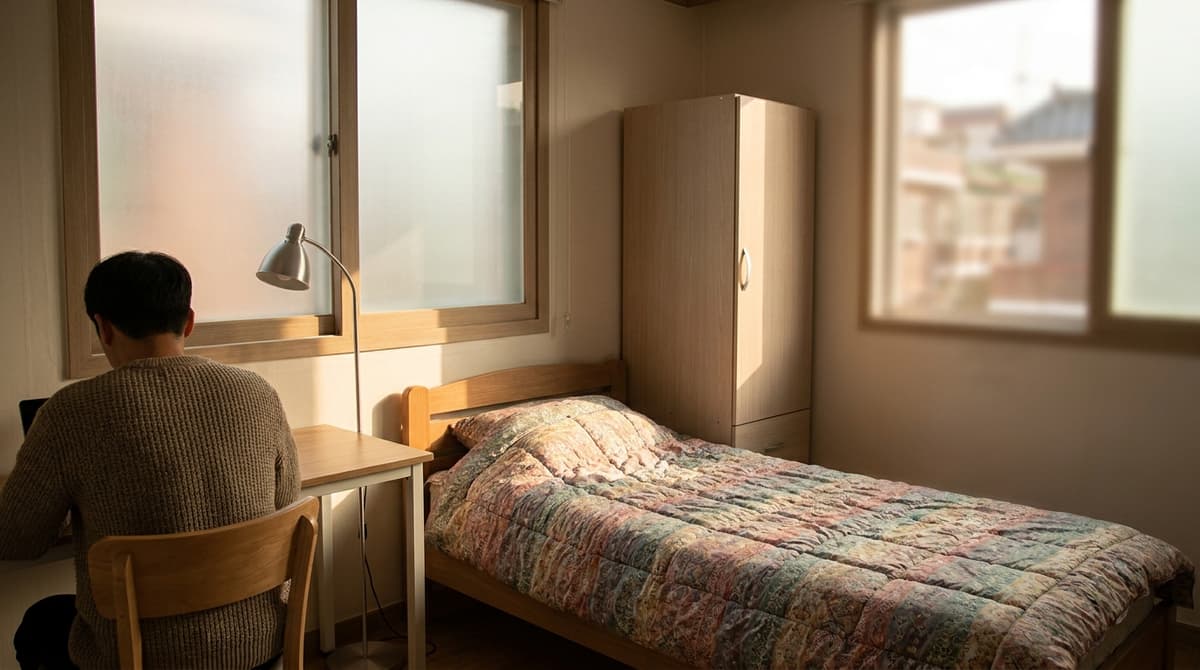
A share house (셰어하우스, shaeo hauseu) gives you a private furnished room with a lock on the door, a single all-inclusive monthly payment, and a much lighter financial commitment than a standard Korean lease. For most foreigners arriving in Seoul, it's the single most practical first move — and a genuinely good one.
What Is a Share House, Exactly?
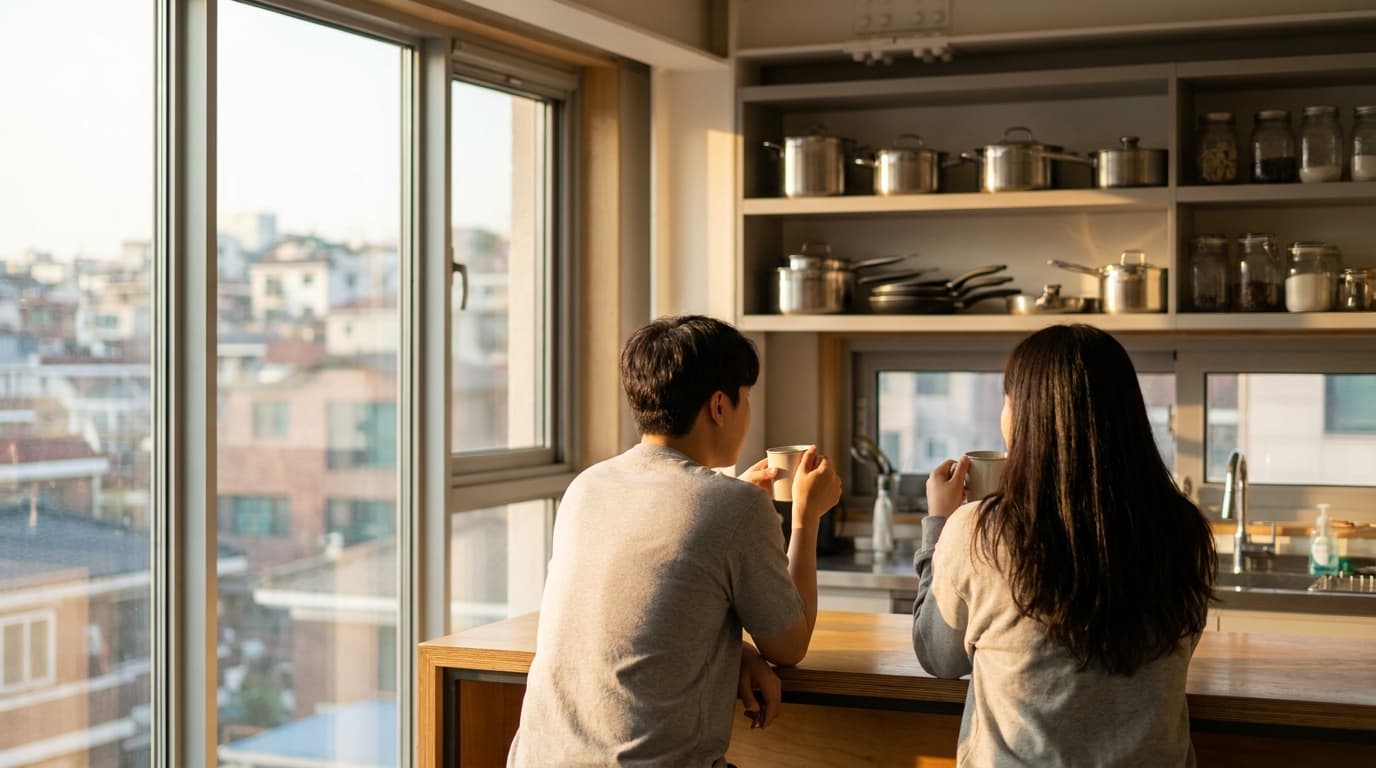
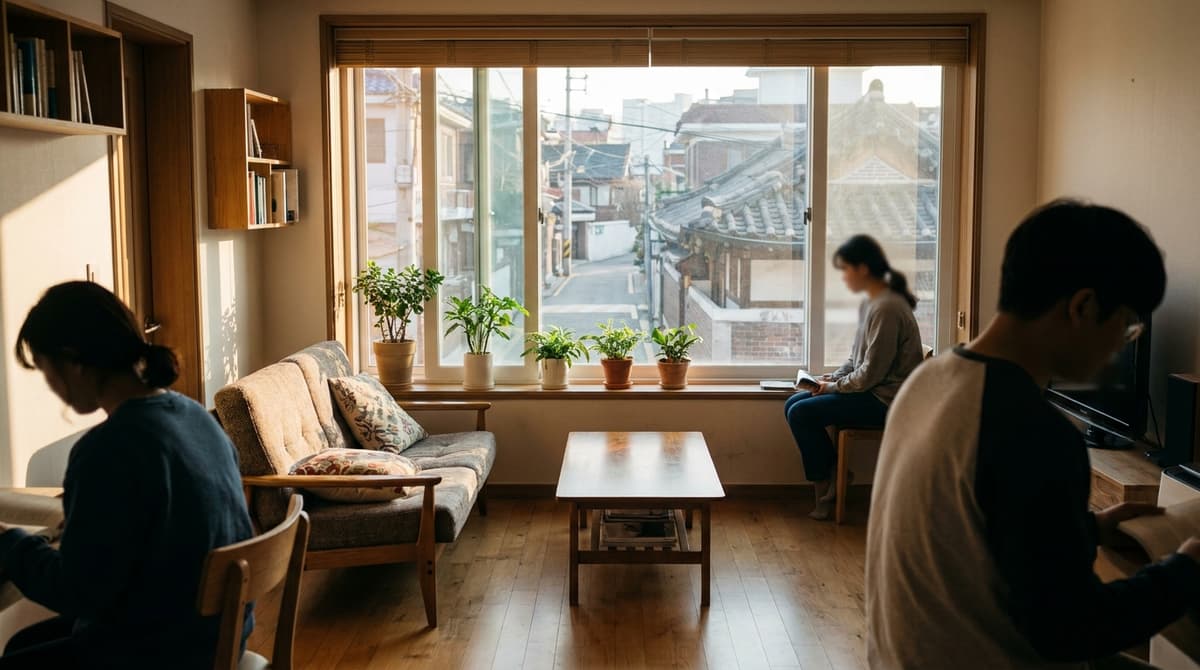
A Seoul share house sits somewhere between a private apartment and a hostel, but closer to neither than you'd expect. Think of it as a flat-share: you get your own furnished bedroom with a lock and storage, while the kitchen, living room, bathrooms, and laundry facilities are communal with a small group of other residents.
The Two Layouts You'll See
Most housing listings use one of two formats:
💡 Flat share — your own private bedroom, shared common areas. This is the standard type marketed to foreigners, and the one worth looking for.
💡 Room share — multiple people sleeping in the same bedroom. Less common in the expat market, and worth avoiding unless your budget is extremely tight.
The flat-share model gives you real privacy where it counts — your own locked space — while keeping costs low through shared infrastructure. Common areas are typically cleaned regularly by the operator, and basic supplies are often included on top of utilities.
What Does a Share House Cost in Seoul?
This is usually the first question, so here's the direct answer: expect to pay between 400,000 KRW (~$290 USD) and 1,300,000 KRW (~$950 USD) per month, all-inclusive, depending on location and room quality.
Most share houses bundle electricity, water, gas, heating, and Wi-Fi into that single monthly payment — no separate bills to set up, no Korean-language utility apps to wrestle with.
The Three Pricing Tiers
Basic— 400,000–600,000 KRW/month (~$290–$440 USD)
Older buildings or outer neighbourhoods, smaller rooms, functional but no frills.
Standard— 600,000–900,000 KRW/month (~$440–$655 USD)
Well-located properties, more modern interiors, the sweet spot for most foreigners.
Premium co-living— 900,000–1,300,000 KRW/month (~$655–$950 USD)
Central Seoul, newer buildings, stronger community programming and amenities.
💡 TIP: Central Seoul locations — think Mapo, Yongsan, Hongdae, or Itaewon — carry roughly a 20–30% premium over the same tier in outer neighbourhoods. If your commute is flexible, living one or two subway stops further out is often the fastest way to drop a full pricing tier.
What About the Deposit?
This is where share houses pull far ahead of standard Korean rentals. A typical Korean wolse (월세, monthly-rent) lease requires a deposit (jeonse or lump-sum security) that can run 10× or more of your monthly rent — often tens of millions of won up front.
Share house deposits are a fraction of that:
Short-term / flexible stays— 100,000–500,000 KRW (~$73–$365 USD)Standard monthly arrangements— 300,000–800,000 KRW (~$220–$585 USD)
Deposits are refundable and exist to cover potential damage or early departure — not to tie up your savings for two years.
Who Are Share Houses Actually For?
Share houses aren't for everyone — but for a specific slice of Seoul's foreign population, they're close to ideal.
The Foreigners Who Benefit Most
① Expats in their first 6–18 months — before you know which neighbourhood you want to live in long-term, before you have a Korean bank account and credit history, and before you can confidently sign a two-year lease in Korean.
② Exchange and international students — semester-length contracts fit the academic calendar, and the all-inclusive billing makes budgeting straightforward.
③ Digital nomads and working-holiday visa holders — flexible contract lengths (from one week to several months) match an itinerant schedule without locking you into anything.
④ Anyone relocating from abroad — operators targeting the expat market typically provide English support, video walkthroughs of rooms before you book, and address documentation you can use for your ARC (Alien Registration Card) application — meaning you can sort your legal residency paperwork without a separate address.
The Trade-Off Worth Knowing
The honest limitation is privacy. Sharing a kitchen and bathroom with people you didn't choose is genuinely different from having your own unit. Most residents adapt quickly, and many find the built-in social layer useful when they're new to the city — but if you work from home full-time and value silence above all else, it's worth factoring in.
💡 TIP: If you're unsure, book a short-term stay of two to four weeks first. Most operators allow easy extension, so you're not committed to anything you can't exit gracefully.
How to Book a Share House Before You Land
One of the genuine advantages of the share house model is that the whole process is designed to work remotely — you don't need to be in Seoul to secure a room.
The Standard Booking Process
① Find listings on international housing platforms or Korea-specific co-living sites. Operators targeting foreigners typically post in English with photos, virtual tours, and clear pricing.
② Create a profile and submit documentation — usually a copy of your passport and visa (or visa approval letter if you're still abroad), and sometimes a short written or video interview.
③ Pay the deposit and first month's rent online to confirm your reservation. Your room is held from that point.
④ Receive your address for ARC and bank account purposes — most expat-focused operators issue this documentation as part of the onboarding process.
📍 Confirmation typically comes within a few days, and move-in is coordinated by the operator, often with flexible arrival times that account for international flights.
Contract Flexibility
Share house contracts run from one week to several months, with most residents settling into monthly rolling arrangements. Early departure is generally possible — that's what the refundable deposit partially covers — and extensions are usually straightforward to negotiate directly with the operator.
This is a meaningful contrast to Korea's standard residential lease, which runs one to two years and involves significant financial penalties for early exit.
One Last Thing Before You Sign Anything
Read the house rules. Every share house operates differently — some have quiet hours, some have policies on guests, some rotate cleaning duties for common areas even when a cleaner comes weekly. Operators who target the expat market will have these in English, and asking upfront about expectations is always worth the five minutes.
Seoul's share house market exists precisely because the standard Korean housing system is hard to enter without local roots. It's not a compromise — for most people arriving fresh, it's genuinely the right first chapter.
Living in Seoul teaches you quickly that the city rewards flexibility. Starting with a share house is exactly that kind of smart flexibility — a way in, not a step down.
Looking for more guidance on finding housing in Seoul as a foreigner?
Browse our guides on choosing a good room in Korea and ARC registration at blog.homesinkor.com — written by people who've actually navigated all of it.