Liberation Day in Korea 2026: What Gwangbokjeol Means, What's Open & the Best August 15 Events in Seoul
Jul 20, 2026
Step outside on the morning of August 15th in Seoul and something in the air feels different — balconies draped in red, blue, and white flags, ceremonies humming from TVs in open shop fronts, and a quiet but unmistakable sense of collective memory settling over the city.
Gwangbokjeol(광복절, literally "the day the light returned") is South Korea's National Liberation Day, observed every August 15th to mark the end of 35 years of Japanese colonial rule in 1945. In 2026, it falls on a Saturday — making it a meaningful long weekend. Whether you're a longtime expat, a new arrival, or an international student curious about the culture around you, here's everything you need to know.
What Is Gwangbokjeol — And Why Does It Matter So Much?
The Name Says Everything
The word Gwangbokjeol breaks down into three Chinese-origin characters used in Korean: gwang (光, light), bok (復, return), and jeol (節, holiday). Put them together and you get something far more poetic than a typical national day name — "the holiday on which the light returned."
That metaphor isn't accidental. During Japan's occupation of the Korean peninsula from 1910 to 1945, Korean language instruction was suppressed, names were forcibly changed to Japanese ones, cultural practices were restricted, and hundreds of thousands of Koreans were subjected to forced labor and military conscription. Independence movements — most famously the Samil Undong (삼일운동, the March 1st Movement) of 1919 — kept the flame of resistance alive for decades, even as liberation remained out of reach.
When Japan announced its surrender to Allied forces on August 15, 1945, ending World War II, it also ended 35 years of occupation on the Korean peninsula. For Koreans, this wasn't just a geopolitical event — it was the restoration of identity, language, and sovereignty.
2026: The 81st Anniversary
In 2026, Gwangbokjeol marks the 81st anniversary of liberation. As a foreigner living here, understanding this weight helps you read the room correctly — this is simultaneously a day of joyful national pride and solemn remembrance, not unlike how other nations observe days tied to hard-won freedom.
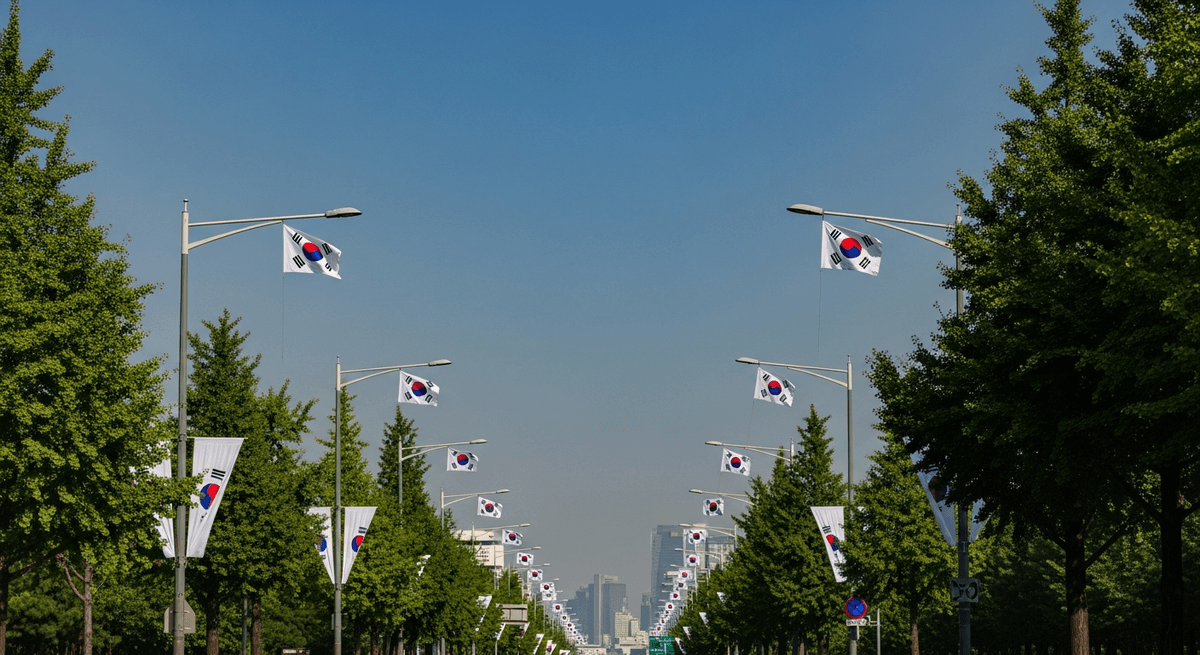
💡 TIP: In the days around August 15th you'll see banners reading 경축 광복절 (gyeongchuk Gwangbokjeol, "celebrating Liberation Day") on buildings and streetlamps across the city — now you'll know exactly what they say.
2026 Calendar: Holiday & Long Weekend Details
In 2026, August 15th falls on a Saturday — and here's the good news: because Liberation Day landed on a weekend, Monday, August 17 is an official substitute holiday (대체공휴일, daeche gonghyuil). That makes this a confirmed three-day weekend:
📍 Saturday, August 15 — Gwangbokjeol (the holiday itself)
📍 Sunday, August 16 — weekend
📍 Monday, August 17 — substitute public holiday (banks, offices, and government services closed)
💡 TIP: A confirmed three-day weekend in peak summer means everyone travels. If you're planning to leave Seoul, book KTX tickets and accommodation well in advance — coastal routes sell out days ahead.
How Koreans Celebrate Gwangbokjeol
Taegukgi Everywhere
The most visible sign of the holiday is the Taegukgi (태극기, the Korean national flag) — hanging from apartment windows, storefronts, government buildings, and strung across streets. Many neighborhoods take on a genuinely festive appearance. As a foreigner, you're not expected to display a flag, but noticing and appreciating the gesture is part of living respectfully in Korea.
Official Ceremonies
A formal government ceremony is held each year, typically broadcast live on national television. It includes flag-raising, speeches by government officials, and performances honoring independence movement figures. You don't need to attend in person to feel it — switch on any major Korean TV channel in the morning and you'll catch it.
Museum Exhibitions & Historical Sites
Gwangbokjeol is one of the best days of the year to visit Korea's independence-related cultural sites. Many institutions offer free admission on this day and mount special exhibitions.
Key sites worth visiting in Seoul:
📍 Seodaemun Prison History Hall (서대문형무소역사관) — A former Japanese colonial-era prison where independence activists were imprisoned and executed. One of the most emotionally significant sites in Seoul, and typically very busy on August 15th.
📍 Independence Hall of Korea (독립기념관) — Located in Cheonan (about 90 minutes from Seoul by train), this is the country's most comprehensive museum dedicated to the independence movement. Expect large crowds.
📍 Gyeongbokgung Palace (경복궁) — The symbolic heart of Joseon-era Korea. Flag ceremonies and cultural performances are often held in or near the palace grounds.
💡 TIP: Arrive at popular historical sites early — by 9 or 9:30 a.m. Lines form fast on this holiday, and August heat in Seoul is serious business (think 32–36°C / 90–97°F with high humidity).
Gwanghwamun Square: The Heart of the Day
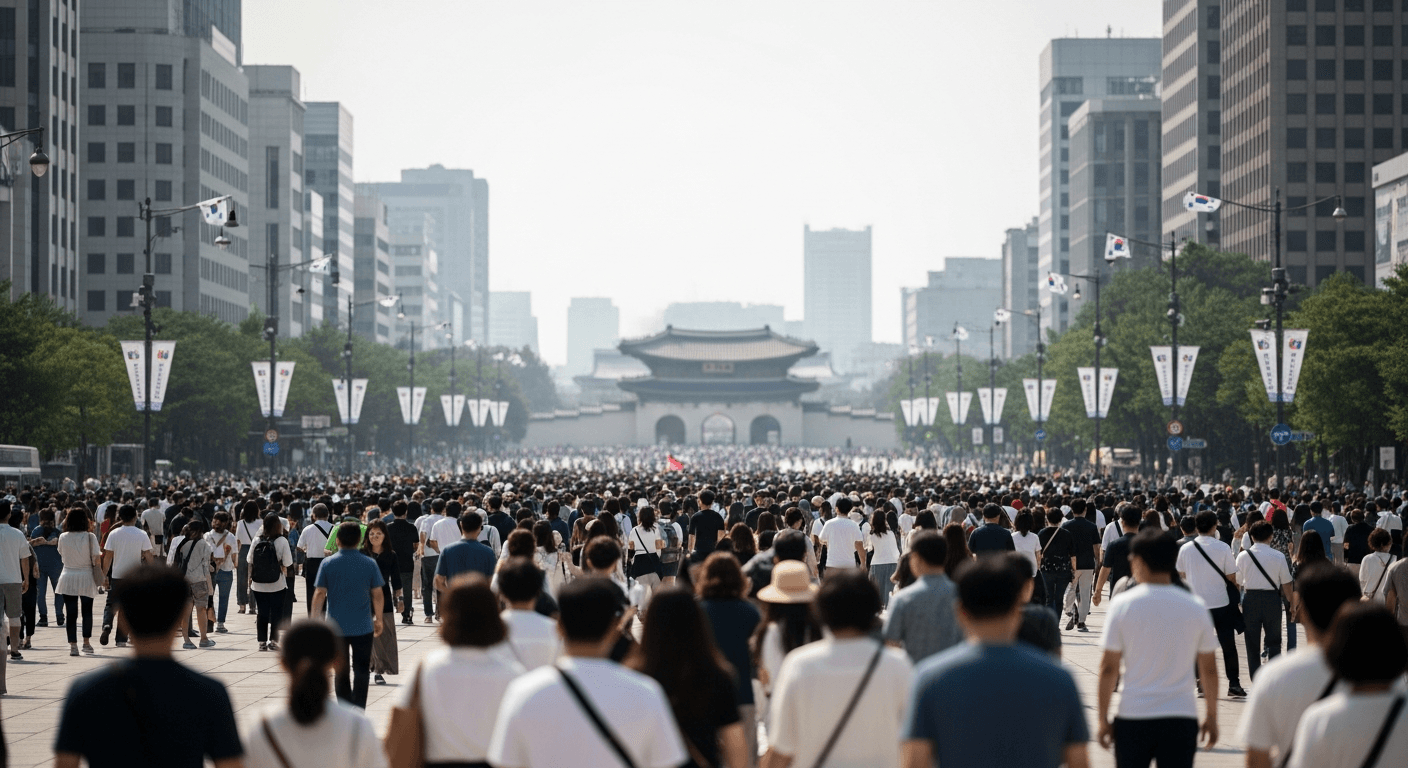
If you only have time for one place on August 15th, make it Gwanghwamun Square (광화문광장). This is the symbolic center of the holiday — the plaza sits on Seoul's historic axis, framed by Gyeongbokgung Palace and the statues of King Sejong and Admiral Yi Sun-sin, and in recent years it has hosted large-scale Taegukgi installations, exhibitions, and evening cultural performances around Liberation Day.
📍 Getting there: Gwanghwamun Station (Line 5), Exit 9 — you'll surface directly onto the square
💡 Come twice if you can: daytime for the flag displays and exhibitions, and again after sunset when the summer heat breaks and the square fills with families
💡 Specific 2026 programming (concerts, light shows) is usually announced by the Seoul city government in early August — check the Visit Seoul site or the square's notice boards that week
Community events, outdoor concerts, and cultural performances also pop up in parks and public squares across the city throughout the long weekend.
Practical Tips for August 15th in Seoul
What's Open, What's Closed
Gwangbokjeol is a national public holiday, which means:
Open: Most convenience stores (CU, GS25, 7-Eleven), many restaurants, tourist attractions, and shopping malls typically operate, though hours may vary
Open (often free): Major national museums and historical sites — confirm free admission for 2026 closer to the date
Closed: Government offices, banks, post offices, and many smaller local businesses
💡 TIP: If you need to run errands or handle paperwork, do it before August 15th. Don't assume your usual services will be running normally.
Surviving the August Heat
August 15th sits squarely in the peak of Korean summer — hot, humid, and often hazy. If you're attending outdoor ceremonies or standing in line at historical sites:
💡 Bring a portable fan or small towel
💡 Stay hydrated — convenience stores will be your best friend
💡 Wear light, breathable clothing and sunscreen
💡 Plan indoor portions of your day around the hottest midday hours (noon–3 p.m.)
Navigating the Crowds
📍 Seoul's subway system runs on the holiday — a reliable way to avoid road congestion
💡 Popular sites like Seodaemun Prison and Gyeongbokgung will be crowded; if you prefer a quieter experience, visit smaller local exhibitions or neighborhood events instead
💡 If you're heading out of Seoul, check KTX (고속철도, Korea's high-speed rail) availability early — seats sell out fast over long weekends
A Note on the Tone of the Day
It's worth saying clearly: Gwangbokjeol is not a subdued, mournful occasion — Koreans celebrate it with genuine national pride and joy. But it carries historical weight that's still very present in Korean society. Conversations about the colonial period, independence activists, and unresolved historical questions with Japan remain meaningful and sometimes sensitive.
As a foreigner, the best approach is simply to be curious and respectful. Ask questions, visit the exhibitions, and let the day teach you something. Koreans generally appreciate when visitors take an interest in understanding — not just observing — the country they've chosen to call home.
The flags on your neighbor's balcony, the ceremony on the morning news, the long lines at Seodaemun Prison — on August 15th, Korea isn't putting on a performance for visitors. It's remembering out loud, together, the day the light came back.
Explore more about living in Korea:
🏠 Browse housing guides, expat tips, and neighborhood breakdowns at blog.homesinkor.com
Have questions about navigating Korean public holidays as a foreigner? Drop them in the comments below — we read every one.