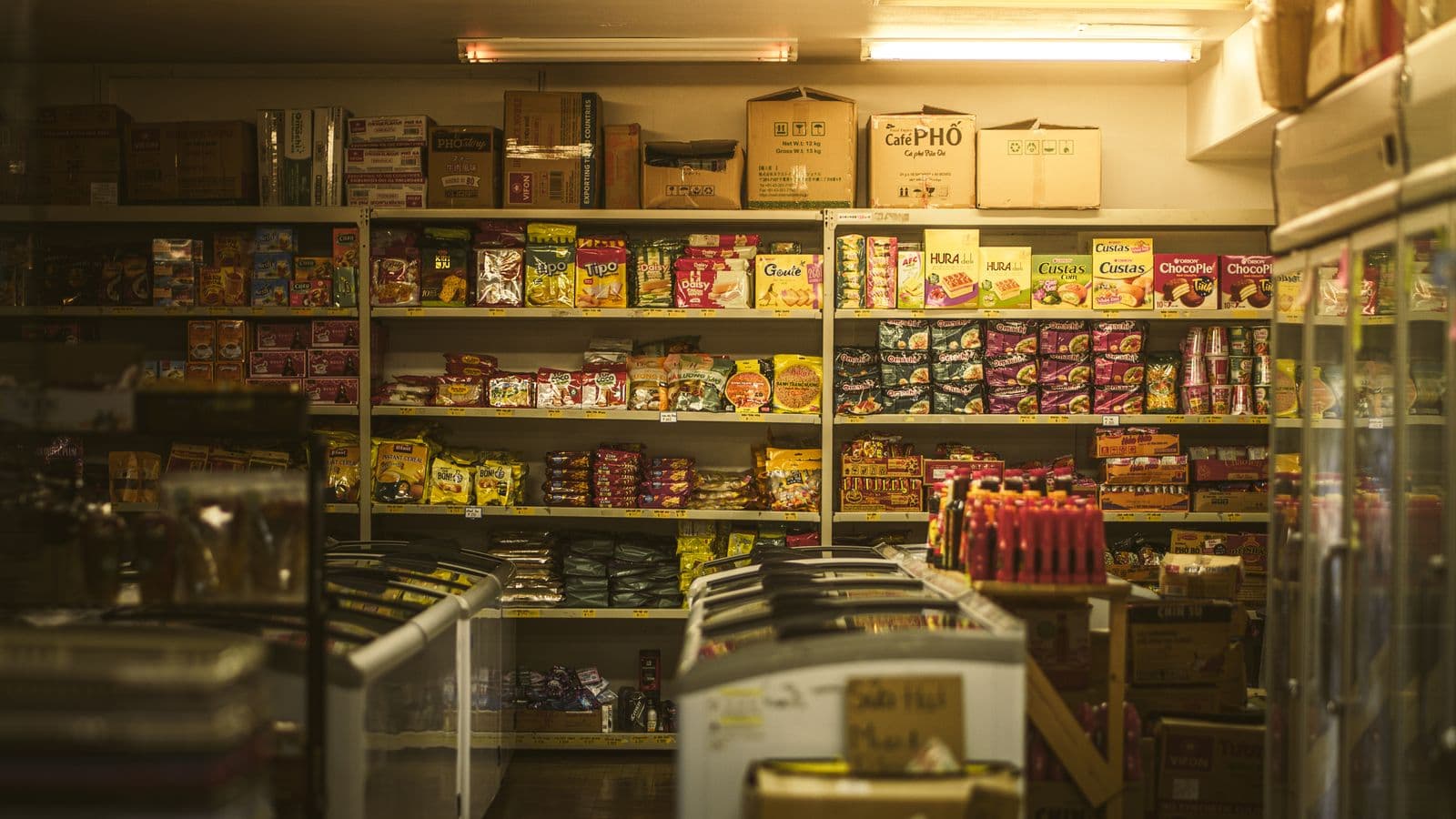
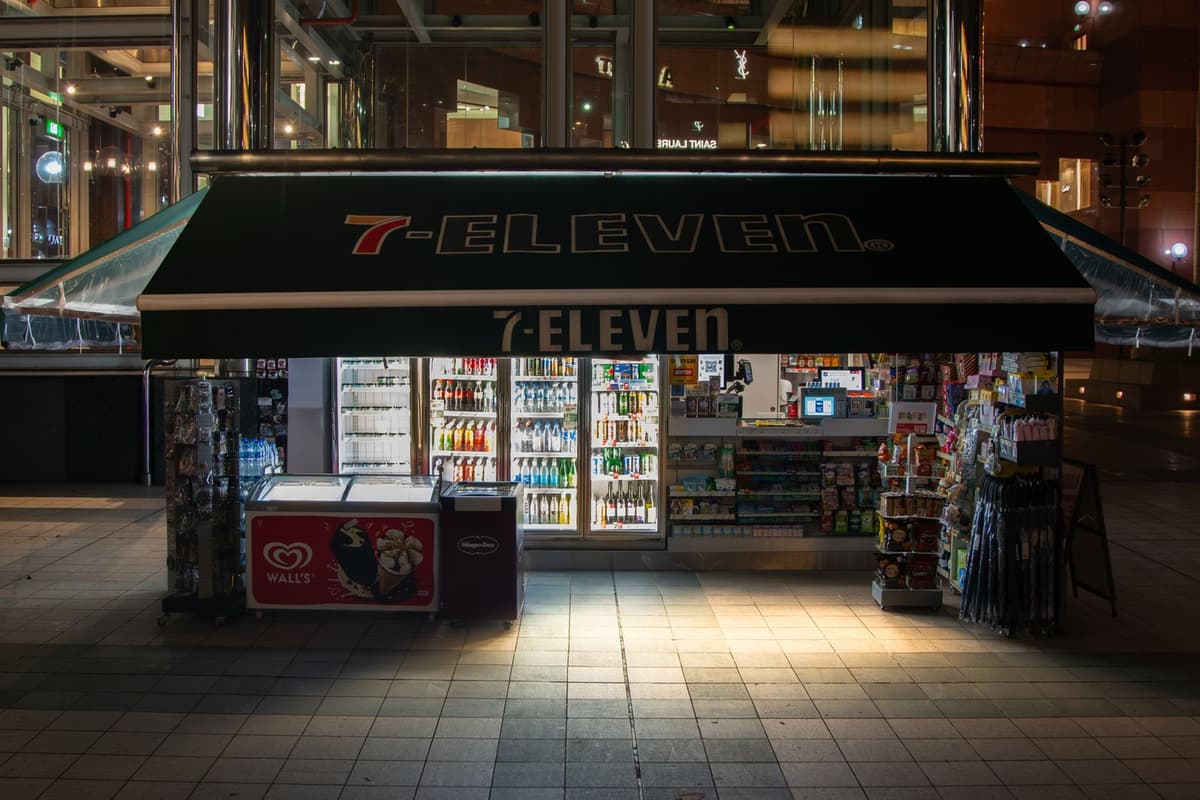
In your first week in Korea you'll probably walk into a convenience store (편의점, pyeonuijeom) more times than you can count. GS25, CU, 7-Eleven and emart24 seem to be on every block, lots of them are open 24 hours, and most visitors think of them as a place to grab snacks.
Once you actually live here, though (in a goshiwon, a one-room or an officetel), the Korean convenience store handles a surprising amount of life admin. You can send a parcel, buy the right trash bags, get fever medicine at 2 a.m. or top up your transit card. This guide covers what you can realistically do there and where the limits are.
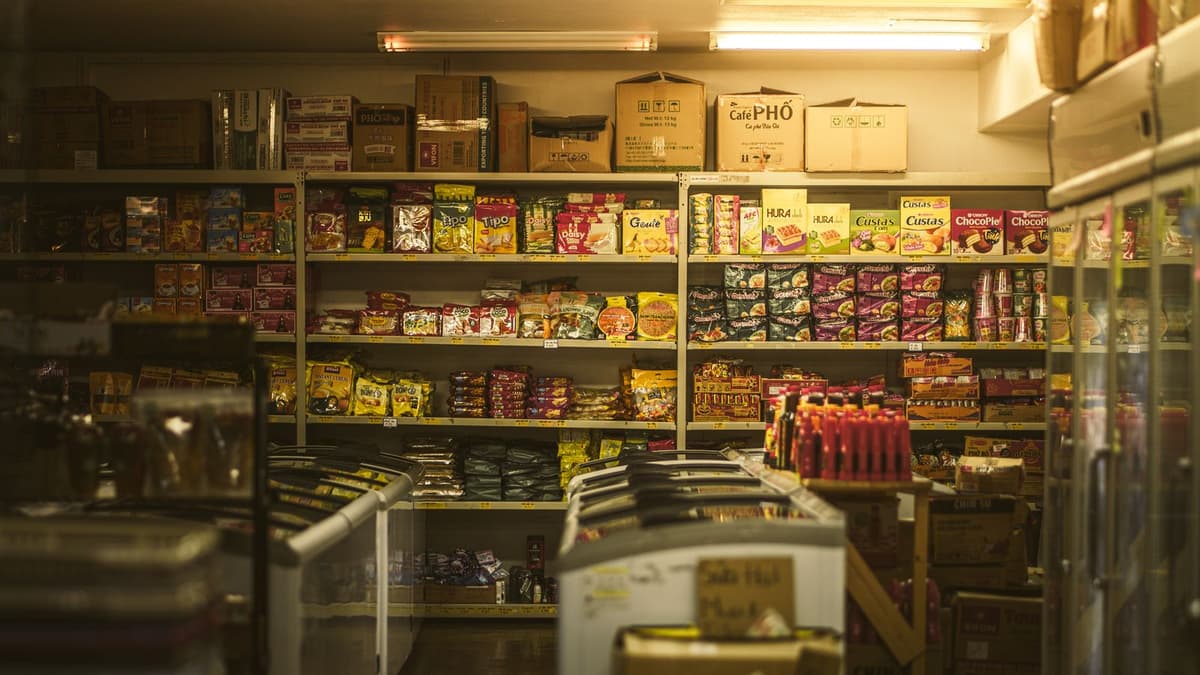
💡 Services vary by chain and even by branch. A big 24-hour store near a university might do everything on this list, while a tiny kiosk inside a subway station might only sell drinks. If you need something specific, ask the staff. A simple "이거 돼요?" (igeo dwaeyo?, "Can I do this here?") works well.
1. Buy the Things Your Apartment Actually Needs
For your day-to-day housing needs, this is where the convenience store really pays off. Here's what people living here end up buying most often.
- Volume-based trash bags (종량제 봉투, jongnyangje bongtu): In most of Korea, general waste has to go out in official paid bags. Convenience stores in residential areas usually sell them, but they're often kept behind the counter, so you have to ask. Bags are issued by district (구, gu), so a bag bought in one district may not be accepted in another. Buy them near where you live, and pick a size you'll fill within a few days so nothing starts to smell.
- Food waste supplies: Food waste rules depend on your district and sometimes your building. Some places use dedicated bags, some use stickers, and some have chip-card bins. Ask your landlord or building manager how it works first, then see whether the nearby store carries what you need.
- Emergency household items: Batteries, phone chargers and cables, tissues, toilet paper, toothbrushes, razors, basic skincare, socks, tights and underwear are usually in stock. Don't expect hardware like light bulbs or extension cords at every store.
- Umbrellas: Korean summer rain and sudden showers come with almost no warning. Stores seem to know this, and clear plastic umbrellas show up by the door as soon as it starts raining.
📍 If you're still choosing a place, check how close the nearest 24-hour convenience store is. It sounds minor until it's 11 p.m., your bin is full and you have no trash bags. You can compare neighborhoods and listings on the Homes in Korea map.
2. Send and Pick Up Parcels Without the Post Office
Convenience-store delivery (편의점 택배, pyeonuijeom taekbae) is one of the most useful services for foreigners. It's handy when you're moving out, selling something secondhand or sending a forgotten charger to a friend across town.
Sending within Korea
Most major chains let you send domestic parcels from the store. It usually goes like this:
- Register the shipment: Many chains want you to enter the details in their app or on an in-store kiosk first. You'll need sender and recipient names, Korean phone numbers and addresses. Copying the recipient's address from Naver Map or Kakao Map saves you from typos.
- Pack it yourself: Bring the item already boxed and taped. Some stores sell basic boxes, but don't count on it.
- Weigh and pay at the counter: Staff weigh the parcel, attach the label and take payment. The price depends on size, weight and service type, and the kiosk or app shows it before you pay.
- Keep the tracking number: Your receipt shows a waybill number (송장번호, songjang beonho). Send a photo of it to the recipient.
Store-to-store delivery
Several chains offer a cheaper service where your parcel goes from one store to another store of the same brand. GS25 calls its version "half-price delivery" (반값택배, bangap taekbae), and CU has a similar service (알뜰택배, altteul taekbae). It takes longer than regular courier delivery, and the recipient has to pick it up at a store of the same chain. It's very popular for Danggeun (당근) secondhand trades.
Picking up parcels
Some online shops and delivery services let you choose a convenience store as a pickup point (편의점 픽업). That helps if your building has no safe spot for packages or you're rarely home during the day. Look for the option at checkout.
💡 Some chains offer international shipping, but availability and partners change. If you're sending boxes home, the post office (우체국, ucheguk) is still the more reliable option.
3. Money Tasks: Top-Ups, ATMs, Bills and Gift Coupons
A lot of small money tasks can be done at the counter.
- T-money top-ups (교통카드 충전): You can buy a T-money card and add balance at the counter. Top-ups are usually cash only, so carry a few bills. We cover the card itself in our T-money guide on the Homes in Korea blog.
- ATMs: Many stores have an ATM, but it's often run by a third-party operator, not a bank. Fees tend to be higher than at your own bank's machines, and not every ATM accepts foreign cards. Look for a sticker mentioning foreign cards or "Global ATM," and check the fee on screen before you confirm.
- Paying some bills: Some bills with a barcode can be paid at the counter in some stores. Whether it works depends on the bill and the chain, so ask if you're stuck. Long term, online banking or auto-pay is easier.
- Gifticons (기프티콘): Koreans send small gifts through KakaoTalk all the time, like a coffee, a cake or a convenience-store voucher. If someone sends you one for GS25 or CU, show the barcode at the counter. Check the expiry date, because they do expire.
- Mobile pay and memberships: Most stores take Korean cards, many foreign cards, and mobile payments like Kakao Pay, Naver Pay and Samsung Pay. Your phone carrier or the chain's app may give you discounts or points. Ask "할인 돼요?" (harin dwaeyo?, "Is there a discount?") if you have a membership.
4. Late-Night Medicine and Health Basics
Pharmacies close in the evening, and many close on Sundays and holidays. To cover the gap, Korea allows registered 24-hour convenience stores to sell a short list of household medicines (안전상비의약품, anjeon sangbi uiyakpum).
- What you'll usually find: Fever and pain relievers (such as acetaminophen tablets), cold medicine, digestive aids and pain-relief patches. They're often kept near or behind the counter, so ask if you don't see them.
- The limits: The selection is small, you can only buy limited quantities at once, and staff can't give medical advice. Some stores don't sell medicine at all.
- Other useful things: Bandages, face masks, hand cream, lip balm, electrolyte drinks, hangover drinks (숙취해소제, sukchwi haesoje) and, in winter, hand warmers.
💡 Convenience-store medicine is for a mild cold or a headache. For anything more serious, see a doctor. Our guide to clinics, pharmacies and costs for foreigners is on the Homes in Korea blog.
5. Eat a Real Meal (and Use the Store as Your Kitchen)
Yes, this part is about food, but it's more than snacks. When your one-room kitchen is tiny or it's the end of the month, knowing how to eat at a convenience store is a real survival skill.
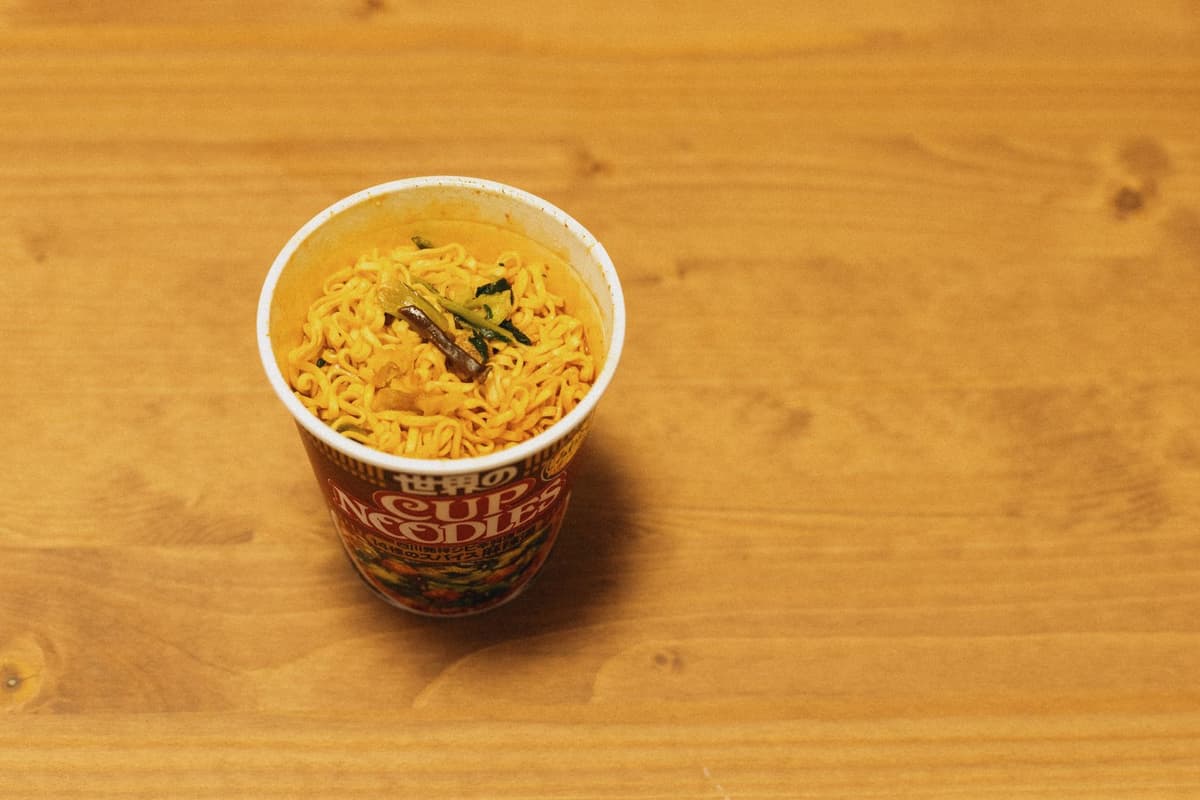
- Lunch boxes (도시락, dosirak): Rice, a main dish and side dishes in one tray. Heat it in the microwave near the counter. The heating time is usually printed on the label.
- Hot water for ramyeon: Most stores have a hot water dispenser. Peel the lid back to the marked line, fill the cup to the line inside and wait a few minutes.
- Eating area: Many stores have a small counter or table, and some put plastic chairs outside in warm weather. Clean up after yourself: leftover soup goes in the liquid bin or sink if there is one, and everything else goes in the right trash slot.
- 1+1 and 2+1 deals: Look for stickers that say 1+1 (buy one, get one) or 2+1. Deals change regularly, often every month, and you can usually mix flavors within the same promotion.
- Apps and delivery: The big chains have their own apps, and many stores are also on delivery apps like Baemin. Some let you reserve items for pickup. Minimum orders and delivery fees depend on the store.
6. SIM Cards, Alcohol and Other Things to Know
- Budget SIM cards: Some stores sell USIM packages from budget carriers (알뜰폰, altteulpon). Buying the card is easy, but activating it requires ID verification. Before you pay, check whether the plan accepts a passport or only an Alien Registration Card (ARC).
- Alcohol and cigarettes need ID: Korea's age limit for buying them is 19, and staff check ID if you look young. Bring your passport or ARC, because a foreign driver's license may not be accepted.
- Bags: Many stores no longer hand out free plastic bags. Bring a tote, or expect to pay a small amount for a bag.
- Printing and copying: A few stores have self-service printers, but most don't. For printing documents, a print shop (인쇄소) or a study cafe is usually a better bet.
- Restrooms: Most small stores don't have a customer restroom, so don't count on one.
Phrases That Make Every Visit Easier
Staff are used to foreign customers, and pointing works fine. These phrases still make things smoother:
- 봉투 주세요 (bongtu juseyo): "A bag, please."
- 종량제 봉투 있어요? (jongnyangje bongtu isseoyo?): "Do you have trash bags?" Add the size you want, for example 10리터 (10 liters) or 20리터 (20 liters).
- 택배 보내려고요 (taekbae bonaeryeogoyo): "I'd like to send a parcel."
- 티머니 충전해 주세요 (timeoni chungjeonhae juseyo): "Please top up my T-money." Hand over the card with your cash.
- 영수증 주세요 (yeongsujeung juseyo): "Receipt, please." Always ask for one when you send a parcel.
Once you know what your local store can do, it becomes one of the most useful places in your neighborhood. When you're looking at a new place, check where the closest one is. Find a home on the Homes in Korea map, with a convenience store just around the corner.