
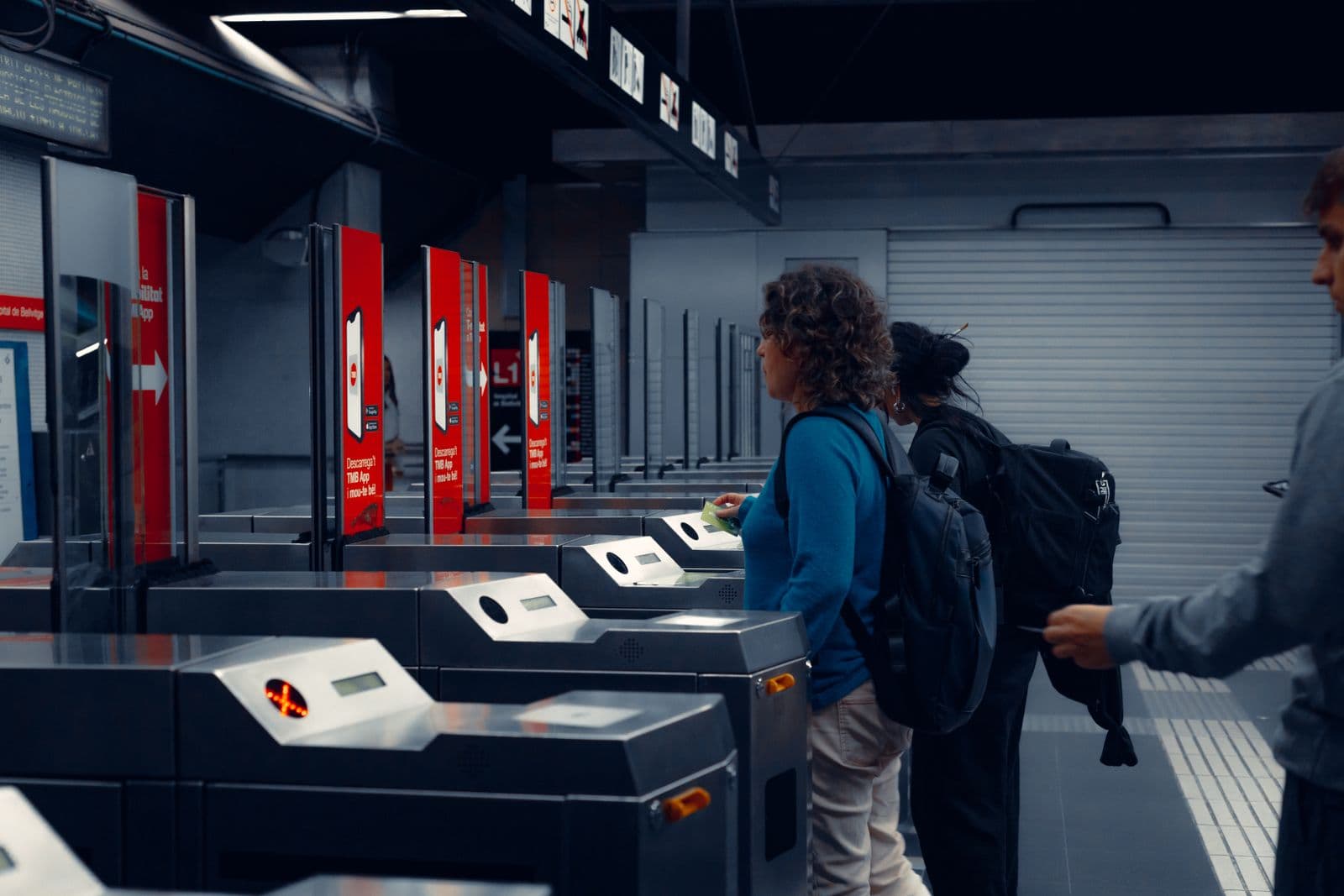
Your first week in Seoul, you'll probably take more subways and buses than you have in a whole year back home. The good news: public transit here is cheap, clean, and easy to use once you have the right card. The less good news: nobody explains the small rules, like tapping out on the bus, and those are exactly the ones that cost you money.
This T-money card Seoul guide is for students, exchange students, interns and expats who actually live here, not tourists passing through. We'll cover how to get a card, how transfers work, how to charge it, and how to work out whether an unlimited monthly pass is worth it for your commute.
What T-money is (and where to buy one)
T-money (티머니) is a prepaid transit card. You load money onto it, then tap it on a reader when you board the subway, bus or even a taxi. It works across Seoul and the surrounding Gyeonggi and Incheon areas, and in many other cities around Korea too.
You can buy one in two main places:
- Convenience stores: GS25, CU, 7-Eleven and emart24 almost all sell them at the counter. Just say "T-money card, please" or show the word 티머니 on your phone.
- Subway stations: Many stations have card vending machines with an English menu, usually near the ticket gates.
The card itself costs a few thousand won (cute character designs cost more), and it usually comes with a zero balance. The card fee is not refundable, so it's a one-time purchase. Don't throw it away after your first month.
💡 If you just landed and don't have Korean cash yet, look at prepaid cards for foreigners like WOWPASS, which include a T-money function and can be loaded with foreign currency at their kiosks. Once you're settled, a plain T-money card or a Korean bank card is usually simpler.
GEMİ KAMERA SİSTEMİ İLE TAKİP EDİLMEKTEDİR THIS VESSELS ARE MONITORED BY CAMERA SYSTEM Restricted Area Authorized Personnel only
Tap in, tap out: how fares and free transfers work
This is the part that saves you real money. Seoul uses a distance-based fare system with free transfers between buses and the subway, but only if you tap your card the right way.
At the time of writing, the basic adult card fare is about ₩1,550 (about $1.10) for the subway and about ₩1,500 (about $1.10) for a regular blue or green city bus. Fares do go up every few years, so check the current fare on the station machine or the bus fare board. Longer trips add a small extra charge based on distance.
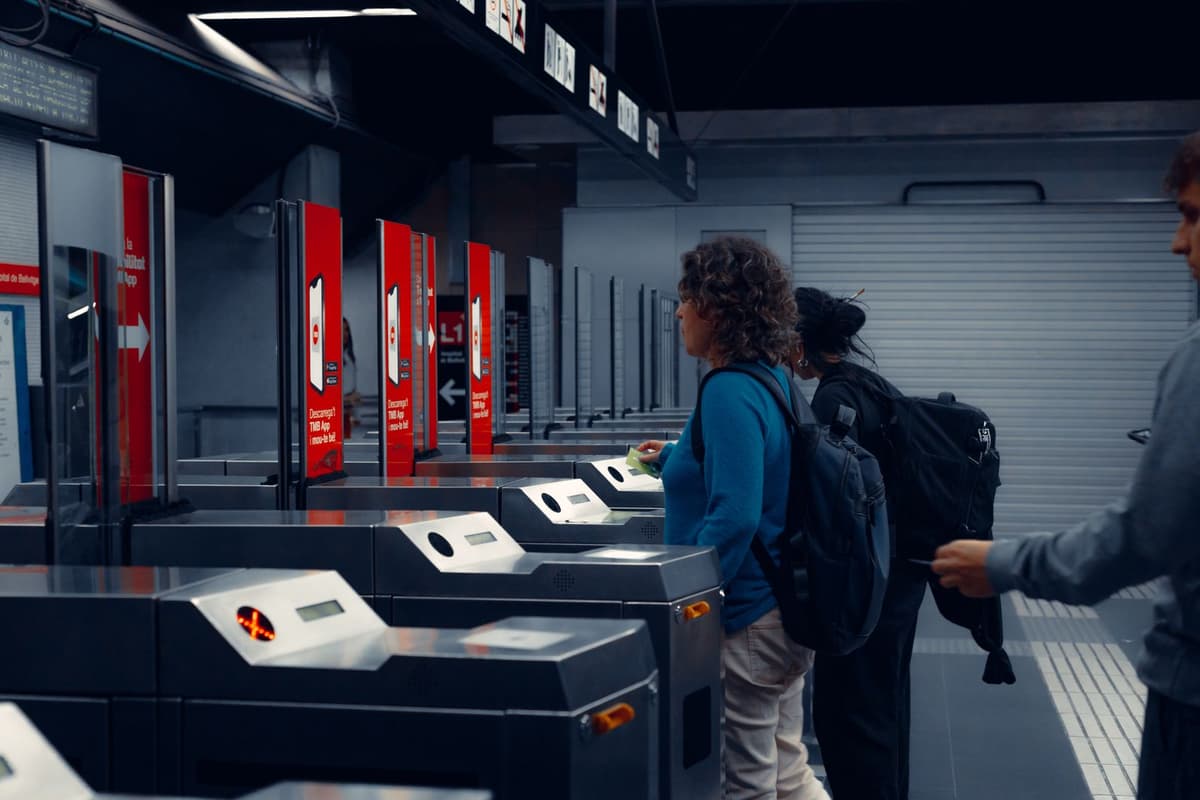
- Subway: Tap in at the gate and tap out at your destination. You have to tap out anyway or the gate won't open.
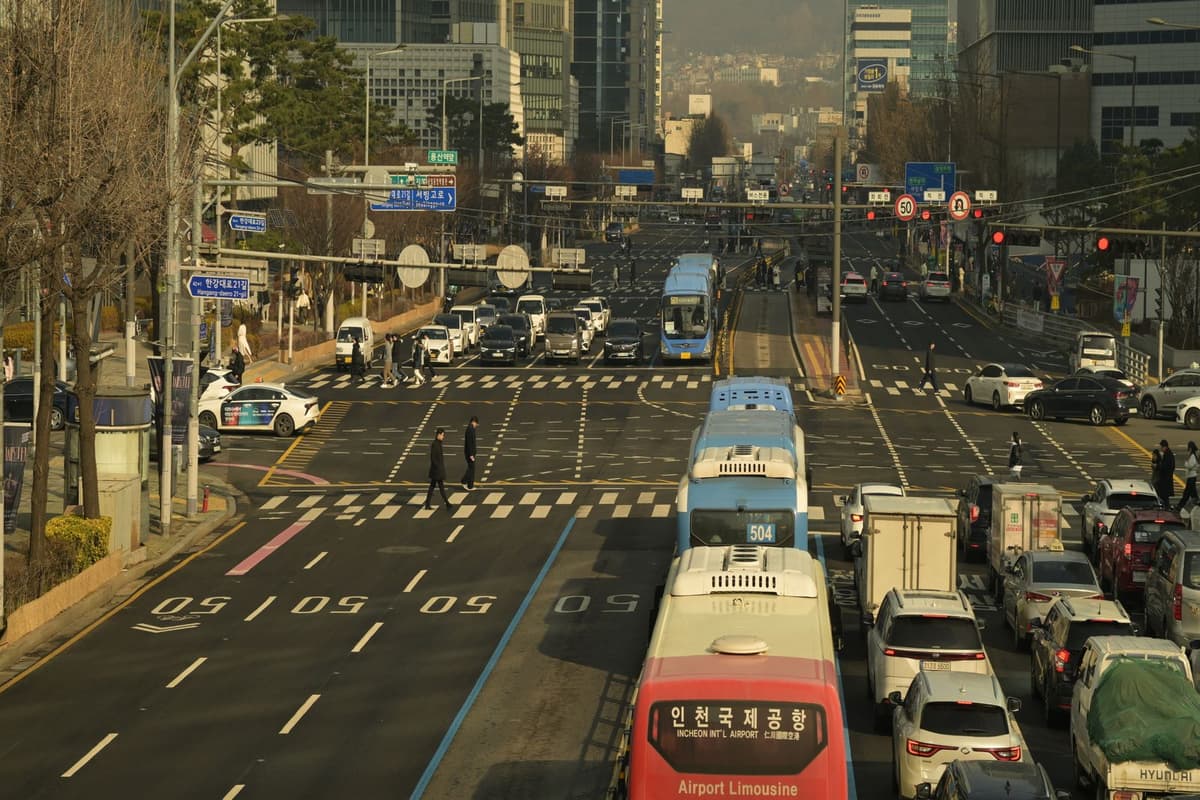
- Bus: Tap when you get on at the front, and tap again on the reader by the back door when you get off. This second tap is the one most newcomers skip.
- Transfers: If you tap out and then board another bus or subway within the transfer window (roughly 30 minutes during the day, longer late at night), you usually pay little or nothing extra. You can chain several transfers on one trip.
Here's the catch: if you don't tap out when leaving the bus, the system can't tell when your ride ended. You lose the transfer discount, and you may be charged the maximum distance fare. Two seconds of tapping saves you a full fare.
💡 Some Seoul bus routes no longer accept cash at all, so having a card isn't just cheaper, it's often the only option.
Charging your card and checking the balance
Topping up (충전, chungjeon) is quick, but there's one thing to know: most T-money top-ups are cash only. Foreign credit cards generally won't work at the charging machines.
- At the station: Look for the charging machines (교통카드 충전기) near the gates. Switch to English, place your card on the pad, choose an amount, insert your bills, and keep the card on the pad until it's done.
- At a convenience store: Hand over your card and cash and say "T-money charge, ₩10,000 please" (about $7.20). The staff will do the rest.
- Checking your balance: The reader shows your remaining balance every time you tap. Station machines will show it too if you place the card on them.
If your balance is too low, the gate will beep and won't open. Most cards won't let you go negative, so it's worth topping up before you're down to your last couple of thousand won, especially before a late-night ride home.
📍 Leaving Korea at the end of your semester? Small leftover balances can usually be refunded at participating convenience stores for a small fee, and larger amounts at T-money refund points. Rules change, so check before your last week.
Climate Card: is Seoul's unlimited pass worth it?
If you ride every day, look at Seoul's Climate Card (기후동행카드, gihu donghaeng card). It's an unlimited pass that covers 30 days from your first tap. When it launched, it cost around ₩62,000 (about $45) for transit only, or around ₩65,000 (about $47) with the Ttareungyi (따릉이) public bike included. There's also a cheaper youth option for younger adults. Check the official Seoul site for current prices and eligibility, as these can change.
What to know before you buy:
- It's mostly a Seoul pass. It covers Seoul city buses and subway lines within Seoul. Buses from other cities, airport buses and some wide-area routes aren't included, and getting off outside Seoul may cost extra.
- Physical or mobile. You can buy a physical card at subway stations and load the monthly pass at station machines. A mobile version exists, but it has been limited to certain phones, so check if yours is supported.
- It doesn't auto-renew like a subscription. You recharge it for the next 30 days yourself.
Quick math: does it pay off for you?
Here's a hypothetical example using basic fares. Say you're an intern commuting to the office and back on 22 working days a month. That's 44 rides. At ₩1,550 a ride, that's about ₩68,200 (about $49) a month. Add a few weekend trips and you're well above the pass price.
Now say you're a student living a 10-minute walk from campus who takes the subway maybe 15 times a month. That's about ₩23,000 (about $17). A regular T-money card is clearly the better choice.
💡 Simple rule: if you take public transit at least twice a day on most days and mostly stay inside Seoul, the Climate Card is worth a look. If you mostly walk, or you commute to Gyeonggi, stick with T-money and look at refund programs instead.
Other ways to cut your transit costs
- K-Pass (K-패스): A national program that gives back part of your fares if you ride a minimum number of times per month. It works with registered cards, and residents with an Alien Registration Card may be able to join. Rules for foreigners have been changing, so check the official K-Pass site.
- Korean bank cards with transit: Once you open a Korean bank account, many debit (체크카드) and credit cards come with a built-in transit function, so you pay later instead of topping up. No more searching for an ATM at 11 p.m.
- Ttareungyi bikes: Seoul's public bikes are great for short trips and riverside rides. Short passes are cheap, and the Climate Card bike option includes them.
- Walk a stop: Seoul stations are often close together. In good weather, walking one stop is free, and sometimes faster than transferring.
Common mistakes newcomers make
- Not tapping out on the bus. We'll say it one more time: this is the number one way to lose your transfer discount.
- Keeping two cards in one wallet. If your T-money and a transit-enabled bank card sit together, the reader may give an error or charge the wrong one. Tap with one card only.
- Tapping twice for a friend. On buses, you can tell the driver you're paying for more than one person before tapping, but on the subway each person needs their own card.
- Missing the last train. The subway stops running around midnight, depending on the line. Late-night "N" buses (owl buses) run on main routes after that. Check the time of your last train in a map app like Naver Map or KakaoMap.
- Using taxis as a backup without checking the time. Taxis accept T-money, but late-night surcharges add up fast. A single late taxi can cost more than a week of subway rides.
The biggest saving: where you live
Even the best transit card can't fix a commute with three transfers. When you're choosing a place in Seoul, the distance from your door to a subway line that goes straight to your school or office matters more than almost anything else. It saves money, but mostly it saves time and energy on cold winter mornings.
Before you sign anything, open the Homes in Korea map and filter listings near your campus or workplace, then check the route in Naver Map. For more guides on settling in, have a look at our blog.
Ready to cut your commute before you even buy a card? Find a home close to your line and spend less time and money getting around Seoul.