
The first cold snap hits, you crank up the floor heating, and everything feels wonderful. Then a month later a gas bill shows up and you're staring at a number much bigger than you expected. If that sounds familiar, you're not alone. Understanding your heating bill in Korea is one of the most useful skills you can pick up as a renter here, especially in a small one-room (원룸) where you control the boiler yourself.
This guide walks you through how ondol heating actually works, where the cost shows up, how to read a Korean gas bill, and what to do with that confusing boiler controller on your wall. We won't quote fixed prices, because rates change and every building is different, but by the end you'll know exactly what you're paying for and how to pay less.
How Heating Works in a Korean One-Room
Most Korean homes use ondol (온돌), underfloor heating. Instead of radiators or forced air, hot water circulates through pipes under your floor, and the warm floor slowly heats the room. That's why Koreans often sit, eat, and even sleep on the floor in winter. It's gentle, quiet, and very cozy, but it's also slow to warm up and slow to cool down, which matters a lot for your bill.
Where that hot water comes from depends on your building. There are three common setups:
💡 Not sure which one you have? Look for a boiler unit with a gas pipe connected to it, or simply ask your landlord or real estate agent: 'Is this 개별난방?' If you're still house hunting, it's worth asking before you sign, since it changes how your winter costs work.
Where Your Heating Cost Actually Shows Up
With individual heating, your heating cost lives inside your city gas bill (도시가스 요금). This bill covers everything that uses gas in your unit: floor heating, hot water for showers and dishes, and a gas stove if you have one. In winter, heating is usually the biggest part by far.
Gas is supplied by regional city gas companies, so the company name on your bill depends on where you live. In some officetels and newer buildings, gas is billed separately; in others, the building management office reads the meter and adds the gas cost to your management fee statement. Check your lease or ask the landlord which applies to you.
One thing that surprises many newcomers: there's often a billing lag. The bill you receive in a given month typically reflects usage from the previous meter-reading period. So the cold you lived through in early winter may not hit your wallet until weeks later, and your highest bill can arrive after the coldest weather is already over. Plan your budget with that delay in mind.
You can usually pay by giro slip (지로) at a bank or convenience store, through your banking app, or by setting up auto-debit (자동이체). Many gas companies also have apps or websites where you can view bills online once you register your customer number.
郵差先生 請撥 45巷 53號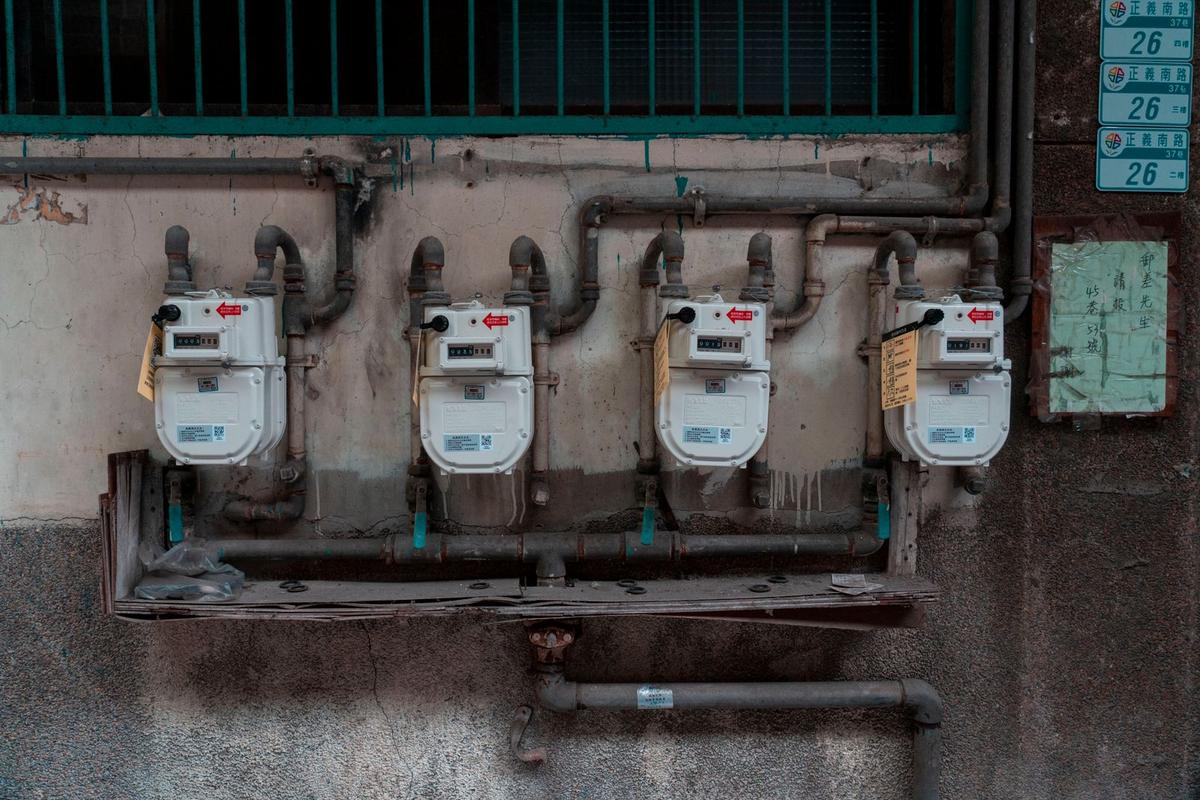
Address Floor 正義南路 37巷 26 四樓 正義南路 37巷 26 三樓 正義南路 37巷 26 二樓
How to Read a Korean Gas Bill, Line by Line
Your bill will be in Korean, but the key parts are easy to spot once you know the words. Here's what to look for:
Some buildings ask residents to do a self meter reading (자가검침), where you check the meter and report the number by app, text, or a form on your door. If you get a notice like this, don't ignore it. If no reading is submitted, the bill may be estimated, and you'll settle the difference later.
💡 Snap a photo of your gas meter at the start of each month. It takes five seconds and lets you see your real daily usage, which is the fastest way to learn which heating habits are costing you money.
Mastering the Boiler Controller on Your Wall
The small panel on your wall, the temperature controller (온도조절기), is where most of your bill is decided. Brands differ, but most have similar buttons. If the labels are only in Korean, translate them with your phone camera once and stick a small note next to each button.
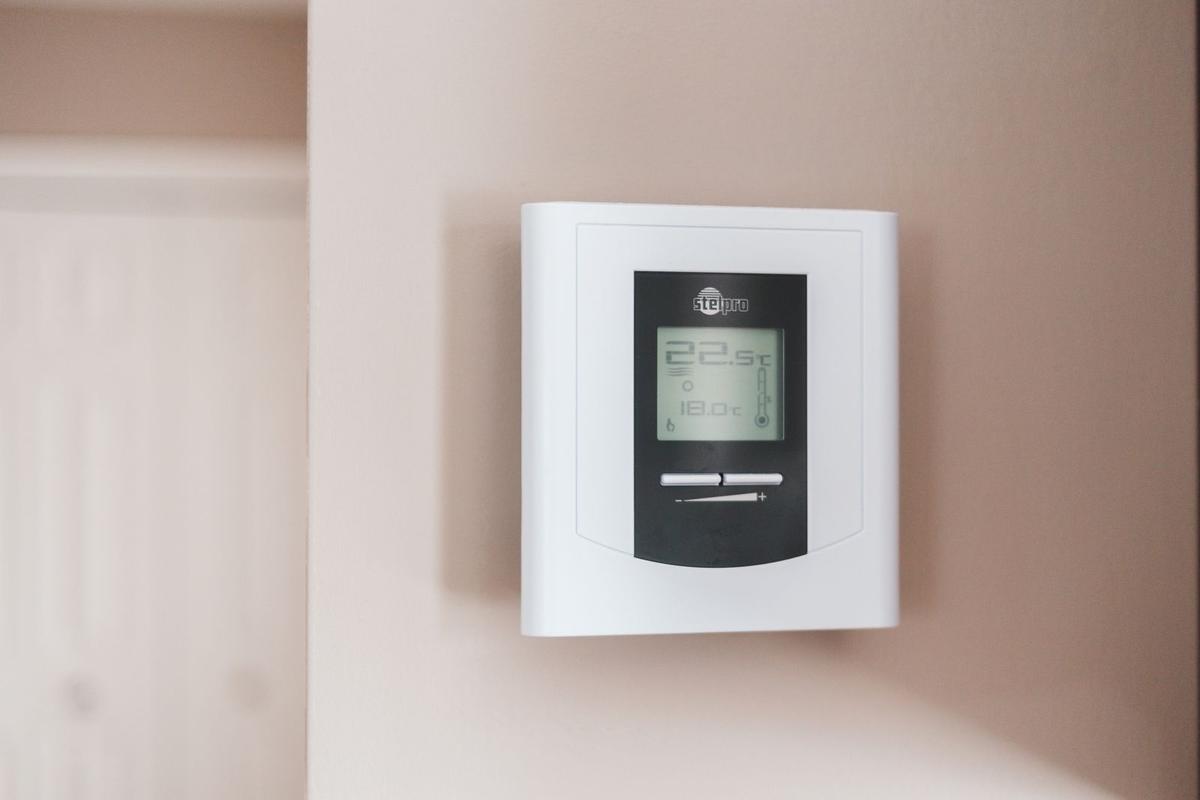
Common modes and what they do
Steady heat or on-and-off?
You'll hear strong opinions on this. Because ondol warms up slowly, heating a fully cold floor from scratch takes a lot of gas, so turning the boiler completely off every time you leave and blasting it when you return is often wasteful. On the other hand, running it high all day in an empty room clearly wastes gas too. For most one-rooms, a moderate steady setting or away mode while you're out, plus a slightly higher setting when you're home, is a sensible starting point. Test it for a couple of weeks, check your meter photos, and adjust.
Practical Ways to Save Without Freezing
Small changes add up, especially in a compact space. These are the habits that tend to make the biggest difference:

Avoid Surprises: Move-In Readings, Frozen Pipes, and Safety
A few winter problems have nothing to do with how warm you like your room, but they can still cost you money or cause trouble with your landlord.
📍 Tip for your first week: find the boiler, the gas meter, and the main gas valve before you need them. Our move-in guides on the Homes in Korea blog cover what else to check when you first get the keys.
Choosing a Warmer Home Next Time
The cheapest heating is the heat you don't lose. When you look at your next place, especially if you're viewing in summer, ask a few winter questions: Is it individual heating? Are the windows double-glazed? Which direction does the unit face? South-facing rooms tend to get more winter sunlight, while corner units and top floors can lose more heat. You can also politely ask the landlord or agent what previous tenants typically paid in winter. The answer won't be exact, but it gives you a ballpark to budget around.
Once you know how ondol, the controller, and the bill fit together, winter in a Korean one-room becomes genuinely pleasant: warm floors, a predictable bill, and no nasty surprises in your mailbox.
Looking for a cozy, well-insulated place before the cold sets in? Browse listings with heating details on our map. Find a home
Follow @host_in_korea on Instagram for faster updates