
Korea Monsoon 2026: A Practical Living Guide
Jun 12, 2026
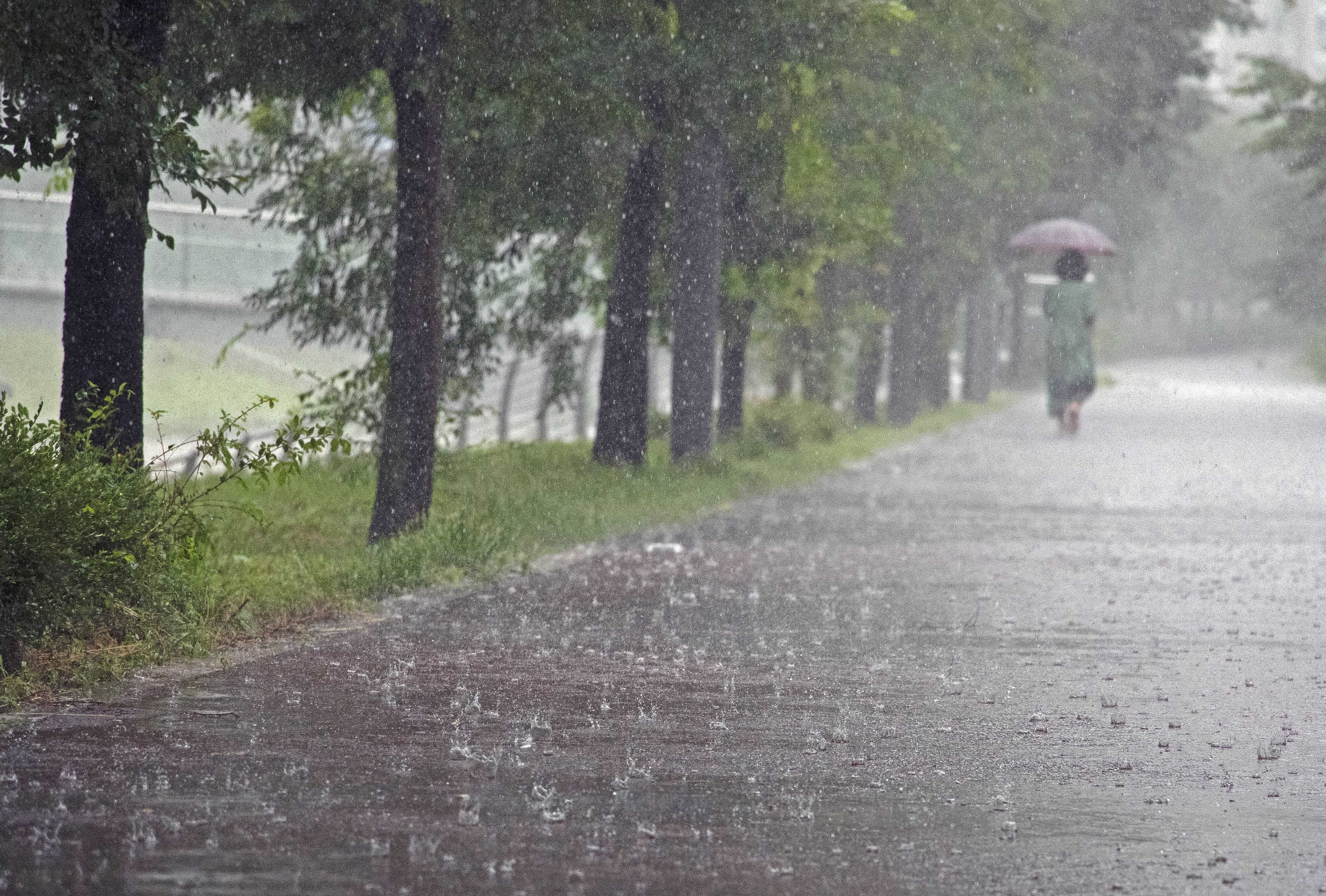
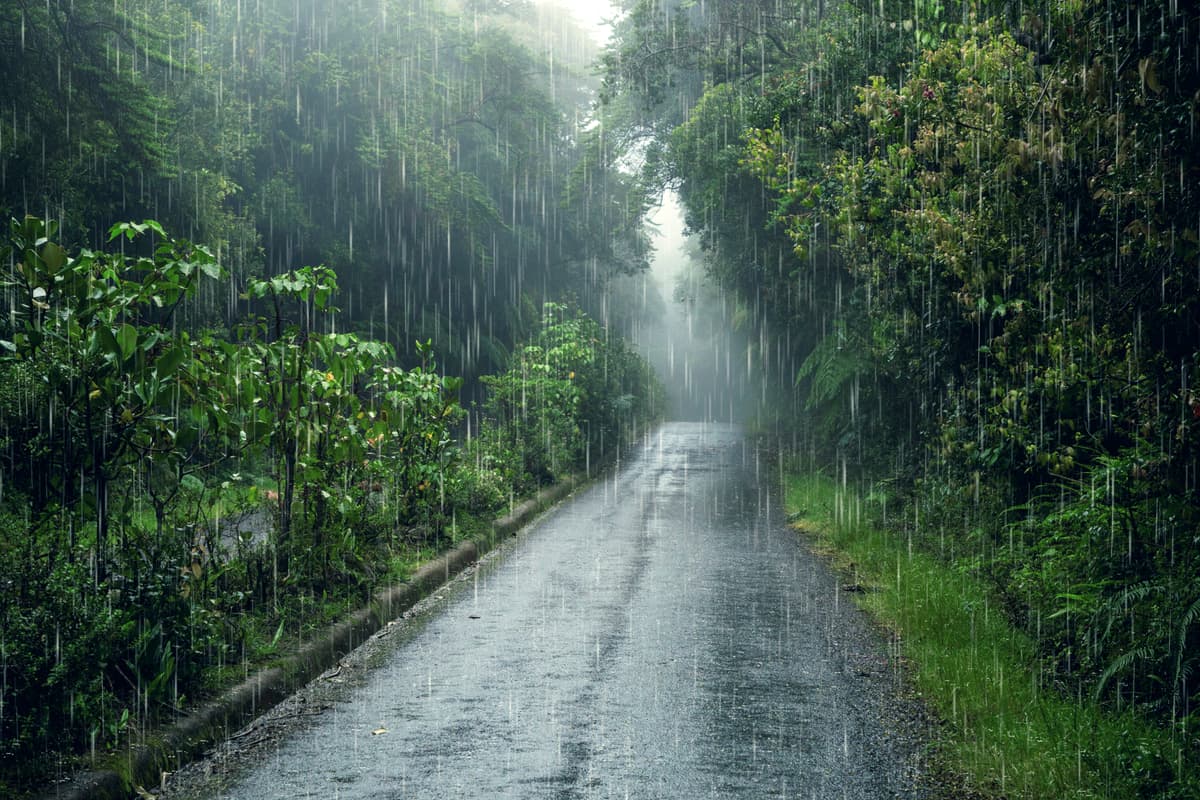
Your first June in Korea may catch you off guard. One day the sky suddenly turns heavy, and torrential downpours come and go several times a day. This is the Korea monsoon—known locally as jangma—a month-long stretch of intense rainfall.
It's not just "a rainy season." Laundry won't dry for three days straight, shoes get soaked daily, and your phone suddenly blares emergency alerts. This guide covers what to buy and where, how to keep daily life running smoothly, and what to do when typhoons hit—all from a resident's perspective.
Understanding the Korea Monsoon
What is Jangma?
In Korea, the monsoon season typically begins between June 19–25 and ends around July 20.
Over these 3–4 weeks, Korea receives 30–50% of its annual rainfall.
According to the Korea Meteorological Administration (KMA), jangma forms when warm, humid air from the North Pacific High meets cold, dry air from the north over the Korean Peninsula, creating a stationary front.
📍 Official forecast: KMA English Site
The KMA officially declares the "start of jangma" around mid-June, so it's worth checking the forecast from the first week of June.
How Korea Monsoon Differs from Other Rainy Seasons
If you're imagining a Southeast Asian rainy season—where it drizzles all day long—you'll be surprised.
Korea's monsoon rain is squall-like.
It can be perfectly clear in the morning, pour down at lunchtime, and be sunny again 30 minutes later.
Because of this pattern, there's a common mistake residents make during monsoon season.
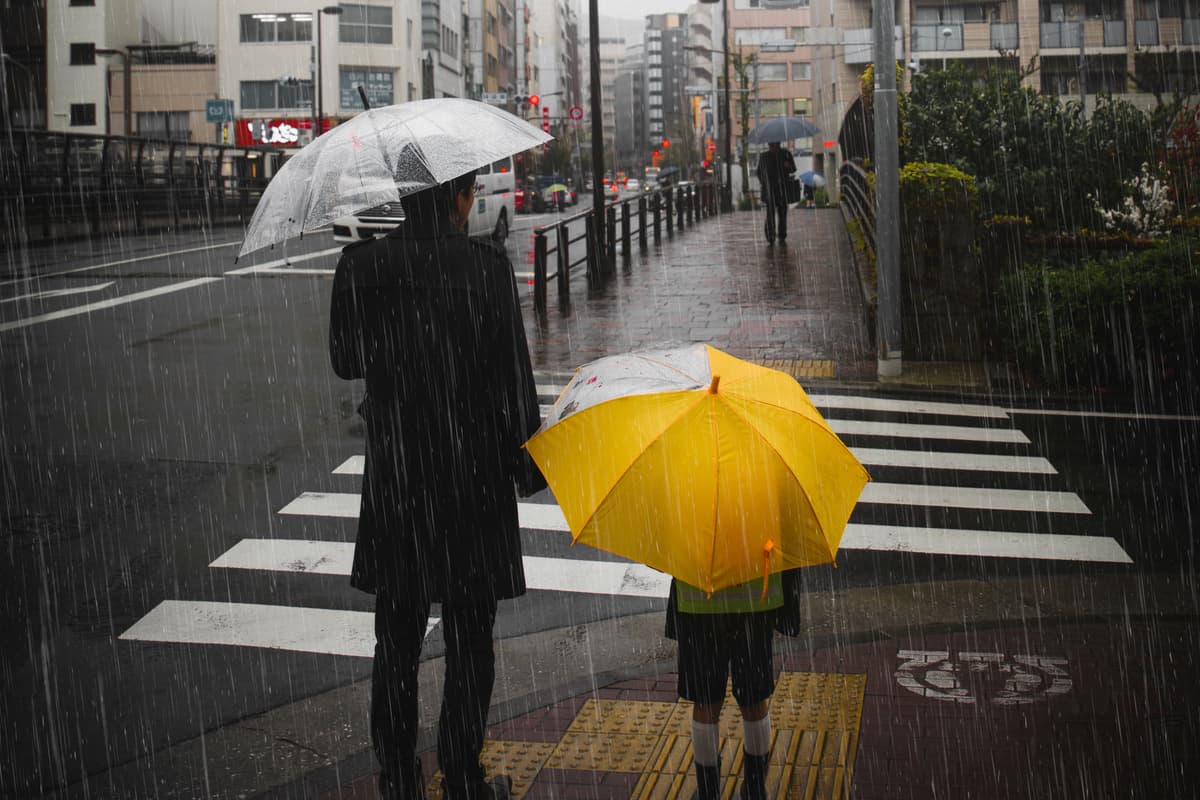
You step out without an umbrella thinking "it's not raining today," and end up caught in a downpour at lunch.
That's why keeping an umbrella in your bag at all times is essential during jangma.
💡 TIP: Check the hourly precipitation forecast on a Korean weather app before heading out.
How Monsoon Patterns Are Changing
In recent years, Korea's monsoon has been departing from its traditional form.
In June 2026, the Korean Meteorological Society announced that it has begun discussions to redefine what constitutes a monsoon season.
The reason is simple. Jangma is no longer "steady rain over a month"—it's becoming "short, intense bursts of localized heavy rain."
Recent monsoon seasons have shown the following patterns:
① Heavy rain in Gangnam but sunny in Gangbuk on the same day in Seoul — very localized downpours
② Heavy rain returning in August even after jangma is officially over — what people call the "second monsoon"
③ More frequent extreme rainfall, with hourly precipitation reaching 50–100mm or more
So rather than assuming "monsoon is over, we're fine," it's wise to keep checking the daily forecast through late August.
How to Handle the Rain and Humidity
Where to Buy Umbrellas — Convenience Stores and Daiso
When you're suddenly caught in the rain, the fastest place to grab an umbrella is a convenience store.
24-hour convenience stores on every block sell vinyl umbrellas in the 3,000–5,000 KRW range.
They're not great in strong winds, but they're the most reliable quick option.
For something sturdier, Daiso (Korea's leading discount variety store) is a great choice.
A 5,000 KRW folding umbrella often comes with auto-open/close functionality and excellent value.
These sell out fast in monsoon season, so it's worth buying one in early June.
📍 Convenience stores: Vinyl umbrellas 3,000–5,000 KRW, available 24/7
📍 Daiso: Folding auto-umbrella around 5,000 KRW, long umbrella around 3,000 KRW
💡 TIP: Koreans joke that umbrellas are "the most commonly lost item on the subway." Rather than investing in one expensive umbrella, keeping 2–3 inexpensive ones around tends to be more practical.
Curious about other budget-friendly Korean stores worth knowing?
Check out our guide on Convenience Stores, Daiso, and H&B Stores in Korea.
Waterproof Shoes and Wet Foot Solutions
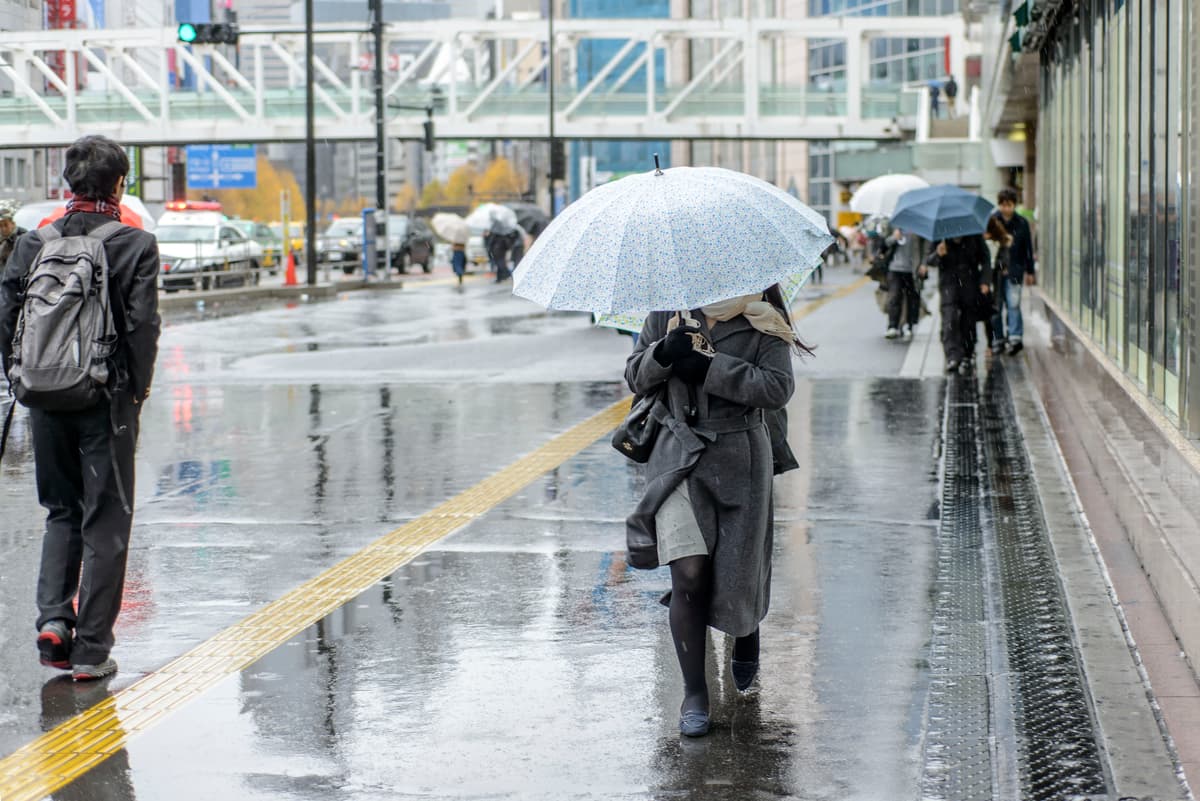
Once your shoes get soaked during monsoon season, they don't dry easily.
The lingering moisture can also lead to mold or unpleasant foot odor.
Three ways to handle this:
① Apply waterproof spray in advance
Available at Daiso or H&B stores for 3,000–10,000 KRW. Spray your sneakers the night before going out, and they'll repel water reasonably well.
② Pack a backup pair of slippers or sandals
Keeping slippers in your bag to change into at the office or school is a common monsoon-season habit among Korean workers.
③ Use newspaper for emergency drying
Stuff crumpled newspaper inside wet shoes overnight, and they'll be about half dry by morning. If you don't have newspaper, paper towels work too.
💡 TIP: Leather shoes can be ruined by a single heavy rain. During jangma, switching to canvas sneakers or synthetic materials is much safer.
Doing Laundry During Monsoon Season
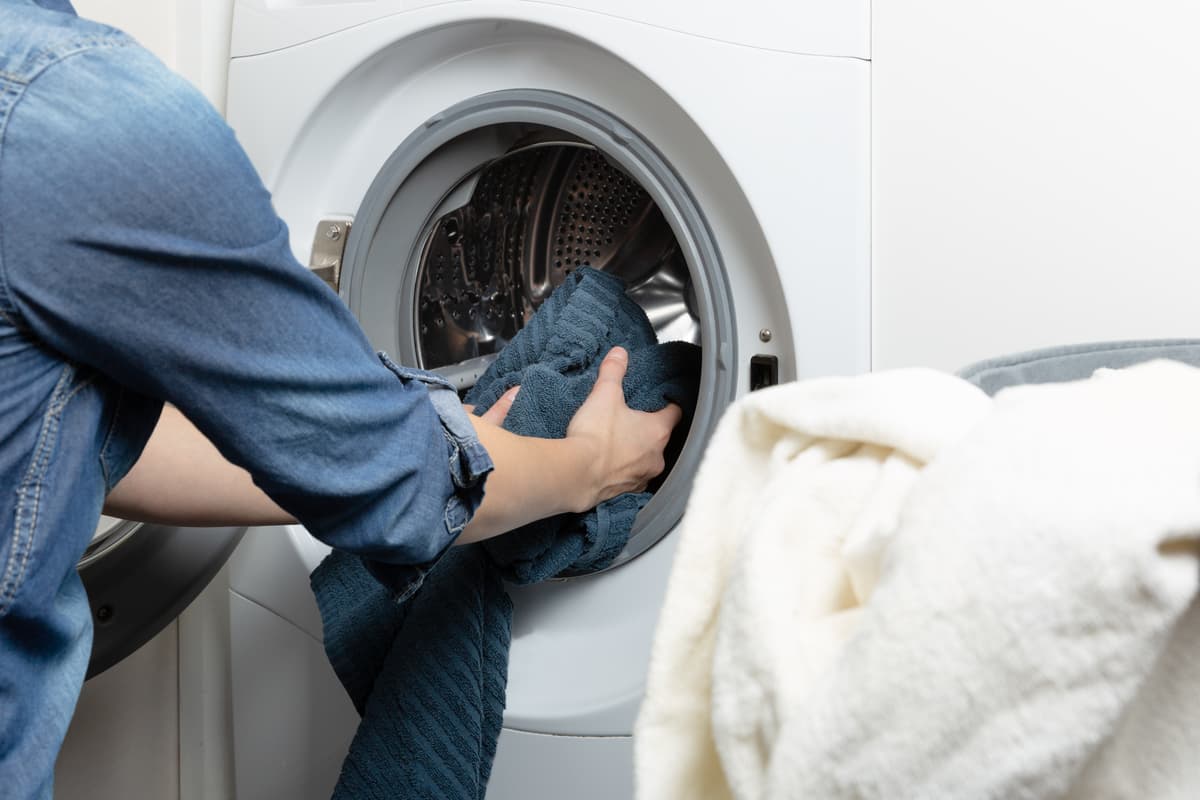
Laundry is the single biggest headache for residents during jangma.
On days when humidity hits 80–90%, clothes won't dry even after three days—and sometimes, even "dry" laundry develops a sour, musty smell.
Three coping strategies:
① Indoor drying with a fan or air conditioner
Pointing a fan directly at hanging laundry cuts drying time in half. Using your air conditioner's dry mode at the same time makes it even more effective.
② Use a coin laundry (ppalraebang)
24-hour self-service laundromats are common in residential areas. A single dryer cycle costs about 3,000–5,000 KRW and finishes in 30 minutes to an hour. For bulky items like blankets or towels, coin laundry dryers are the most efficient option.
③ Switch to antibacterial detergent and fabric softener
Korean supermarkets stock special monsoon-season detergents and softeners marketed for their antibacterial and deodorizing features. If your laundry frequently smells sour, switching to these products is worth a try.
💡 TIP: Hang laundry with at least a hand-width of space between each item. Pack them too tightly and only the outer layer will dry while the inside stays damp for days.
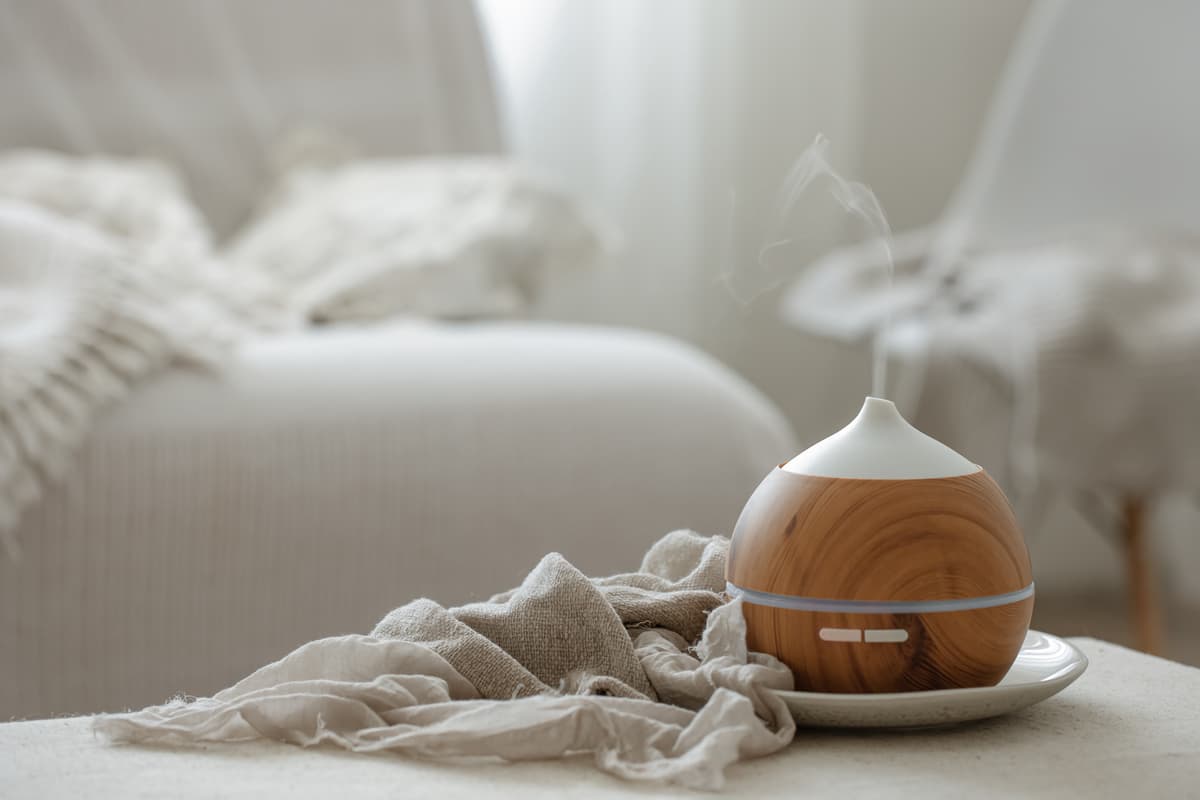
Managing Indoor Humidity
Once indoor humidity exceeds 70%, mold spreads quickly through your wardrobe, shoe rack, and even mattress. Korean residents typically combine three tools:
Dehumidifier (jejeupgi)
Available at home appliance stores or online shopping malls.
A 10-liter unit is sufficient for a one- or two-bedroom apartment, with prices typically ranging from 300,000–500,000 KRW.
Running it 4–6 hours a day adds roughly 10,000–30,000 KRW to your monthly electricity bill.
Moisture absorber (jejeupje)
Single-use moisture absorbers cost 1,000–3,000 KRW at Daiso or supermarkets.
Both stick-type and box-type work well placed in wardrobes, shoe racks, or bathroom corners, absorbing moisture for 1–2 months.
Air conditioner dry mode
Most Korean home air conditioners have a "dehumidify" or "dry" mode.
It uses less electricity than the cooling mode while keeping the room temperature steady and pulling humidity out.
Running dry mode for 2–3 hours before sleep keeps the room comfortable until morning.
💡 TIP: Once mold sets in, it's very hard to remove. Wardrobes and shoe racks with open space have better airflow, so spacing out your clothes and shoes during monsoon season helps prevent mold from taking hold.
Typhoons and Flooding — Preparing for Monsoon Emergencies
Understanding Korea's Emergency Alert System
One of the first things to startle newcomers in Korea during monsoon season is the sudden, loud siren-like alarm from their phone.
This is the emergency alert text.
Korea's Ministry of the Interior and Safety automatically sends these alerts to everyone in an affected area during heavy rain, typhoons, landslides, and other emergencies.
The messages are usually in Korean, but some phones support English alerts.
Here's how to set it up:
- iPhone: Settings → Notifications → Government Alerts
- Android (Samsung): Settings → Safety and Emergency → Wireless Emergency Alerts
Some phone models don't offer English alerts.
In that case, the fastest method is to translate the Korean message instantly using your phone's built-in translation feature (such as iPhone Text Translation or Google Translate Camera).
The Ministry of the Interior and Safety's National Disaster Safety Portal and "Emergency Ready App" both offer English-language services, so it's worth installing them before monsoon season begins.
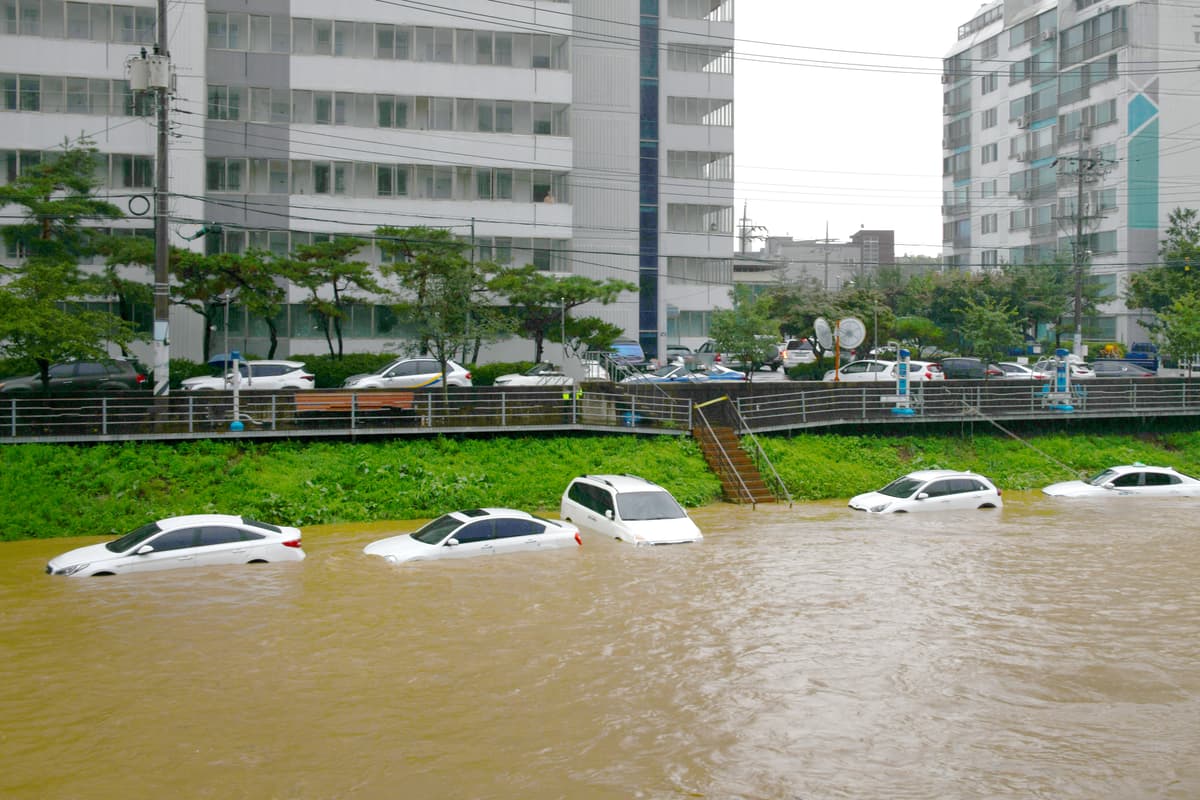
Flood-Risk Areas and Banjiha Safety Tips
Korea has a unique type of housing called banjiha (semi-basement).
These units sit half below ground level. The lower rent makes them attractive, but the flood risk during monsoon season is significantly higher.
After the heavy 2022 floods in Seoul's Gangnam area caused major banjiha flooding incidents, the government has been publishing maps of flood-risk zones.
If you live in a banjiha or low-lying area, check the following in advance:
① Locate sandbags and flood barriers
Some local district offices distribute them for free. Ask at your neighborhood community service center (dong office) for guidance.
② Evacuate to higher floors immediately when flooding occurs
Once water reaches knee height, water pressure can make doors impossible to open. As soon as it reaches your ankles, don't hesitate—move to an upper floor or higher ground nearby.
③ Know where your circuit breaker is
Cutting power immediately during flooding helps prevent electrical accidents.
💡 TIP: Check flood-risk zones in advance at the National Disaster Safety Portal.
What to Do When a Typhoon Is Forecast
Korea's typhoon season typically runs from late July through September.
Since the first typhoons begin affecting the peninsula just as jangma is ending, monsoon and typhoon seasons are essentially connected.
When a typhoon is forecast, check the following:
① Secure balconies and windows
Bring plants, drying racks, chairs, and anything else that could blow away indoors. Rather than the traditional method of taping an X across windows, wedging newspaper or paper between window frames to reduce vibration is reportedly more effective.
② Avoid going outside
When wind speeds exceed 60 km/h, umbrellas flip inside out and signs can fall from buildings. When a typhoon warning is issued, stay home if at all possible.
③ Stock water, snacks, and charge your devices
Typhoons can cause power outages. Keep 2–3 liters of bottled water, instant noodles or bread for emergencies, and a fully charged power bank on hand.
📍 Real-time typhoon updates: KMA Typhoon Information
Korea's monsoon may only last a month, but it can feel disruptive the first time you go through it.
Grab an umbrella and slippers, tuck a moisture absorber into your closet, and set up your emergency alerts just once—and most of the inconveniences become manageable.
Rather than just enduring the rain, try to embrace it as one of Korea's distinctive seasons.
A warm bowl of kalguksu (Korean knife-cut noodle soup) enjoyed to the sound of rain might just become one of your favorite memories of living here.
